Introduction
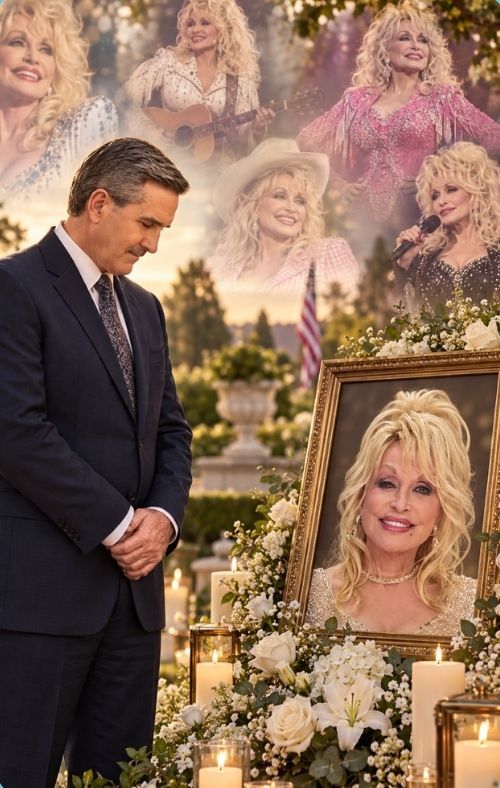
Few performers understand the enduring power of a heartfelt song quite like Daniel O’Donnell. Throughout his long career, the beloved Irish singer has built a special relationship with audiences by choosing music that speaks plainly about home, faith, family, loyalty, and the passage of time. His gentle delivery has never depended upon dramatic gestures. Instead, he approaches each lyric as though he were sharing an old memory across the kitchen table. That quality makes Daniel O’Donnell revisiting the musical legacy of Dolly Parton feel less like an ordinary tribute and more like a deeply personal conversation between two remarkable musical traditions.
The songs of Dolly Parton have traveled far beyond the mountains of Tennessee. They have been heard in grand concert halls, country churches, small community theaters, family living rooms, and quiet places where listeners turn to music for comfort. Her writing possesses a rare balance of honesty and imagination. She can describe poverty without removing dignity, heartbreak without surrendering hope, and ambition without forgetting the importance of kindness. Songs such as “Coat of Many Colors,” “Jolene,” “Here You Come Again,” and “I Will Always Love You” became classics because their emotional truths remain recognizable across cultures and generations.
In Daniel’s hands, this celebrated catalogue takes on a different shade. His unmistakable Irish warmth softens the edges of each melody while preserving its original emotional character. He does not attempt to imitate Dolly’s voice or recreate her performances note for note. Instead, he brings his own life experience to the material, allowing familiar lyrics to breathe in a fresh and thoughtful way. His approach reminds us that a truly great song does not belong exclusively to one era, one country, or even one performer. It continues to grow whenever another sincere voice carries it forward.
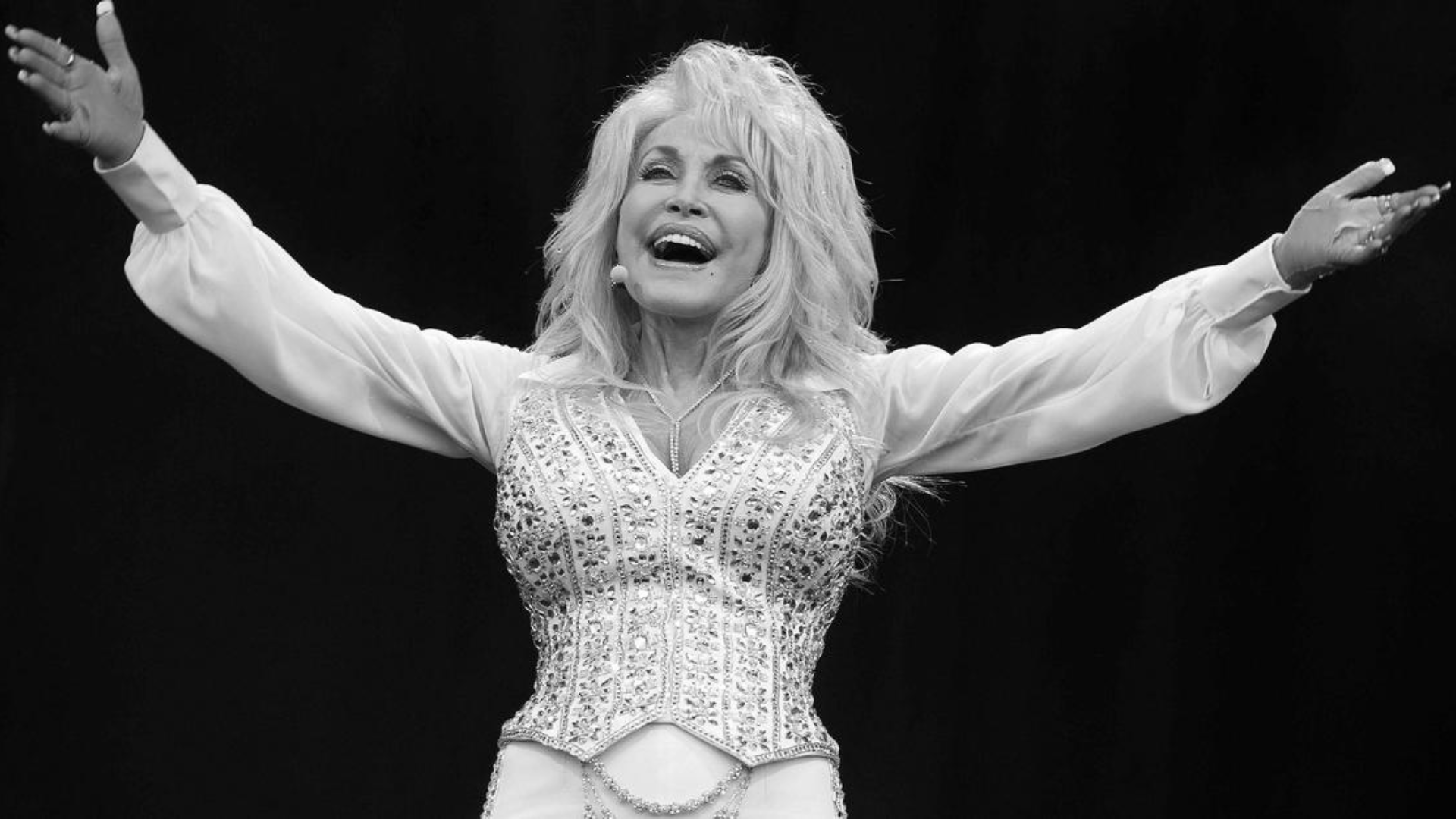
There is also a natural connection between Irish storytelling and American country music. Both traditions value memorable characters, ordinary struggles, family histories, rural landscapes, and melodies that can be carried from one generation to the next. Dolly often writes with the vivid detail of a gifted short-story author, while Daniel sings with the patience of someone who understands that every word deserves to be heard. When these two musical sensibilities meet, the result feels both familiar and newly discovered.
For older listeners especially, this journey may awaken powerful memories. A single melody can bring back the room where a record was first played, the person who once sang along, or a season of life that seemed forgotten. Daniel’s respectful interpretations invite audiences to slow down and listen again—not merely to the famous choruses, but to the wisdom hidden within the verses. His calm phrasing gives the stories space, while his emotional restraint allows the listener’s own memories to complete them.
Yet this celebration is about more than nostalgia. Dolly Parton’s musical legacy remains important because her songs continue to offer courage, compassion, humor, and hope. Beneath the sparkling costumes and instantly recognizable public image stands a disciplined songwriter who transformed personal experience into universal art. Daniel recognizes that substance. His tribute draws attention back to the craftsmanship: the careful language, graceful melodies, and profound understanding of human nature.
Ultimately, Daniel O’Donnell revisits the musical legacy of Dolly Parton as both an admirer and a fellow storyteller. His voice carries these songs across the Atlantic and into another chapter, proving that sincere music never truly grows old. It waits patiently for someone to sing it again—and for another listener to discover that a familiar song can still reveal something new.