Introduction
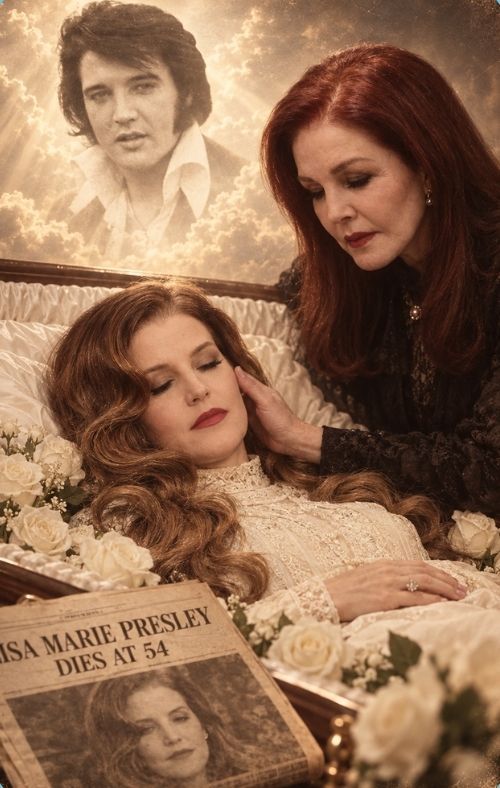
NEW PRESLEY FAMILY BOMBSHELL ROCKS HOLLYWOOD is the kind of headline that travels quickly. The story behind it requires a slower reading. A real legal dispute involving Priscilla Presley and two former business associates has brought the family back into the news. But a claim appearing in a lawsuit is an allegation, not an established fact.
The business dispute centers on Priscilla’s working relationship with Brigitte Kruse and Kevin Fialko. In 2024, Priscilla sued them, alleging financial elder abuse and saying they had gained improper control over parts of her affairs. In 2025, Kruse and Fialko filed their own lawsuit in Los Angeles Superior Court, seeking more than $50 million and accusing her of fraud and breach of contract. Both sides contest the other’s account.
That conflict has drawn renewed attention to an earlier family matter. After Lisa Marie Presley died in January 2023, a dispute arose over an amendment to her trust. Priscilla and her granddaughter Riley Keough later reached a settlement. The former business associates have made claims about their role in that agreement, but their description of family motives should not be treated as a finding by the court. Priscilla and Riley have publicly rejected allegations about the family that emerged from the broader litigation, describing them as untrue and hurtful.
It is easy to see why the case attracts attention. The Presley name connects a private family history to a public musical legacy. Elvis Presley remains a commanding presence in popular music, with recordings that moved among rock and roll, country, blues and gospel. Lisa Marie was a recording artist in her own right, as well as her father’s only child. When their names appear in court coverage, readers bring decades of memories to the story—songs heard at home, televised performances, and the enduring image of Graceland.
That emotional connection also makes careful language necessary. A legal filing can show what one party has alleged. It cannot, by itself, prove why someone acted, settle a disputed family conversation or reveal everything that happened in private. Headlines that promise a final answer may suggest far more certainty than the available evidence allows.
The meaningful question is therefore not whether another startling accusation will appear online. It is what the parties can substantiate as the cases proceed. For readers who have followed this family through years of music, loss and public scrutiny, patience may be the fairest response. The Presley legacy deserves close attention—and the people connected to it deserve a distinction between documented events, contested claims and speculation.