Introduction
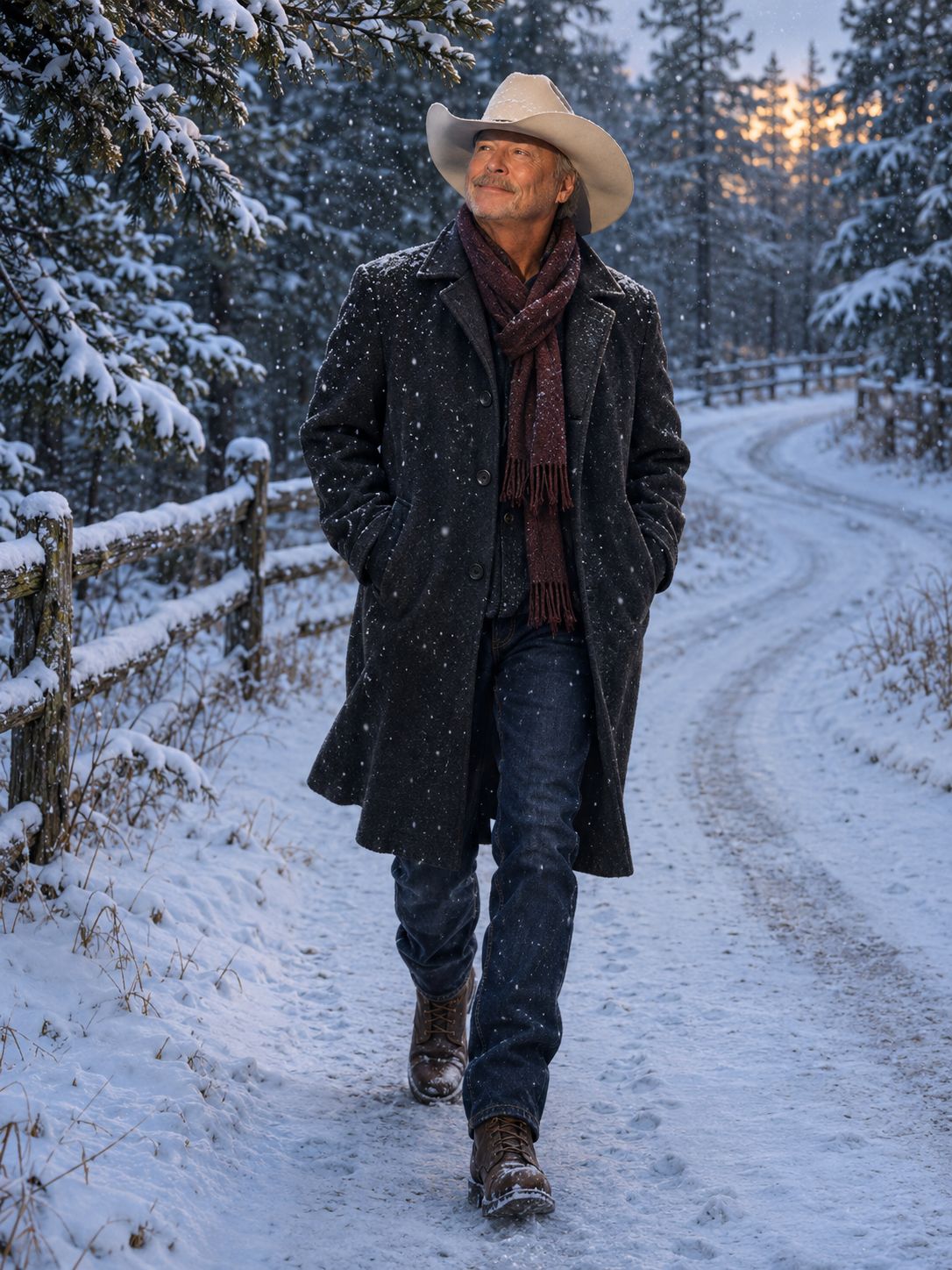
If one day the world no longer has Alan Jackson, I wonder which song people would reach for first. Some would put on “Chattahoochee” and remember a summer when a full tank of gas and an afternoon with friends felt like all the plans they needed. Others might choose “Remember When” and think of the person who sat beside them through the years that song seems to gather into a few minutes. The two records could hardly feel more different, yet both show what Jackson does especially well. He sings about familiar things in a way that makes us notice what they meant to us.
On “Chattahoochee,” the fiddle and the quick rhythm do much of the storytelling. The music has the restless energy of young people with time to spare, and Jackson’s delivery carries the amusement of someone who can now laugh at how much he thought he knew. That second feeling gives the song its staying power. You can enjoy it for the sound alone, then hear it years later and find yourself thinking about an old friend you haven’t called in too long. The performance makes room for both responses.
“Remember When” asks for a different kind of listening. Jackson takes his time with the words, and the pauses leave space for details from our own lives. A song about a marriage can easily dwell on anniversaries and milestones. What stays with me here is the attention he gives to ordinary life between those occasions. Anyone who has sorted through a drawer of family photographs knows how that feels. The picture that holds you longest may be one somebody took in the kitchen on an afternoon nobody thought to write down.
That same restraint serves him on “Where Were You (When the World Stopped Turning).” Listen to the way he lets one question follow another. The melody holds them together, and his voice gives each one about as much weight as it would have in conversation. That is an unusually effective choice for a song about a day people remember so vividly and so differently. Some listeners recall the television in a break room. Others remember the telephone ringing at home. Jackson’s questions give those different memories somewhere to meet.

Then there is “Drive (For Daddy Gene),” where the pleasure lies in hearing a father hand over the controls and trust a child to take a turn. Later in the song, the child has grown up and is doing the same for his own children. Jackson’s voice brightens at the memory, and a listener can hear how proud he still sounds of being allowed to try. An entire relationship comes through in that small act of trust. It may send you back to the first person who let you steer a boat or back a truck down a driveway.
I think I’d reach for “Drive” first. There’s something generous about a song that can bring back the way somebody taught you to do a small thing, then make you want to tell that story to someone younger. Jackson gives the memory enough detail to make it his own and sings it plainly enough that you can hear your own family in it. That’s a good reason to put the record on today, especially if there’s someone nearby who’s never heard you tell the story.