Introduction
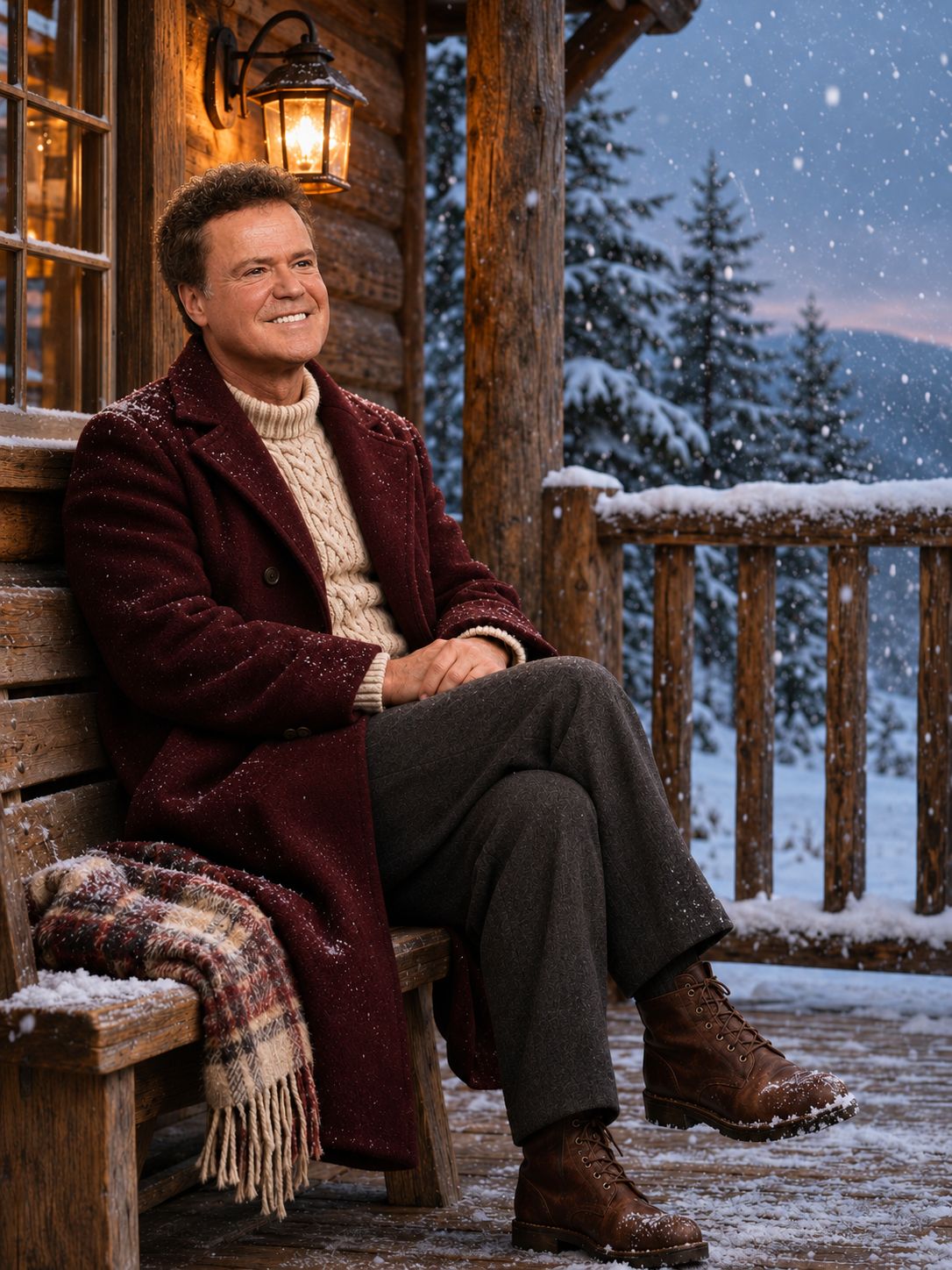
If one day the world no longer has Donny Osmond, which song would you reach for first? For some listeners, it would be “Puppy Love,” with its earnest young voice taking every word to heart. Others might choose “Soldier of Love,” the record that made people who remembered the teenage idol listen to him afresh. And for anyone who grew up watching Donny and Marie, the first memory might be the way the two could tease each other on television and then slip easily into a harmony. It’s a question about the music we keep and why, after all these years, a particular voice can still bring a room or a face to mind.
Listen again to “Puppy Love” and notice how seriously Osmond sings it. The melody has a sweetness that might tempt an older listener to smile at the intensity of a first crush. His performance gives that feeling its full weight. He lets the phrases rise openly, and there’s a youthful insistence in the way he leans into the words. That sincerity is part of the record’s staying power. Plenty of people who heard it on the radio have grandchildren now. They can still recognize the feeling of being young and wishing someone would take their heartache seriously.
Then put on “Soldier of Love.” The beat is firmer, the vocal sits deeper in the arrangement, and Osmond’s clipped phrasing gives the song much of its momentum. There’s pleasure in hearing a singer once known for stretching out a tender melody work against a tight rhythm. You can still hear the clarity that made the younger Donny recognizable, especially in the way he shapes a line so it comes through a busy production. The two records make a rewarding pair because you can hear how a familiar voice learned to serve a different kind of song.
A third choice would be “Close Every Door,” from Joseph and the Amazing Technicolor Dreamcoat. Here, the drama comes from hearing one voice carry a character’s isolation. Osmond gives the quieter lines room to settle, so the fuller sound later in the song feels earned. That patience is easy to overlook in a performer associated with bright lights and quick exchanges. Onstage, he could hold an audience through the simple act of letting a phrase finish before asking it to hear the next one.
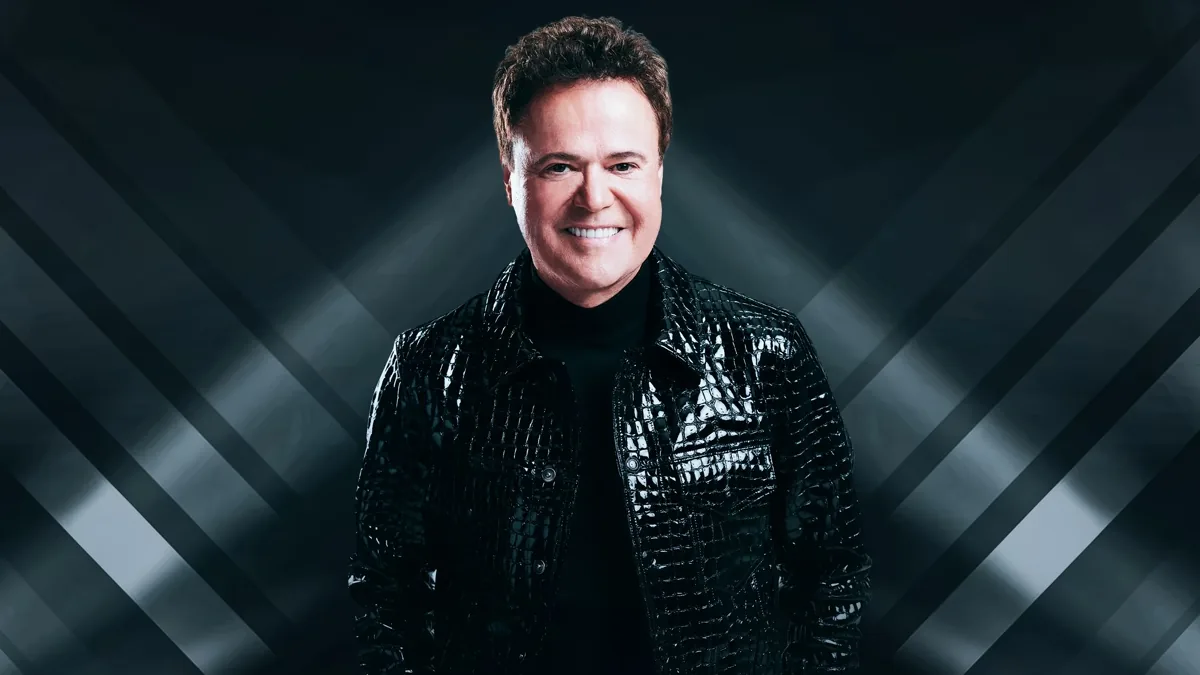
And then there is Marie Osmond. Their duets bring out something you hear less often in Donny’s solo work. He listens closely to where her phrases land, and the back-and-forth has the ease of two people accustomed to sharing the same space. For some families, the memory of that sound is also the memory of when they heard it. The television was on, the chores were mostly done, and people who had spent the day doing different things sat down together for a while.
My first choice would still be “Puppy Love.” After hearing what Donny Osmond could do with a harder beat, a theater ballad, or a beautifully matched harmony, there’s something especially moving about returning to that young voice. You can hear how much the song matters to him. And if you remember where you were when you first heard it, you may find yourself thinking about how much it mattered to you, too.