Introduction
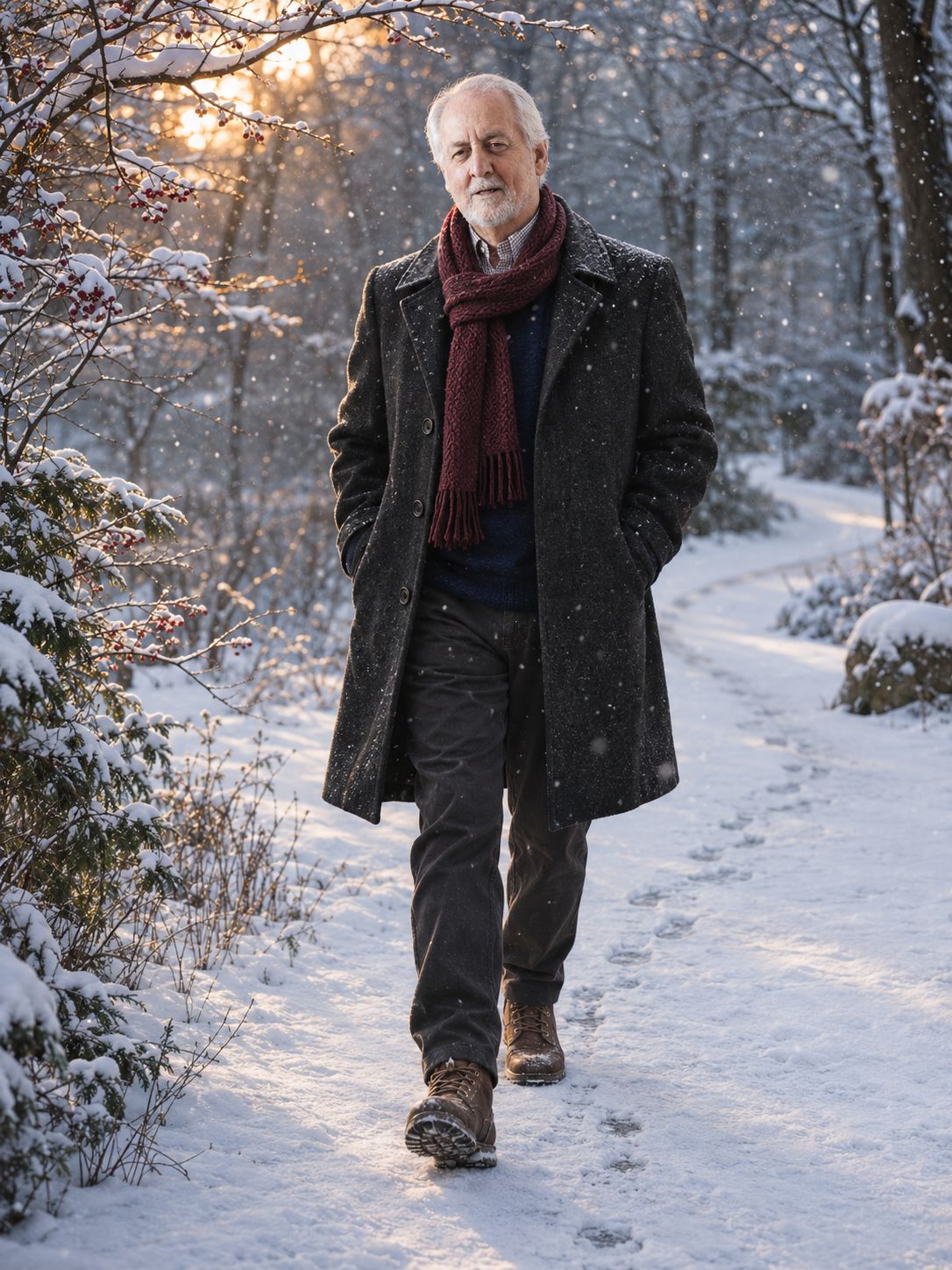
There may come a day when we put on a Statler Brothers record and listen for Don Reid before anyone else. We may have heard the song for forty years, sung along without thinking, and known precisely where the harmony would come in. Yet on that particular day, a small detail might stop us. It could be the way Reid lets a plainspoken line settle before the next voice enters, or the faint suggestion of a smile in a passage we always took seriously. If one day the world no longer has Don Reid, those are the things we may find ourselves listening for. They are also worth hearing now, while we have the pleasure of going back to the records and discovering how much care went into making them sound so easy.
Reid’s work with The Statler Brothers shows what a lead singer can do when he trusts the other voices around him. His phrasing gives the listener a clear path through the story, even when the harmonies grow full enough to command attention of their own. Listen to “Do You Remember These?” and notice how readily the words reach you. The references come quickly, like memories traded across a kitchen table. A lesser performance might make the song feel like a list of old things. The Statlers give each recollection just enough room to register, and the pleasure of remembering becomes something the whole group seems to share. Even if you grew up with a different set of familiar sights and sounds, you recognize the impulse to ask somebody else, “Do you remember that, too?”
There is a quieter kind of storytelling in “Pictures.” A family photograph can bring back the person in it, the house where it was taken, and the version of yourself who stood just outside the frame. The Statlers understand how quickly those feelings can arrive. Their singing leaves room for the listener to supply a picture of their own. After years of hearing a song like this, you may find that the performance has become part of the memory itself. The place where you first heard it, or the person who used to play it, comes to mind alongside the story the group is telling.
That generosity carries into the group’s gospel music. On “The Fourth Man,” the story moves with a lively pace, and the voices give the familiar account of faith under pressure the urgency of something unfolding in front of us. The same ensemble that can make an audience laugh knows how to convey the gravity of a Bible story. Over the course of an evening with their records, that range feels quite natural. Humor, faith, and the ache of remembering often sit close together in ordinary life. The Statlers understood how to let them share a program, and Reid’s ease with a good story helped hold it all together.
The thought of someday missing Don Reid sends me back to a particular pleasure of those recordings. A line begins in one man’s voice, the others come in, and a thought that seemed private suddenly belongs to everybody singing. People who grew up with the Statlers may hear something of their own households in that sound. All these years later, there can still be a surprise in putting on a familiar record and noticing exactly when the song becomes a conversation. Often it begins with Reid, who knew how to say a line so simply that you were already leaning in by the time the others answered.