Introduction

Some records announce themselves with thunder. Others win us over with a rhythm so inviting that, before we realize it, we are tapping our feet and smiling at a memory. “Don’t Be Cruel”, recorded by Elvis Presley in 1956, belongs to that second category. Its appeal begins with an easygoing beat, but its lasting charm comes from something more personal: a young singer making a heartfelt plea sound both vulnerable and wonderfully confident.
For listeners who remember the arrival of Elvis, this song can bring back the atmosphere of an entire era. There were radios playing in family kitchens, jukeboxes glowing in neighborhood gathering places, and a new sound moving through American life. Yet even for someone encountering the recording decades later, its warmth remains immediate. You do not need to have lived through the 1950s to understand the simple human feeling at its center—the hope that someone you care about will treat your heart kindly.
Written by Otis Blackwell, “Don’t Be Cruel” offered Elvis an ideal setting for his distinctive musical instincts. The melody is approachable, the language direct, and the arrangement remarkably economical. Nothing feels crowded. Instead, the recording gives the voice and rhythm enough room to create their own conversation.
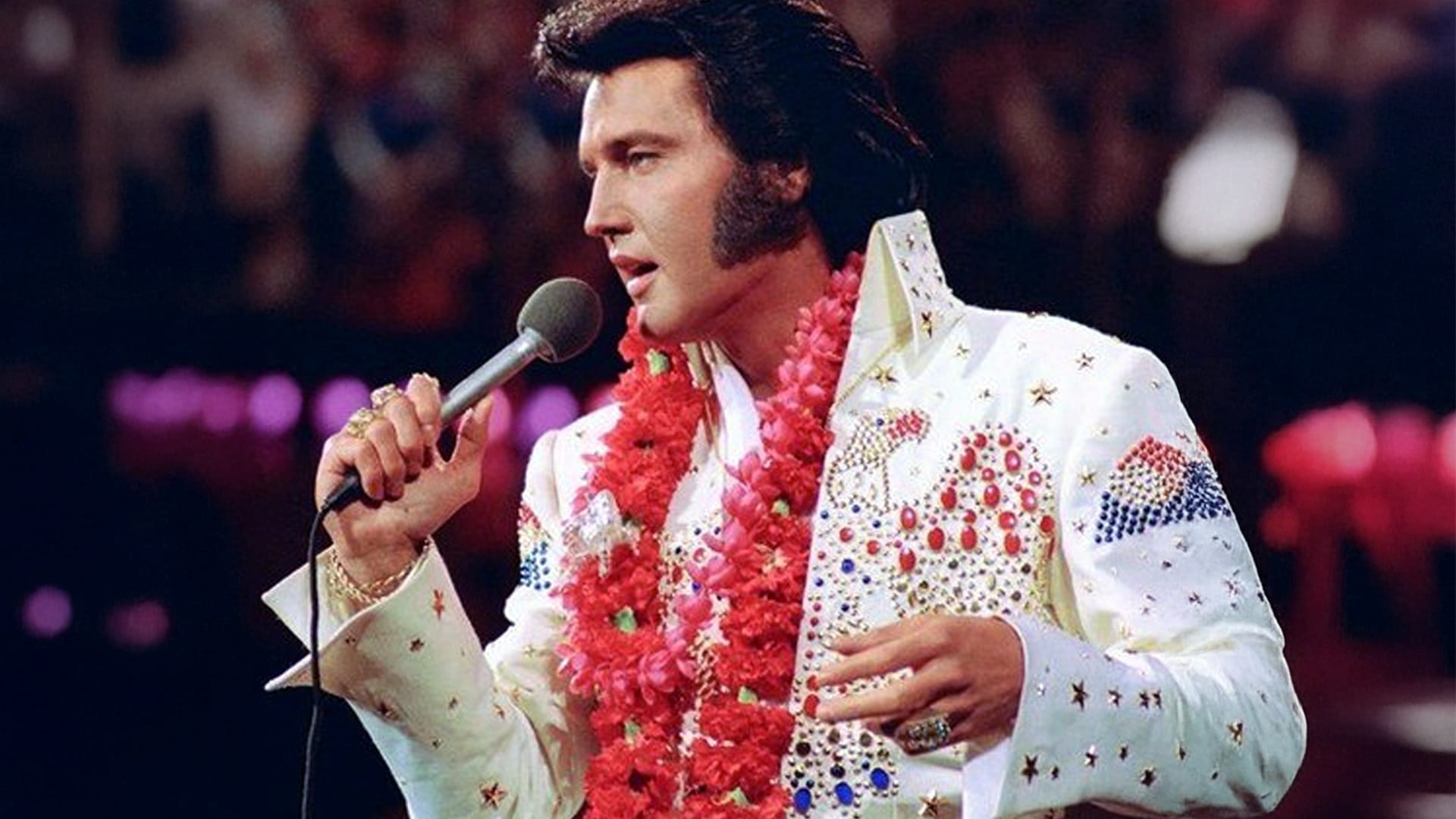
Listen closely to Elvis Presley’s delivery, and you hear how much expression he finds within that simplicity. He moves between short, rhythmic phrases and smoother passages with an ease that makes the performance feel spontaneous. There is a gentle teasing quality in his voice, balanced by a sincerity that keeps the song from becoming merely playful. He sounds as though he is speaking to one person, even while entertaining an audience of millions.
The backing vocals add another essential layer. The Jordanaires provide a reassuring musical presence, supporting the lead without drawing attention away from it. Their harmonies help soften the edges of the beat, giving the record a welcoming character. The result is lively enough to encourage movement, yet relaxed enough to enjoy while sitting quietly and listening.
What makes the song especially rewarding is the balance between its emotional message and its musical lightness. The narrator wants reassurance, but the performance never becomes heavy. Elvis allows concern and optimism to exist together. That combination is familiar to anyone who has waited for a telephone call, hoped to settle a disagreement, or searched for the right words to bring two people closer.

Released alongside “Hound Dog,” the recording also reveals a different shade of Elvis’s artistry. Here, the attraction lies in subtle timing, conversational phrasing, and the pleasure of a melody delivered with personality.
Nearly a lifetime after its release, “Don’t Be Cruel” remains a reminder of how enduring popular music can grow from modest ingredients. A memorable tune, a steady rhythm, sympathetic harmonies, and an unmistakable voice are enough. Elvis Presley brings them together with such natural grace that the record still feels fresh—and its small, tender request still finds a place in the listener’s heart.