Introduction

For many Americans, “A Little Bit Country, A Little Bit Rock ’n’ Roll” brings back an entire room: the television glowing, the family gathered nearby, and Donny and Marie Osmond trading musical styles with an easy smile. Their playful contrast made country and pop feel like friendly neighbors. Watching them, audiences could enjoy familiar melodies, gentle humor, and the reassuring pleasure of entertainers who seemed genuinely comfortable together.
That warmth remains part of the Osmond family’s legacy. Yet looking back with the understanding that comes from age, their performances also invite a deeper appreciation. Behind the polished harmonies were people growing up, working hard, and learning to carry responsibilities that the audience could rarely see.
The family’s musical beginnings were rooted in Utah, where Alan, Wayne, Merrill, and Jay Osmond developed their close vocal blend before national television introduced them to a much larger audience. Appearances on The Andy Williams Show helped establish their reputation, and younger siblings subsequently became familiar faces. Their precision reflected years of practice, listening, and learning how to make individual voices serve a shared sound.
For listeners who remember those early broadcasts, the harmonies still have a particular appeal. There is pleasure in hearing a phrase passed smoothly between singers, or a chorus arrive with every voice in place. The Osmonds understood that kind of musical craftsmanship. Their coordinated presentation drew attention, but their ability to perform together gave audiences a reason to keep listening.
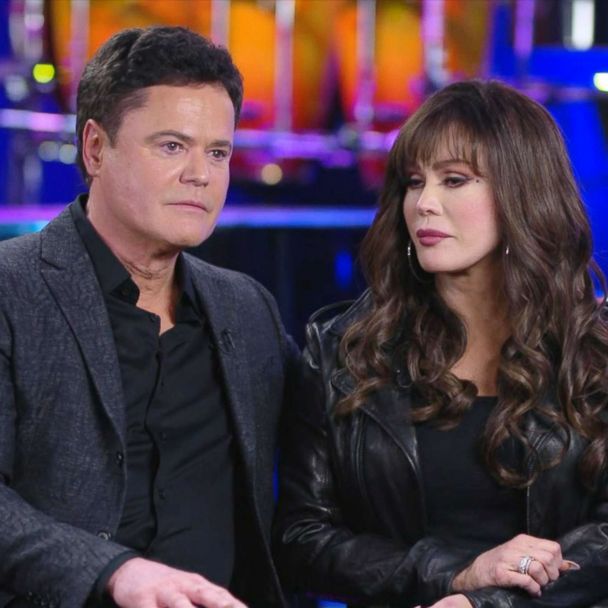
With Donny and Marie, that family familiarity became the heart of a television partnership. “A Little Bit Country, A Little Bit Rock ’n’ Roll” offered a simple, memorable framework for their contrasting musical identities. Marie brought the emotional directness associated with country singing; Donny supplied youthful pop energy. The recurring segment gave viewers an inviting way to enjoy both traditions.
Nevertheless, maintaining such a cheerful public presence could be demanding. Donny’s experience with panic attacks and Marie’s experience with postpartum depression have been publicly documented. Those struggles give their familiar smiles a human context: professional confidence onstage does not always reveal how someone feels away from it.
Marie has also described the damaging criticism she received about her appearance while still a teenager. For an older audience, her account may change the way those sparkling television performances are remembered. A young entertainer could deliver the expected brightness while carrying hurt that viewers knew nothing about. Her parents’ support, she has said, helped her through that difficult period.
The family faced serious health challenges as well. Alan Osmond was diagnosed with multiple sclerosis in 1987, while treatment for Wayne Osmond’s brain tumor later caused profound hearing loss. These were deeply consequential experiences for men whose working lives had been built around music and performance.
The most painful parts of their history deserve particular care. In 2010, Marie Osmond’s son, Michael, died by suicide at eighteen. Her subsequent public discussion of his depression and her grief brought attention to suffering that fame could neither prevent nor resolve. His death belongs to a family’s experience of loss and should be approached with compassion.
Returning to the music after learning these stories, one may hear the Osmonds with greater tenderness. The familiar songs still offer joy, but the people singing them become more fully visible. Their legacy includes disciplined musicianship, memorable entertainment, and the courage required to speak honestly about difficult experiences. For those who grew up watching them, that fuller understanding can make an old performance feel newly meaningful.