Introduction
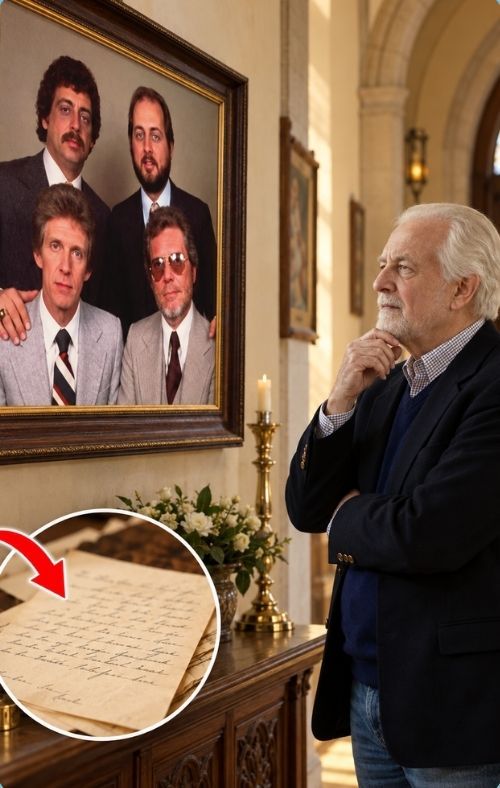
For those who grew up listening to The Statler Brothers, their music can feel like a familiar voice calling from another room. It brings back Saturday evenings, Sunday hymns, family car rides, and the quiet pleasure of hearing four distinct voices become something beautifully whole. Their songs offered humor, tenderness, and a thoughtful understanding of ordinary lives. That is why their decision to retire from touring in 2002 remains such a meaningful chapter in country music history. The group’s official website confirms that Harold Reid, Don Reid, Phil Balsley, and Jimmy Fortune brought their concert and touring career to a close that year.
The account of their farewell invites a question that reaches beyond show business: after spending decades doing something exceptionally well, how do you decide that it is time to go home? Fans naturally want another performance, another familiar chorus, another chance to applaud. Yet the people onstage have lives that continue after the lights come down. A long career also means years measured in departures, hotel rooms, rehearsals, and journeys back to the people waiting at home.
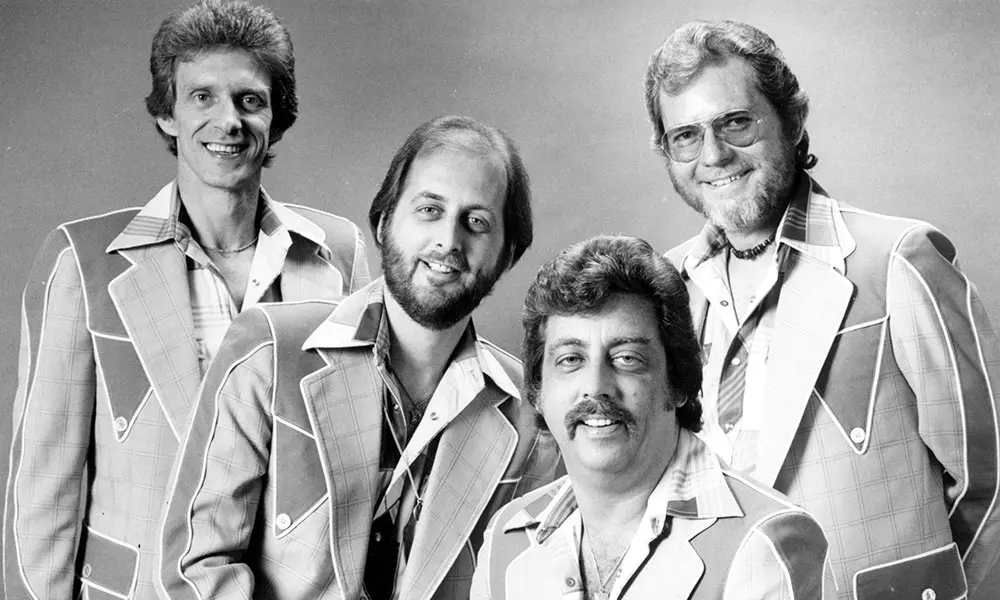
To appreciate the emotional weight of that decision, listen again to the Statlers’ harmonies. Don Reid’s lead voice gives a song its conversational center. Harold Reid’s bass adds depth and character, while Phil Balsley’s baritone helps bind the sound together. The tenor brings brightness above that foundation. PBS identifies these vocal roles in the original lineup, which featured Lew DeWitt on tenor. The effect is wonderfully personal: each voice remains recognizable, yet every singer serves the larger musical picture.
That sense of cooperation helps explain why their recordings reward repeated listening. In “The Class of ’57,” the passage of time becomes something listeners can consider through the lives of others. A remembered graduating class opens into questions about ambition, disappointment, and the distance between youthful expectations and adult experience. For older listeners, the song can acquire fresh meaning with every passing decade. We begin by recognizing the characters; eventually, we recognize parts of ourselves.
“Do You Remember These” offers a different pleasure. Its memories invite listeners to supply their own images, places, and people. Such songs create room for an audience’s experience. A familiar detail can bring back a whole household: someone laughing in the kitchen, a radio playing nearby, an evening that seemed unremarkable until it became part of the past.
Seen through that music, retirement feels consistent with the values their songs express. Home, friendship, faith, and the use of time deserve attention in life as well as in a lyric. Don Reid carried his storytelling into another form after touring ended, turning greater attention to writing books—a transition documented in his PBS biography. For a songwriter so attentive to people and memory, the move from a microphone to a page has an understandable continuity.
There is something deeply moving about a farewell chosen with care. It asks listeners to accept that gratitude can include letting an artist enjoy the life his work helped build. The records remain available, carrying the warmth and precision that first made them special.
Perhaps that is why The Statler Brothers’ farewell still resonates. Their music taught listeners to notice the worth of ordinary days. Their departure gives us another reason to hear those songs closely—and to consider how we spend the days of our own.