Introduction

For generations of country listeners, Ronnie Dunn’s voice has been a familiar companion: soaring from a car radio on a long drive, filling a crowded dance floor, or offering comfort when an ordinary evening turns lonely. Alongside Kix Brooks, he helped give Brooks & Dunn a sound that could be exuberant one moment and quietly devastating the next. That history explains why a brief departure from the stage in Indianapolis carried such emotional weight.
On April 3, 2025, Dunn, then 71, left the stage during the encore performance of “Boot Scootin’ Boogie” at Gainbridge Fieldhouse. Video of the moment circulated widely, prompting understandable concern. A representative subsequently explained that Dunn had been feeling unwell and confirmed that the following Saturday’s performance went ahead as planned. Those details support a more measured understanding of the incident than suggestions that fans had witnessed an unannounced farewell.
Yet the response reveals something worth considering. When a singer has accompanied listeners through decades of their lives, a moment of difficulty can feel unexpectedly personal. We become accustomed to hearing that familiar voice rise above the instruments. When it falls silent, even briefly, we recognize how much we have come to depend on its presence.
Dunn’s gift has always extended beyond vocal strength. His singing combines a bright, unmistakable country tenor with a remarkable sensitivity to the meaning of a line. He can stretch a phrase without losing its conversational quality, allowing a simple thought to gather emotional force. In “Neon Moon,” loneliness becomes an atmosphere that seems to surround the listener. In “Believe,” his restraint gives the song room to consider grief, memory, and faith without rushing toward an easy answer.
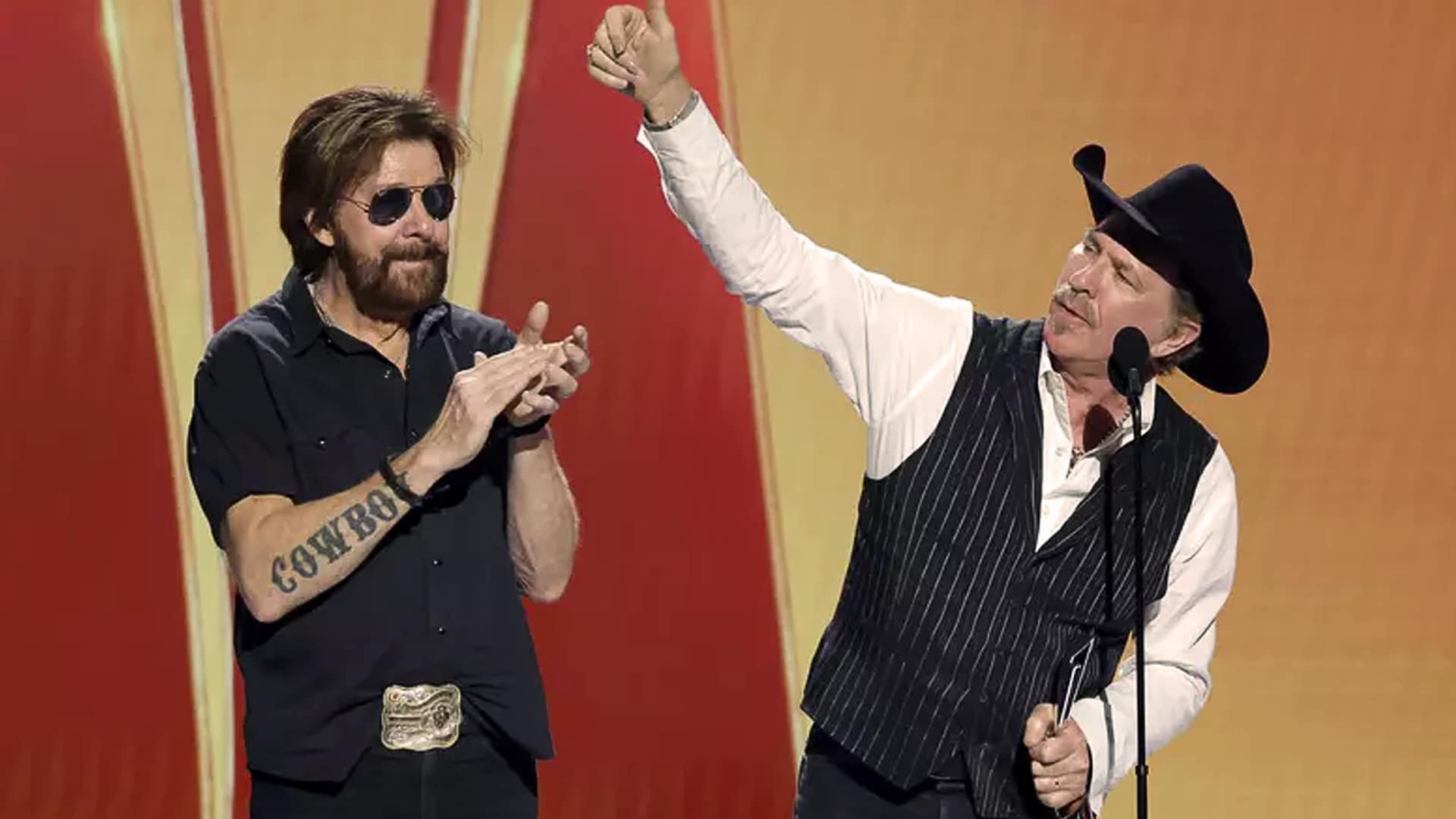
Then there is “Boot Scootin’ Boogie,” with its buoyant rhythm and invitation to leave everyday worries at the door. Its appeal rests partly in that sense of shared enjoyment. Hearing Dunn step away during such a celebratory song created an especially poignant interruption: a reminder of the person doing the singing, beneath the audience’s expectations.
The supplied video places that moment within the larger story of Brooks & Dunn’s partnership, including their separation and eventual reunion. It is an absorbing subject because a successful musical partnership requires more than compatible voices. Different instincts must find a common purpose, and individual ambitions must coexist with a sound audiences recognize as belonging to both performers.

Musically, their contrast remains central to the appeal. Kix Brooks brings a lively, outgoing presence, while Ronnie Dunn often supplies the sustained emotional focus. Together, they create room for both celebration and reflection. Listeners can come for the energy and leave remembering a single, beautifully delivered phrase.
For older audiences, that range carries particular meaning. These songs belong to years filled with work, family, change, and people who may no longer be beside us. Returning to them can bring back an entire chapter of life.
That is what makes the Indianapolis moment moving without requiring speculation about a final curtain. A beloved performer had difficulty finishing an evening, and listeners responded with concern. Behind the famous voice stood a human being whose music had earned their affection over many years. Brooks & Dunn’s legacy lives in that connection as surely as it lives in any recording.