Introduction
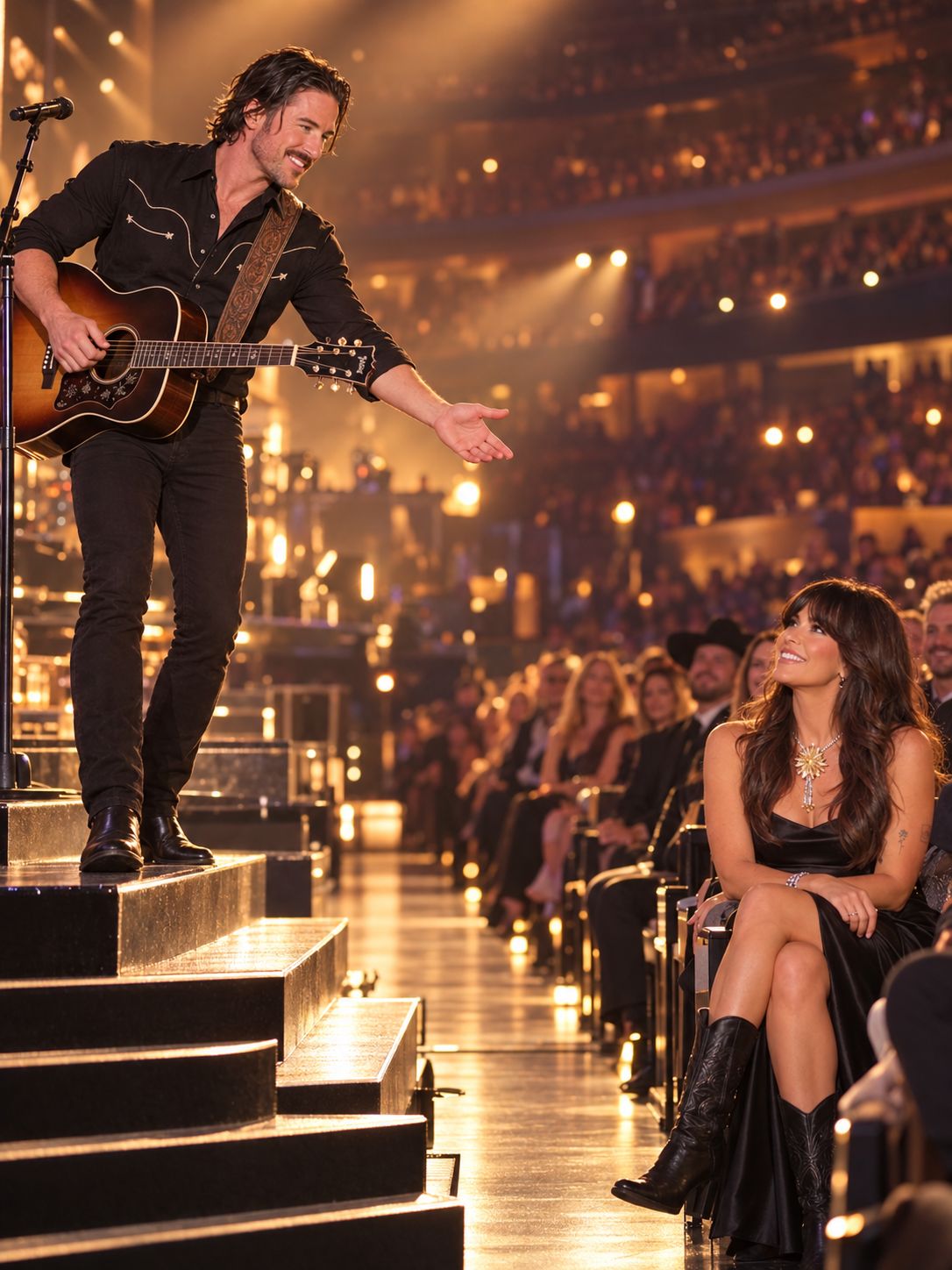
Sometimes, the most revealing moment in country music arrives between the songs. A passing remark, a brief response, and suddenly listeners are considering a question that reaches far beyond the stage: who deserves the credit when an artist becomes a star? That question sits at the center of the recent discussion surrounding Ella Langley and Riley Green, two performers whose musical partnership has drawn considerable attention.
The controversy followed Green’s comments on The Voice, where he was encouraging country duo Ferryn & Brinkley to join his team. According to Holler, Green compared the contestants to Langley, mentioned taking her on tour, and observed that she was doing well. Some viewers interpreted the sequence as suggesting that his support helped explain her success. That interpretation matters: mentioning a professional connection does not, by itself, establish an intention to claim another artist’s achievements.
The discussion intensified after an Instagram Live exchange. As reported by Us Weekly, a viewer asked Langley whether Green taking credit for her success had bothered her. Langley subsequently remarked, “Yeah, when that man took credit, no, didn’t love that. But typical.” However, she did not explicitly name Green in that response. The publication therefore described the connection as apparent rather than definitively confirmed.
That distinction leaves room for a thoughtful reading of the situation. The apparent point of contention is recognition: whether acknowledging someone’s assistance begins to overshadow the work of the person who received it. This is an interpretation of the reported exchange, rather than a complete explanation of Langley’s private feelings or Green’s intentions.
For longtime country listeners, the underlying issue will feel familiar. Music has always depended on people opening doors for one another. An established performer offers a touring opportunity. A collaborator contributes a distinctive voice. A shared recording introduces both singers to listeners who might otherwise have missed them. Those contributions deserve appreciation, but they exist alongside the individual preparation that makes an opportunity count.
A duet offers a particularly useful way to understand that balance. Its appeal depends on an exchange: contrasting tones, carefully placed pauses, and the sense that each singer brings something essential. In a compelling partnership, listeners hear two personalities meeting inside the same song. Reducing that achievement to a story about one performer creating the other’s success misses much of what makes musical collaboration rewarding.
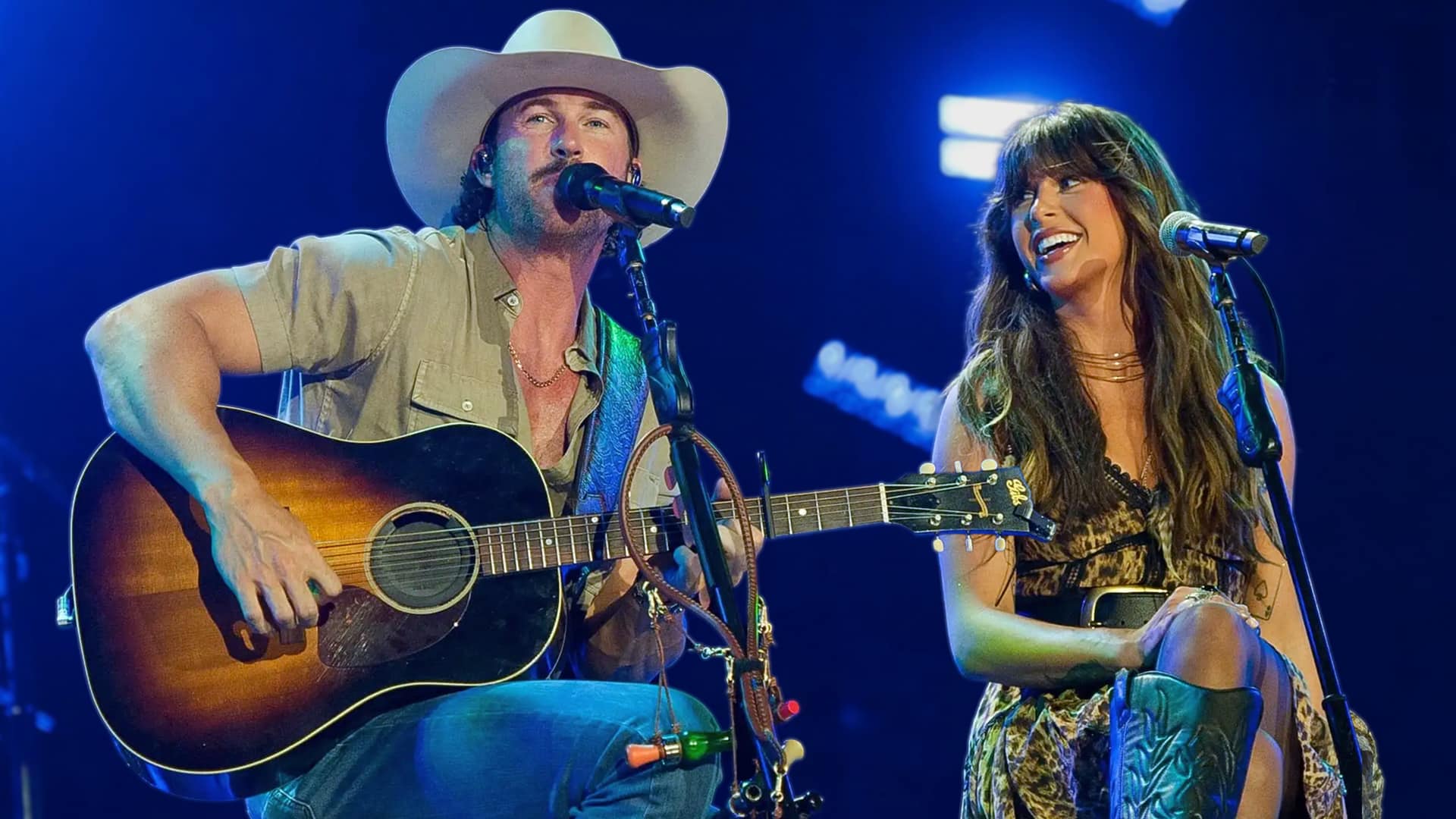
From a critical perspective, Ella Langley’s artistic identity deserves consideration on its own terms. So does Riley Green’s contribution to their shared work. Respecting both requires language precise enough to recognize assistance without turning it into ownership.
Ultimately, the reported exchange invites a more interesting conversation than a simple declaration of a feud. It asks how country music tells its success stories—and whose effort remains visible when those stories are repeated. For listeners who value the craft behind the spotlight, that question carries lasting weight. A stage can be shared, an opportunity can be offered, and gratitude can be sincere, while an artist still deserves full recognition for the voice she brings to the microphone.