Introduction
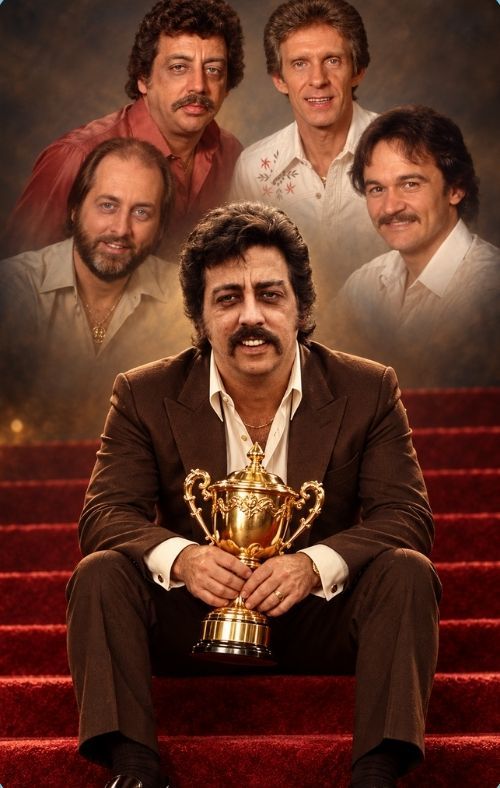
Listen again to a favorite Statler Brothers recording, and something remarkable happens. The melody returns first, bringing familiar words and perhaps the memory of a kitchen radio, a long drive, or an evening when the whole family watched television together. Then listen beneath it. There, giving the harmony its depth and weight, is Harold Reid—a singer whose contribution becomes more apparent the closer we pay attention.
Calling him “the man nobody watched” makes a dramatic headline, but it misses part of his appeal. Harold could command an audience with a perfectly timed joke as readily as he could anchor a musical phrase. He was a bass singer, songwriter, and humorist, and his deep voice and sharp wit became defining features of the group. His importance extended well beyond the lowest note in a chord.
Still, the idea behind that headline raises a worthwhile question: How much of the music we love depends on the voice we seldom follow?
In a vocal quartet, listeners naturally gravitate toward the melody. It gives them the words to remember and the tune to carry home. Higher harmonies can attract attention through their brightness. A bass part works differently. It establishes the lower boundary of the sound, helping the voices above it feel settled and complete. When handled with care, it gives an arrangement authority without overwhelming its tenderness.
That is a useful way to appreciate Harold Reid’s musical presence. His singing offered a sense of solidity. Beneath the movement of the other voices, he helped make the quartet sound like a single, recognizable ensemble. For listeners drawn to the Statlers’ warmth, that depth was part of the welcome.
Their recordings reward this kind of attentive listening. Follow the main tune once, then return and concentrate on the lower harmony. Notice how the character of a phrase changes when the bass enters, how a sustained low note lends fullness to a chord, and how restraint can be as expressive as a flourish. The pleasure lies in discovering how much is happening inside music that initially sounds effortless.
Harold also understood another essential ingredient of the Statlers’ appeal: humor. His contribution to their comedy included the character Lester “Roadhog” Moran, part of the group’s comic alter ego, Lester “Roadhog” Moran and the Cadillac Cowboys. That playful side gave audiences another way to connect with the men behind the harmonies.
For older listeners, that combination may explain why the group’s performances felt so companionable. Musical discipline and laughter belonged in the same evening. A moving song could sit beside a comic routine, and each made the other more effective. Harold’s presence helped give those changes in mood a familiar human face.
His death on April 24, 2020, at the age of eighty, brought renewed attention to that contribution. Yet the chronology matters: The Statler Brothers had retired from touring in 2002. His passing was a loss to his family, friends, and admirers, rather than the event that ended the group’s performing career.
What remains is the opportunity to hear him more fully. The Statlers’ achievement belonged to an ensemble, with each singer contributing something indispensable. Within that shared sound, Harold supplied depth, personality, and a reassuring sense of musical gravity.
The next time a familiar recording begins, listen beneath the melody. Harold Reid is there, helping give a cherished memory its shape.