Introduction

Some gospel songs stay with us because we learned them before we were old enough to understand them. Others find us later, when their questions begin to sound like our own. The Statler Brothers – A Place on Calvary belongs to that second kind. The song gives voice to a believer who trusts in the grace of God and still wonders, with uncommon candor, whether a life full of ordinary shortcomings can end with a welcome home. There is a lifetime of feeling in that question, and the Statlers sing it in language simple enough to carry with you after the music ends.
The song opens with two movements in opposite directions. The body is lowered while the soul is lifted. In just a few words, the prayer holds the finality of an earthly farewell alongside the hope of being called home. It then turns to gestures familiar to anyone who has spent time in church, a bowed head, raised hands, and bent knees. Those details give the song its intimacy. You can picture someone praying these words after the house has gone quiet, long after the last Sunday hymn has been sung.
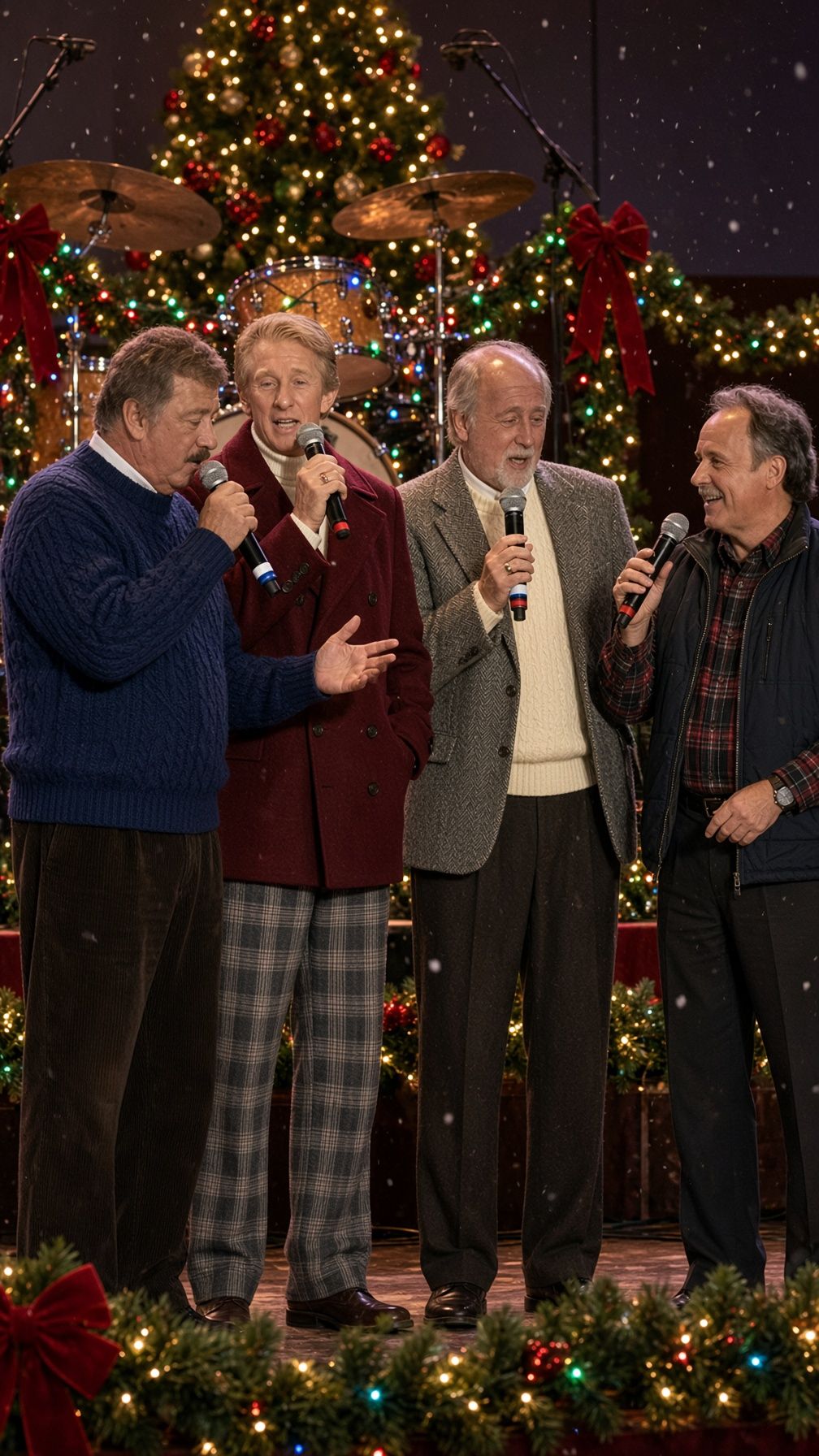
The Statlers’ four-part harmony is especially well suited to a song written in the first person. The words belong to one believer, yet the voices make room for a congregation’s worth of experience. Listen for the effect of the returning refrain. At first, its request sounds straightforward. Each verse gives it a little more weight, particularly when the singer considers whether his deeds will measure up. By the time the voices settle on the repeated word Calvary, the prayer has narrowed to the one place where the singer has put his hope. It is a fine example of how repetition can deepen a gospel song when the verses give you something new to hear in the same words.
“A Place on Calvary” opens the group’s gospel album Amen, produced by longtime collaborator Jerry Kennedy. Its position feels fitting. The Statler Brothers were gifted storytellers, and here they need very little scene-setting. A person has read Scripture, thought about the way he has lived, and found that the question of grace still matters as much as it ever did. Country music has always had room for voices that sound as if they have lived with the things they sing about. That quality serves the Statlers particularly well here, where the plain phrasing lets the uncertainty and hope come through together.
For a listener returning to the song after many years, the verse about measuring up may be the one that lands differently. With age comes a longer memory, and with it more occasions to think about the kindnesses we received, the ones we offered, and the moments we wish we could revisit. The Statlers leave room for all of that in a refrain a listener can learn on the first hearing. By its final return, the simplest word in the song may be the most moving one. The singer hopes to be called home, and four voices sing the prayer as though any one of us might have asked it.