Introduction
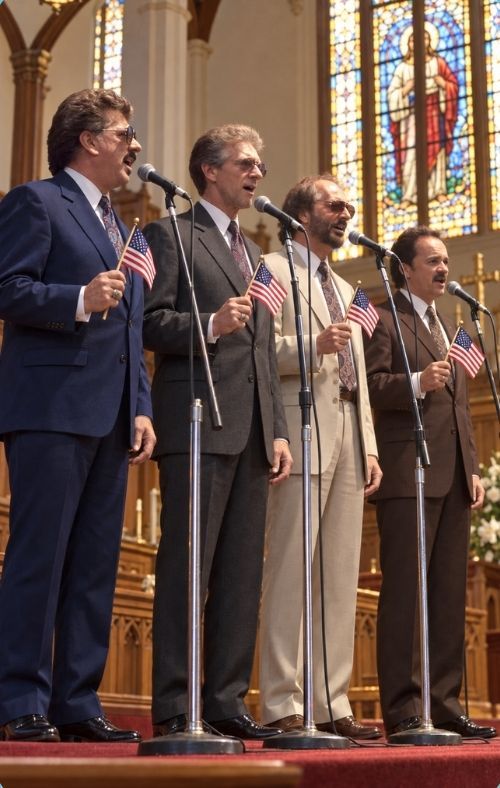
Some country songs entertain us for an evening. Others quietly follow us home, returning when we remember someone we loved or consider a sacrifice we have never fully understood. Jimmy Fortune’s “Meet Me at Arlington” belongs to that second tradition. To appreciate its emotional weight, it helps to look beyond the recording and toward the musical family that helped shape his voice: The Statler Brothers.
Their name suggests a family connection, yet only Harold Reid and Don Reid were brothers. The familiar quartet also included Phil Balsley and Lew DeWitt, and its unlikely name came from a box of Statler tissues. That modest beginning seems wonderfully appropriate for a group whose appeal rested on finding something memorable in ordinary life. Their humor was approachable, their harmonies distinctive, and their songs often made familiar experiences feel newly significant.
In the interview supplied here, Don Reid discusses “The Music of The Statler Brothers: An Anthology” with the ease of someone opening a family album. His interest lies in how songs were written, arranged, and brought to life. Behind a finished recording were decisions, conversations, and moments of inspiration that listeners rarely heard about.
For longtime admirers, that perspective offers a rewarding way to revisit “Flowers on the Wall,” “Elizabeth,” “My Only Love,” and “I’ll Go to My Grave Loving You.” A familiar melody can hold two histories at once: the story its writers intended to tell and the personal memories listeners gradually attached to it. The song playing during a long drive or a quiet evening may become inseparable from that chapter of our lives.
One of Reid’s most revealing observations concerns Staunton, Virginia. In his account, remaining close to the streets, buildings, and friendships of childhood kept the group’s memories within reach. Their former school became their headquarters. For musicians who wrote so often about looking back, home provided a continuing source of detail and feeling.

That attention to lived experience helps explain the emotional connection between the Statlers’ legacy and Jimmy Fortune’s later work. Released in 2019 on “God & Country,” “Meet Me at Arlington” was co-written by Fortune and Dave Clark. Fortune’s official account identifies a Gold Star mother’s response to criticism of the military as the inspiration behind the song.
As Fortune tells it in the supplied interview, Clark brought him a recording of the mother speaking. Her invitation to meet at Arlington immediately suggested a song. What makes that idea powerful is its movement from an argument toward a place where loss has a visible, human presence.
Arlington National Cemetery, within the song’s emotional world, becomes a setting for listening. Its meaning rests in the families who must continue living with an absence. For older listeners, especially those who have known military service, bereavement, or long years of remembrance, that invitation may carry considerable weight.
Fortune’s clear tenor is especially suited to such material. His delivery allows tenderness to remain audible, giving the listener room to consider the story rather than simply react to it. The emotional force comes from recognizing what another person has endured.
Placed beside Don Reid’s reflections, “Meet Me at Arlington” reveals a lasting strength of this musical tradition: its ability to preserve human experience through song. The Statlers gave memories a harmony. Fortune carries that spirit forward, asking us to pause, listen closely, and remember that behind every expression of sacrifice stands a person—and someone who still misses them.