Introduction
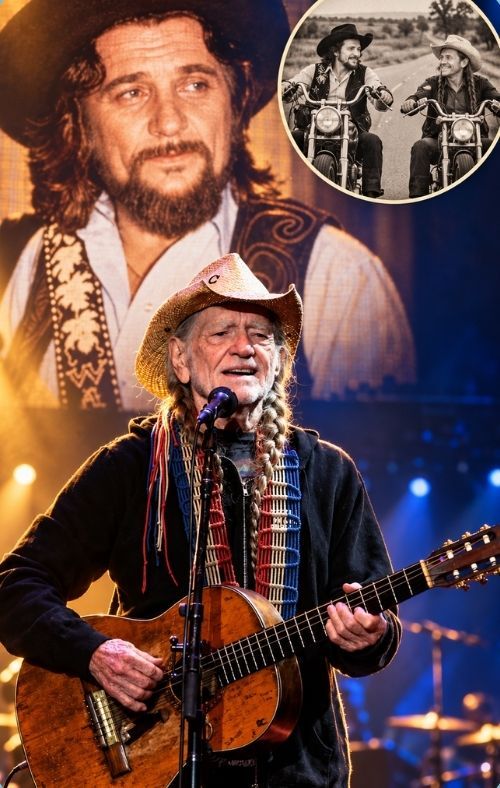
There is something about hearing Willie Nelson and Waylon Jennings together that makes the years fall away. Perhaps it is the contrast between their voices: Willie’s gentle, wandering phrasing beside Waylon’s deep, firmly grounded delivery. Perhaps it is the feeling that neither man needed to impress the other. Their music carries the ease of a conversation between people who understand the road, its disappointments, and the small comforts that make another journey worthwhile.
For listeners who have lived through changing fashions and changing fortunes, that quality means a great deal. These are voices that leave room for experience. They can sound humorous, stubborn, weary, or quietly hopeful, sometimes within the same performance. Behind the familiar image of two country outlaws lies a musical partnership whose appeal begins with something beautifully ordinary: the pleasure of hearing two distinctive people remain themselves while making something together.
Their place in outlaw country history is well established. Both artists helped challenge the restrictive expectations surrounding country recording, making artistic independence central to their careers. The movement gave greater space to personal sound, individual interpretation, and musicians who wanted a stronger say in how their records were made. Waylon Jennings and Willie Nelson became defining figures in that change.
Yet a movement’s name can only explain so much. To appreciate these men fully, one must listen beyond the reputation. Waylon’s voice has a remarkable sense of weight. He can deliver a straightforward line as though he has considered it carefully and found no reason to soften its meaning. His rhythmic confidence gives a performance momentum, while the grain in his singing suggests that conviction and vulnerability can occupy the same breath.
Willie approaches a melody differently. His phrases often seem to arrive on their own schedule, stretching a moment or allowing a pause to become part of the story. To my ear, this creates an intimacy that rewards patient listening. He makes familiar sentiments feel freshly considered, as though the singer is discovering their significance alongside the audience. When these two approaches meet, the contrast gives their shared performances both warmth and character.
Their collaboration found a lasting expression on “Waylon & Willie,” the 1978 album associated with their celebrated recording of “Mammas, Don’t Let Your Babies Grow Up to Be Cowboys.” That partnership became an enduring part of their musical histories. Encyclopedia of the Great Plains The recording’s appeal is easy to understand: its affectionate humor carries an awareness of the uncertainty surrounding an independent life. Beneath its familiar refrain is a question many older listeners recognize—how much freedom can a person pursue without sacrificing the comfort of belonging?
That question helps explain why their music continues to resonate. We need not share a performer’s circumstances to recognize the feelings within a song. Most of us know something about choices that looked simpler when we were young, friendships that survived difficult seasons, and convictions that became more costly with age. Willie Nelson and Waylon Jennings give those experiences a sound that feels approachable and human.
Their enduring legacy lives in that connection. Return to their recordings, and the famous image gradually becomes less important than the listening itself: a measured phrase, a sturdy rhythm, two unmistakable voices finding common ground. For an audience that values honesty, musical character, and the perspective earned over a lifetime, their work still offers a generous invitation—to remember, to reflect, and to hear an old song with renewed understanding.