Introduction
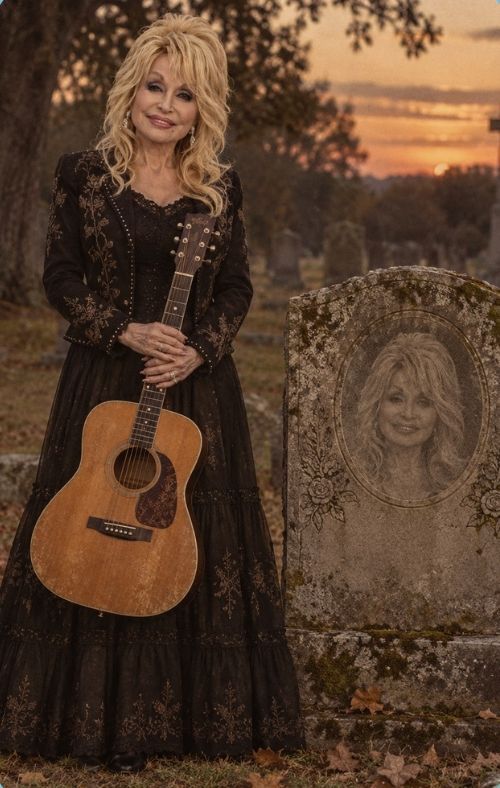
Before the standing ovations, before her name could fill a theater, Dolly Parton encountered a much less welcoming reception in New York City: a locked hotel room and luggage left outside. It is an image with the simplicity of a country song—a young woman far from home, an unfamiliar city, and a door that will no longer open. Yet the most revealing part of this story is how Dolly eventually told it. Years later, she could make an audience laugh about an experience that, at the time, offered little reason for amusement.
Recounting the visit during a 2005 interview with Conan O’Brien, Parton described traveling to New York with a friend while she was still beginning to establish herself in country music. Money was limited. After checking into a hotel and going out to explore, they returned to discover that they had been locked out, with their belongings left in the hallway. Her account described a misunderstanding at the hotel, rather than a rejection of her music or professional ambitions.
That distinction gives the story its human weight. We often look backward at famous performers as though their eventual success was always visible. Surely someone must have recognized the voice, the determination, the extraordinary personality. But recognition rarely arrives so conveniently. Before a name becomes familiar, its owner must move through the world without the protection that reputation provides.
For readers who have followed Dolly Parton’s music across the decades, this episode invites a thoughtful connection with her gift for storytelling. Her appeal rests partly in her ability to make an ordinary circumstance feel emotionally significant. A modest possession, an uncomfortable encounter, a moment of embarrassment—such details can carry an entire life when a storyteller knows where to place the emphasis. Here, the luggage and the locked door do much of that work.
The anecdote is not a song, and it should not be presented as the documented inspiration for one. Nevertheless, it has a narrative shape that country listeners will recognize: hope meets disappointment, dignity is tested, and the person at the center must find a way to continue. Its power comes from the distance between the young visitor experiencing the incident and the accomplished performer recalling it.
Dolly’s humor makes that distance especially interesting. Laughter gives her control over the telling. She chooses the rhythm, delivers the surprise, and lets the audience share the absurdity. What might have remained an embarrassing memory becomes a story she can tell on her own terms. We cannot know every feeling she carried that evening, but we can appreciate the confidence in her later retelling.
Nor did she describe the experience as a reason to condemn the city forever. At the end of the recollection, she expressed her affection for New York—a generous ending to a decidedly unwelcoming beginning.
Ultimately, the locked hotel door offers a memorable glimpse of the uncertainty that celebrity biographies sometimes smooth away. It reminds us that an extraordinary career is lived one ordinary, unpredictable day at a time. Dolly’s later laughter does not erase that uncertainty. It allows us to see how an awkward early experience could survive in memory—and become compelling in the hands of a woman who understood the enduring value of a well-told story.