Introduction
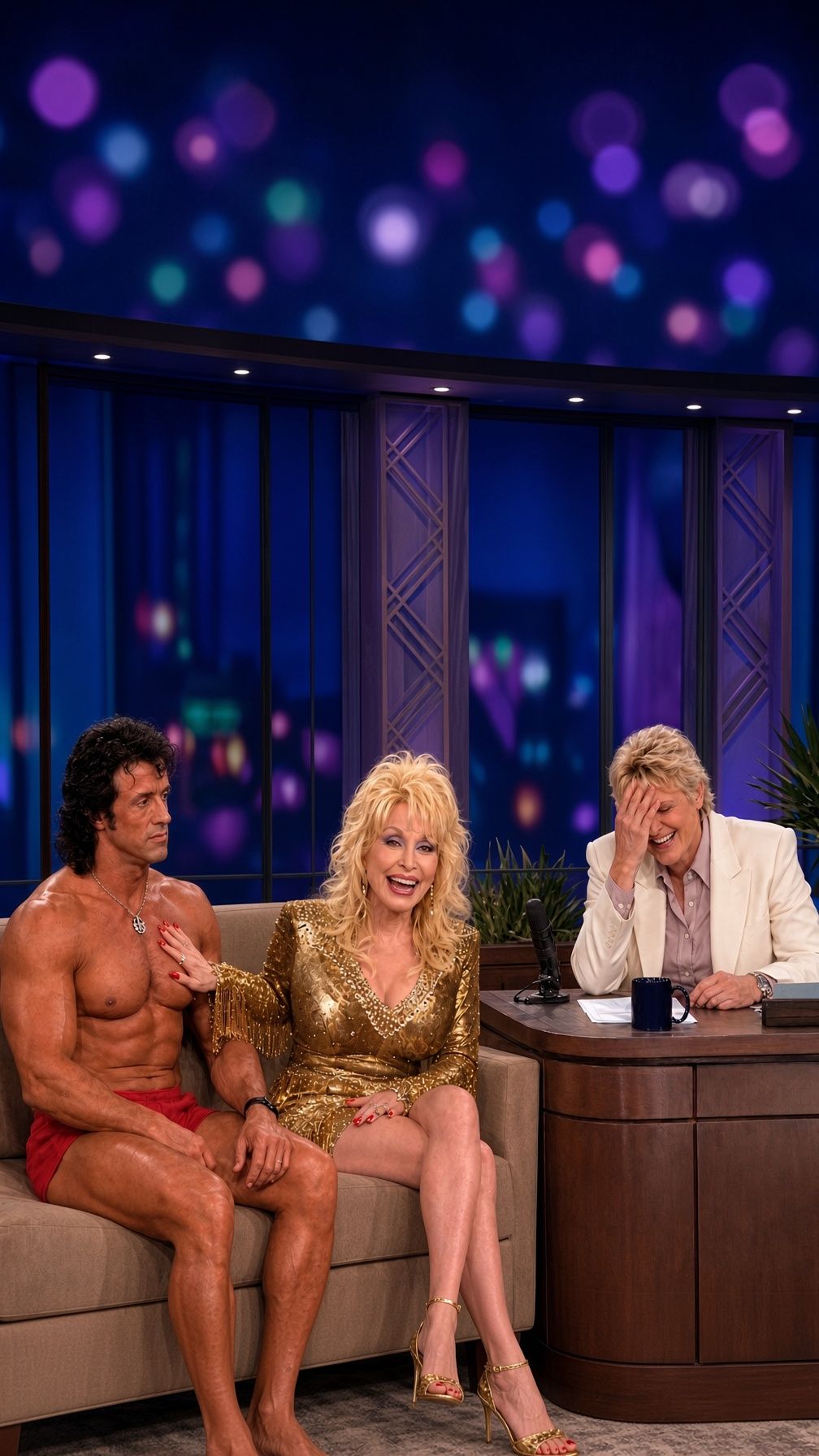
When Dolly Parton walked out for her Saturday Night Live monologue in a glittering outfit, she asked the audience if they recognized it. Then she told them she was dressed as the NBC peacock and credited Lorne Michaels with wanting her to shake her tail feathers. The costume had already done half the work. Dolly let the audience take a good look before giving them a reason to laugh. It was a small moment, but it tells you a great deal about the sense of timing that makes her as much fun to watch between songs as she is to hear singing them.
At a Dollywood Christmas tree lighting, the person helping her get a laugh was costume designer Steve Summers. As Dolly explained afterward, Summers had a remote that controlled the lights on her dress. When the tree lighting got underway, he was off to the side making her outfit light up, too. Part of the pleasure is hearing Dolly explain how it all worked. A performer could leave the audience wondering how she managed the effect. Dolly gives the designer his due and seems every bit as delighted by the trick as the people watching it.
On her own television show, a simple advertisement gave her everything she needed for another memorable bit. The ad promised that anyone could look like Dolly Parton for five hundred dollars. Dolly said she wished she had seen it before spending millions to look like herself. The joke works because she understands exactly what the audience sees when she walks onstage. The hair, the heels, and the rhinestones are so familiar that you can picture them before she finishes the sentence. Even the way she tells the joke sounds like a woman sharing a bargain she found a little too late.

That conversational ease is part of what makes her such an effective country songwriter. In “Coat of Many Colors,” she gives us a garment we can picture and a mother whose care we can recognize in the work of her hands. In “9 to 5,” the brisk rhythm and everyday details put listeners straight into the working day. Those songs ask for different things from her voice, but both benefit from the same instinct she shows in the comedy clips. She knows which detail we’ll recognize right away and how much room to give it before she moves on.
Television interviews, holiday celebrations, and opening monologues give a performer different kinds of audiences. Dolly seems equally comfortable explaining how a dress lights up and turning a network logo into a joke. Watch how she lets her audience catch up to her. When she asks if they recognize that outfit on Saturday Night Live, she gives them a little time to guess. Once you’ve heard her do that in conversation, listen for it in her music. Sometimes the most expressive thing Dolly Parton does is leave just enough space for a line to land.