Introduction
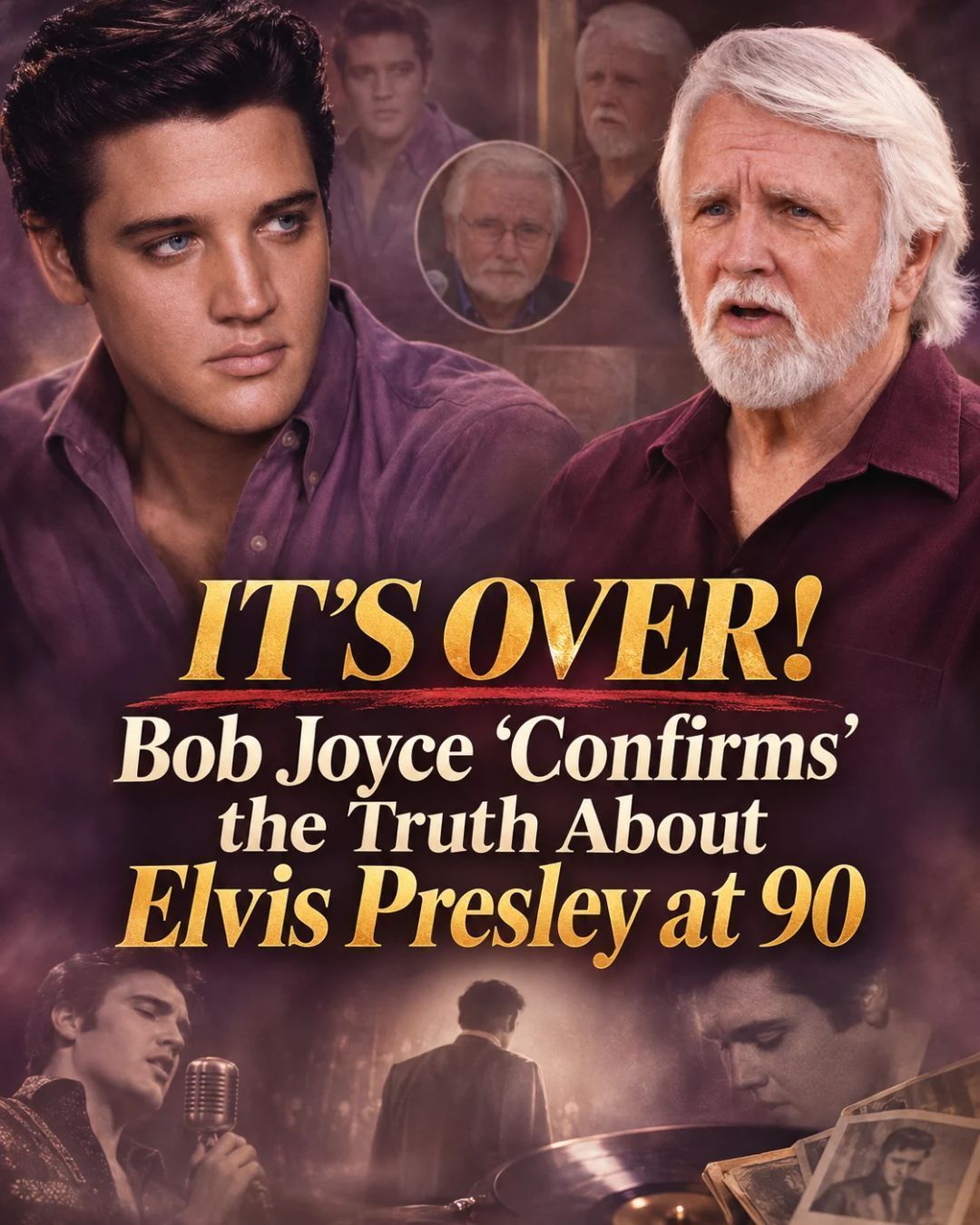
The Bob Joyce Rumor Sent Fans Looking for Elvis. His Gospel Recordings Are Worth Finding Again.
Play Elvis Presley’s “How Great Thou Art” and pay attention to how quietly he begins. His voice is full, but he gives the opening words the ease of someone sharing a thought with the person beside him. By the time the backing voices and the lead vocal rise together, the hymn has traveled from private reflection to something that feels shared by everyone in the room. That change is part of what makes the record so moving, and it offers a way into the story of why a church singer named Bob Joyce has reminded so many listeners of Elvis.
Headlines promising an end to the Elvis Presley mystery have presented Joyce’s words as a new revelation. His official website points readers to an original video from 2017, in which the Arkansas pastor says, “I am not anybody else but who I am, Bob Joyce.” The site also says that an edited version altered his voice and changed his words. The historical record is clear about Presley’s death on August 16, 1977, in Memphis. The most revealing thing about the viral claims may be how quickly a few familiar sounds can carry us back to an artist we remember well.

Anyone who grew up hearing gospel music in church, on the radio, or on a record played after Sunday dinner will recognize some of those sounds. There is the depth of a voice singing low and gently, the lift as it reaches the refrain, and the way a held note leaves room for the voices around it. These are qualities singers learn from listening to one another over a lifetime. Elvis’s 1967 recording of “How Great Thou Art” lets you hear him working within that tradition. The Imperials and The Jordanaires were among the backing singers, and their presence gives the record much of its warmth and scale.
Listen again when Elvis reaches the refrain. The melody climbs, and he lets more of his voice through as the words turn from looking at the world around him to expressing awe at what he sees. That progression is easy to miss when the song is so familiar you can sing it in your head. His timing makes each thought feel newly arrived. The backing voices make the room feel larger as he sings, yet you can still hear the care he takes with a single word. It’s a performance that rewards listening at a volume low enough to catch the quieter details.
There’s another rewarding way to hear the hymn. Follow the harmony through a whole refrain and notice where your ear wants to return to Elvis Presley. You may find yourself waiting for the moment when his voice comes forward, even though you already know exactly how the melody goes. For listeners who remember that voice from a family record collection or a Sunday radio program, the pleasure of hearing it again can be surprisingly immediate. You can understand why another singer might bring Elvis to mind, and why, once reminded, you’d want to go back to the record and hear him for yourself.