Introduction
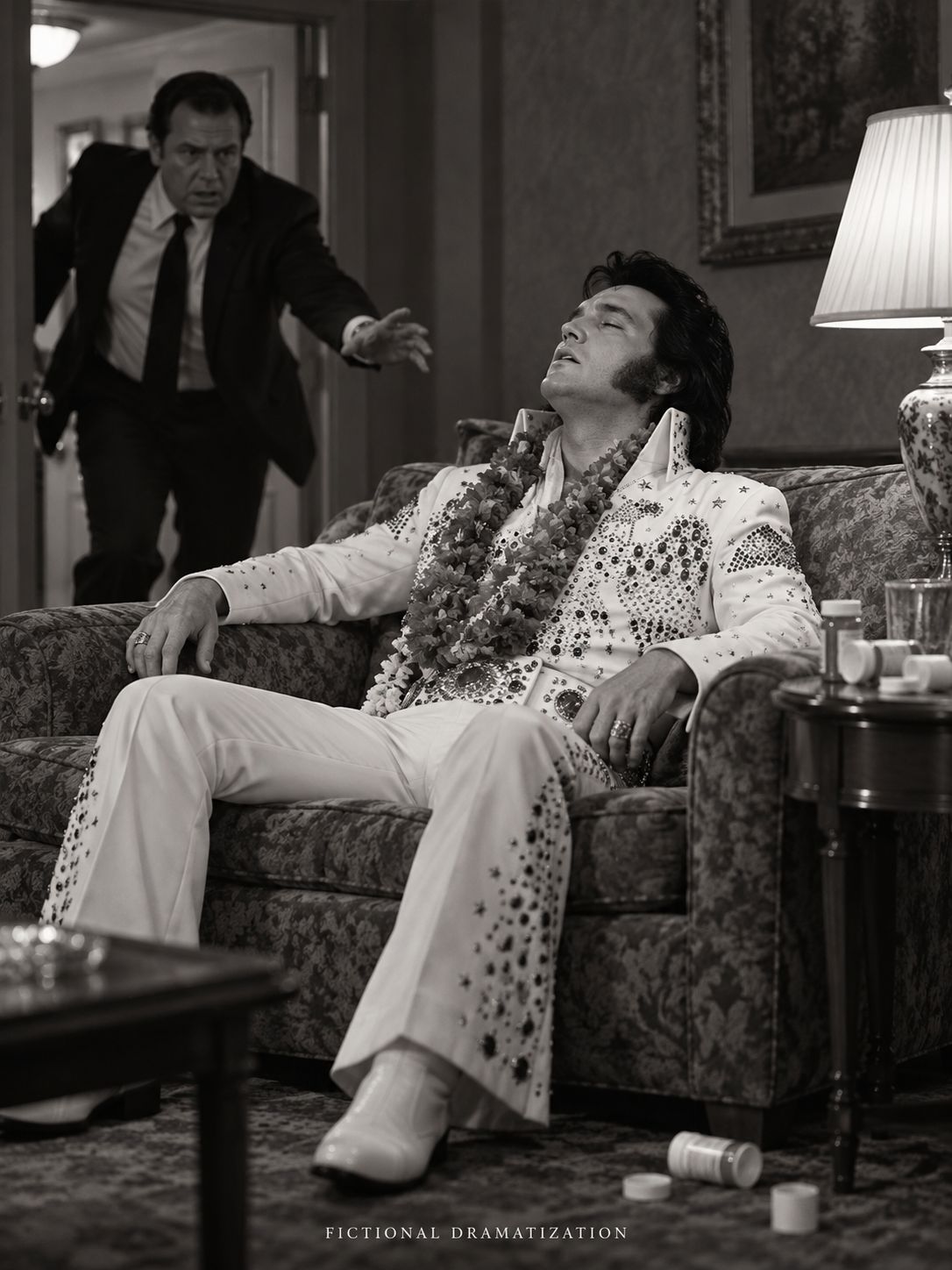
The audience could see Elvis Presley standing beneath the lights. They could hear the unmistakable voice, recognize the familiar gestures, and feel the excitement that followed him into every arena. What they could not easily see was the complicated world surrounding the man when the performance ended. For those who worked closest to him, friendship, employment, and loyalty could become difficult to separate.
That is what makes the story of Elvis and his former bodyguards so unsettling. However, the dramatic account of an unnamed protector walking out of a hotel room after declaring “I can’t watch anymore” should not be treated as established history. The available sources do not substantiate that specific scene or quotation. The documented separation carries its own emotional weight without an invented conversation.
In 1976, Red West, Sonny West, and Dave Hebler lost their positions in Elvis’s organization. Reporting identifies Elvis’s father, Vernon Presley, as the person who dismissed them. Red’s connection to Elvis stretched back to their school days, making the rupture something far more personal than an ordinary change of staff.
For longtime listeners, that distinction matters. A familiar face beside an artist can become part of the landscape: someone present through changing fashions, demanding schedules, and the gradual transformation of a young performer into an international institution. When such a relationship breaks, the loss cannot be measured only in years of service. It also raises questions about trust, access, and what friendship means when one person has become famous beyond ordinary experience.
The former bodyguards subsequently contributed to Elvis: What Happened?, a controversial book published in 1977. Their decision divided admirers. The authors described a desire to confront Elvis’s troubling circumstances, while some fans regarded the publication as retaliation following their dismissal. Those competing interpretations remain essential to understanding the episode fairly.
Dave Hebler’s own later explanation adds an uncomfortable layer of honesty. He described concern about Elvis’s condition and a hope that the book might encourage him to seek professional help. He also acknowledged feeling angry and hurt over his dismissal, as well as the financial opportunity the publication presented. His account suggests mixed motives, rather than a simple story of either selfless rescue or calculated betrayal.
From a musical perspective, this history invites careful listening rather than sensational judgment. Elvis’s gift was his ability to give a song emotional immediacy. A tender phrase could sound like reassurance; a sustained note could carry longing, resolve, or sorrow. Those qualities belong to the performances themselves. They do not give us permission to interpret every lyric as a private confession or every weary expression as proof of a particular backstage event.
For an older audience that remembers encountering his records for the first time, the most moving question may concern the limits of devotion. How does someone help a friend who is also an employer, a public figure, and the center of an enormous enterprise? Affection does not guarantee influence. Years of closeness do not ensure that difficult advice will be accepted.
The lasting sadness of this story lies in those unresolved tensions. We do not need a closed hotel-room door or a dramatic farewell to recognize the human stakes. Behind the King of Rock and Roll stood relationships marked by affection, resentment, dependence, and disappointment. Remembering that complexity allows us to honor the music while considering the man—and those around him—with greater care.