Introduction
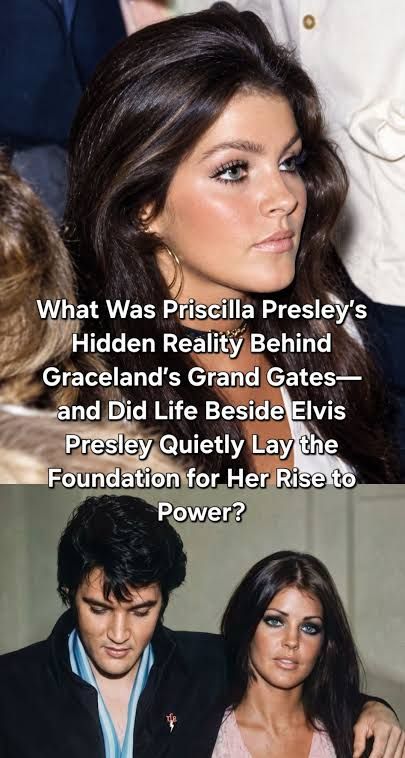
For generations of listeners, Graceland has represented something deeply personal: the home of a singer whose voice accompanied first dances, Sunday afternoons, and long drives through the American night. Yet behind that familiar name lies a complicated world of business agreements, family trusts, and competing claims. A lawsuit seeking more than $50 million has brought part of that world into public view—and understanding it requires separating striking accusations from established facts.
In August 2025, Brigitte Kruse and Kevin Fialko, former business associates of Priscilla Presley, filed a lawsuit alleging fraud and breach of contract. They claimed they had devoted considerable resources to rebuilding her finances and commercial opportunities before their relationship collapsed. The amount sought represents their demand for damages; it does not establish that Presley owes them that money.
A central disagreement concerns the commercial value of Priscilla Presley’s name, image, and likeness. According to the plaintiffs, she failed to disclose an earlier licensing agreement connected to a $6.5 million transaction in 2005. They alleged that this affected the business ventures they developed around her public identity. These assertions belong to the plaintiffs’ account and should be understood as disputed allegations.
There is also a substantial opposing account. In her own 2024 lawsuit, Presley accused Kruse, Fialko, and other associates of financial exploitation and elder abuse. Her complaint alleged that they gained her confidence, isolated her from trusted advisers, and obtained extensive influence over her financial affairs. Kruse and Fialko disputed her allegations. The competing complaints describe profoundly different versions of the same business relationship.
The most distressing material concerns Lisa Marie Presley’s final hospitalization. The former associates’ lawsuit included allegations about medical decisions and attributed financial motives to Priscilla. Her attorney, Marty Singer, forcefully rejected those accusations, describing them as fabricated and retaliatory. Reporting an accusation does not verify it, and the materials cited here do not establish those allegations as judicial findings.

For readers who have followed the Presley family for decades, this distinction matters. A legal complaint presents one side’s arguments. Its emotional force cannot substitute for evidence, and a dramatic headline cannot resolve questions about consent, contractual obligations, or another person’s intentions.
Likewise, the phrase “in charge of Graceland” can suggest a simplicity that this story does not possess. Ownership of a property, authority within a trust, and permission to license a famous name are distinct concepts. Understanding the dispute means asking which particular rights an agreement covers, rather than treating the entire Presley legacy as one possession.
What makes this story compelling is the distance between Elvis Presley’s musical legacy and the difficult business of preserving a famous identity. His recordings remain immediate and human; the arrangements surrounding that legacy can be anything but straightforward.
For longtime admirers, the wisest approach is patient attention: acknowledge the seriousness of the claims, consider the denials with equal care, and reserve judgment for evidence that can withstand scrutiny. Graceland’s emotional meaning deserves a more thoughtful reading than any sensational accusation alone can provide.