Introduction
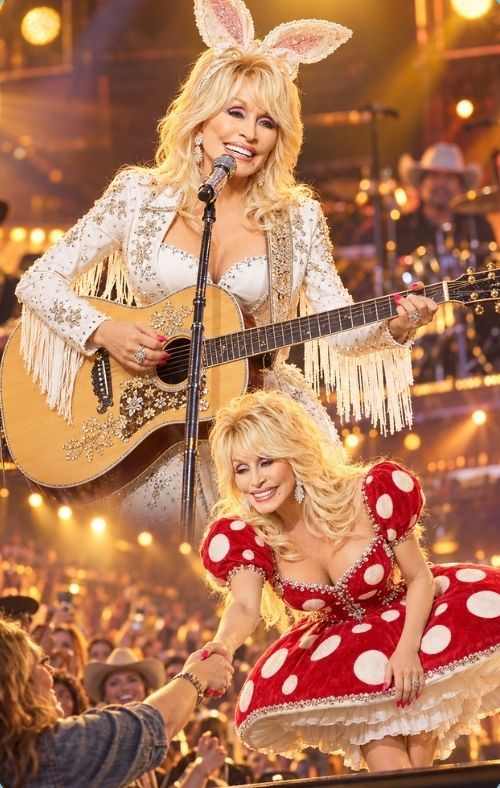
There is something about Dolly Parton that makes people lean a little closer. Before the first chorus arrives, before a familiar melody brings back a distant memory, her presence offers an unmistakable sense of possibility. Her humor, expressive voice, and ability to find a story in ordinary experience have helped create the impression of a woman with endless energy. Yet the most interesting explanation for that impression may be found in the music itself: the curiosity, emotional generosity, and careful craftsmanship that make her performances feel so alive.
For listeners who have followed country music across the decades, Dolly’s appeal reaches far beyond a sparkling appearance or a quick, memorable remark. Listen closely, and there is a thoughtful storyteller beneath the brightness. Her voice can carry vulnerability without losing its strength, and her songs often give everyday feelings the dignity they deserve. That combination creates a powerful connection. An audience senses that she understands disappointment, longing, and the effort required to keep moving forward.
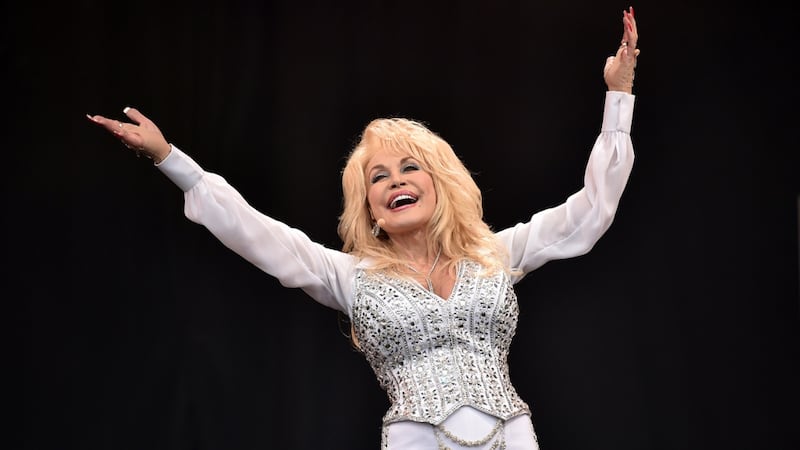
Consider “Coat of Many Colors.” Its emotional force comes from the meaning attached to a simple object and the love woven into it. The song invites listeners to reconsider what makes a person rich, respected, or secure. Dolly’s storytelling turns a childhood experience into something that belongs to anyone who has ever treasured a modest gift. That ability to discover lasting meaning in small details helps explain the vitality of her work. Her songs give listeners something to recognize, remember, and carry away.
Then there is “9 to 5,” with its brisk rhythm and sharp understanding of working life. The energy is unmistakable, but it serves a purpose. Beneath the lively delivery lies frustration familiar to people who have watched the clock, worked hard, and wondered whether their contribution was truly valued. Dolly makes that experience singable. Her performance transforms a shared burden into a moment of recognition, giving the audience room to smile while still hearing the complaint.
These contrasting songs reveal an important part of Dolly Parton’s creative spirit. She can approach tenderness and determination with equal conviction. Her musical personality has room for both, and that range keeps the listening experience fresh. What sounds effortless often reflects disciplined choices: a clear narrative, an expressive phrase, a melody that supports the words, and an instinct for knowing when simplicity will have the greatest impact.

Of course, no public performance can tell us everything about someone’s private reserves of strength. “Endless energy” is an affectionate description of an impression, not a literal account of a life without fatigue or difficulty. There is no need to invent a hidden formula to appreciate what her artistry offers. The evidence available to any listener is in the warmth of the delivery, the precision of the storytelling, and the attention she gives to human experience.
Perhaps that is why Dolly’s music speaks so naturally to older listeners. It makes room for the knowledge that life can be demanding while still finding reasons for affection, laughter, and hope. Her songs acknowledge the weight people carry and offer companionship along the way. The remarkable spark we associate with Dolly Parton emerges from that connection: music made with enough feeling and purpose to leave an audience a little more energized than it was before.