Introduction
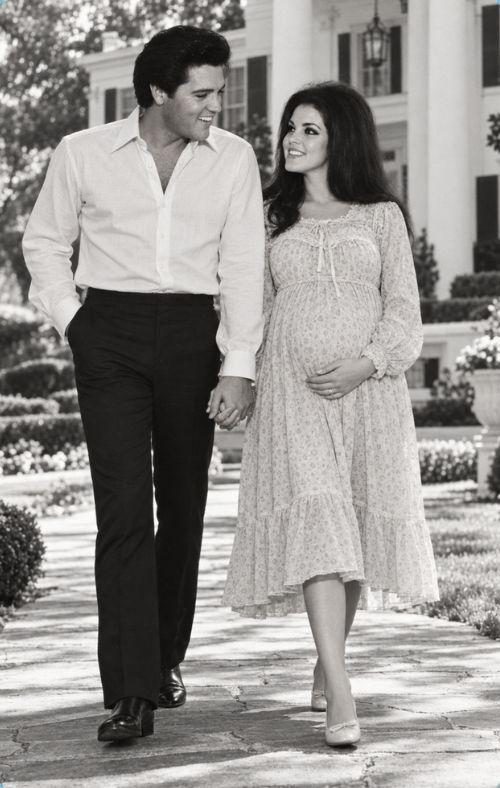
To the public, Priscilla Presley seemed to have stepped into a dream. She was married to Elvis Presley, preparing to welcome their child, and living within a world that millions of admirers could only imagine. Yet a famous name and a beautiful home cannot guarantee the reassurance a young wife needs. In Priscilla’s later account, the months before motherhood included a conversation that exposed how uncertain her marriage had become.
According to recollections reported by PEOPLE, Elvis asked for a trial separation when Priscilla was seven months pregnant. She remembered him saying that he needed time to think and suggesting that they spend some time apart. This is a conversation known through Priscilla’s account, rather than an independently recorded exchange, but its significance is clear: at a moment when she was anticipating a shared future, he was raising the possibility of distance.
Calling this episode “the secret Elvis never wanted Priscilla to know” would suggest knowledge of his intentions that the available account does not establish. The more compelling question is also the more human one: what happens when the person beside whom you are building a family suddenly expresses uncertainty about the life you thought you were building together? For readers who have experienced the responsibilities of marriage and parenthood, that question needs little embellishment.
There is an understandable temptation to explain the conversation entirely through the pressures of fame. A performer’s life can revolve around travel, professional demands, and the expectations of an audience. Family life asks for a different kind of attention: consistency, patience, and the willingness to make room for another person’s needs. Those competing demands offer a useful way to consider the episode, but they cannot tell us precisely what Elvis was thinking. Nor do they diminish what such a request could mean to an expectant mother.
For those who know Elvis principally through his music, this story introduces an uncomfortable distance between the voice on the record and the man within a marriage. A singer can communicate tenderness with extraordinary conviction while struggling to provide steadiness in everyday life. Recognizing that possibility does not require listeners to surrender their affection for the music. It asks them to allow the artist the complexity they would recognize in any other human being.
Priscilla’s perspective also changes the center of the story. She becomes more than the beautiful woman beside a celebrated performer. Her account invites us to consider a young mother’s need for security, her expectations of partnership, and the unsettling experience of discovering that those expectations may not be shared. The emotional weight rests in that uncertainty, without any need to invent a dramatic confrontation or a hidden confession.
This episode should not be treated as proof that every later difficulty was already inevitable. A remembered conversation cannot explain an entire marriage. It can, however, challenge the polished image that often surrounds famous couples and remind us how much remains outside the photograph.
Perhaps that is why Elvis and Priscilla’s story continues to hold our attention. Beyond the glamour lies a recognizable question about love: whether devotion can become dependable companionship when life begins to change. In the months before their daughter’s arrival, Priscilla’s recollection suggests that this question had already become painfully real.