Introduction
For decades, Priscilla Presley has helped preserve the public memory of Elvis Presley. Now a lawsuit brought by two of her former business associates has placed her at the center of an accusation about the death of their daughter, Lisa Marie Presley. The allegation is grave. It is also disputed, and it should not be mistaken for a finding of fact.
In a complaint filed in August 2025, Brigitte Kruse and Kevin Fialko alleged that Priscilla had life support withdrawn from Lisa Marie shortly after she was hospitalized in January 2023. They claimed the decision conflicted with Lisa Marie’s wishes and was connected to a struggle over the family’s assets and Elvis’s legacy. Those are the plaintiffs’ claims in a civil dispute; the filing itself does not establish what happened at the hospital or why any decision was made.

Priscilla’s attorney, Marty Singer, has rejected the allegations, calling the lawsuit meritless and an attempt to damage her reputation amid a wider legal conflict with Kruse and Fialko. He has also said that Lisa Marie’s daughter Riley Keough supports her grandmother. The parties’ opposing accounts make careful language essential: a courtroom allegation, however startling its wording, is not a verdict. There is one crucial medical fact separate from the lawsuit’s account. The Los Angeles County Medical Examiner determined that Lisa Marie died from a small bowel obstruction caused by scar tissue that developed after a previous surgery. She was 54. That finding identifies the cause of her death; it does not, by itself, resolve the dispute over decisions described in the complaint. County of Los Angeles Medical Examiner
The story reaches beyond the famous gates of Graceland because Lisa Marie was more than the daughter of a cultural icon. She was a singer and songwriter with a voice of her own. Her records often carried a searching, weathered quality: the sound of someone trying to speak honestly while the world kept listening for echoes of her father. To many longtime Elvis listeners, her life made the Presley name feel less like a monument and more like a family history, marked by affection, loss, and difficult choices.
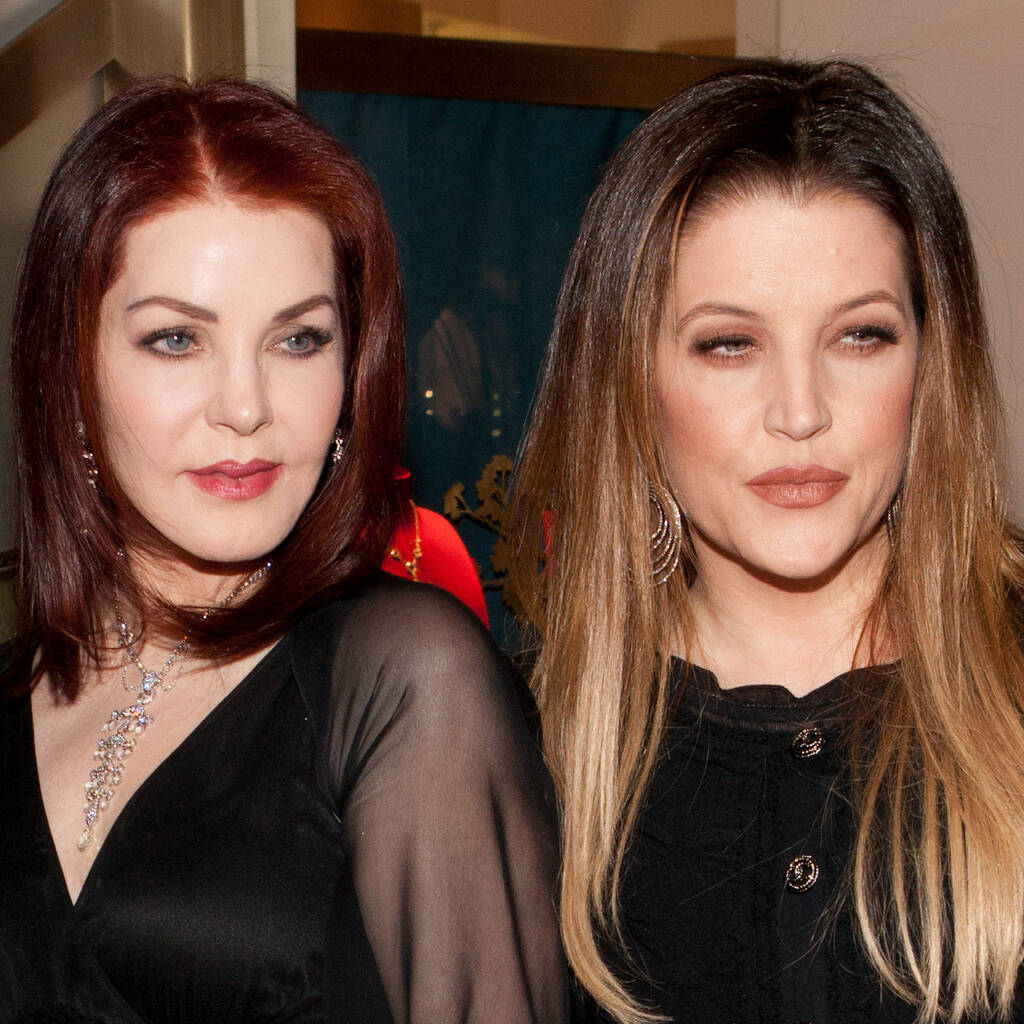
That is why the lawsuit’s language has such force. It brings an intensely private moment into a public argument about money, trust, and inheritance. Yet Lisa Marie’s final hours deserve more than a sensational phrase repeated as though it settled the matter. The known medical finding, the plaintiffs’ allegations, and Priscilla’s denial each have a different standing.
The Presley legacy has survived decades of scrutiny. This dispute asks readers to look closely again, while remembering the person at its center: Lisa Marie Presley, whose life and music should not disappear beneath an unproven claim.