Introduction
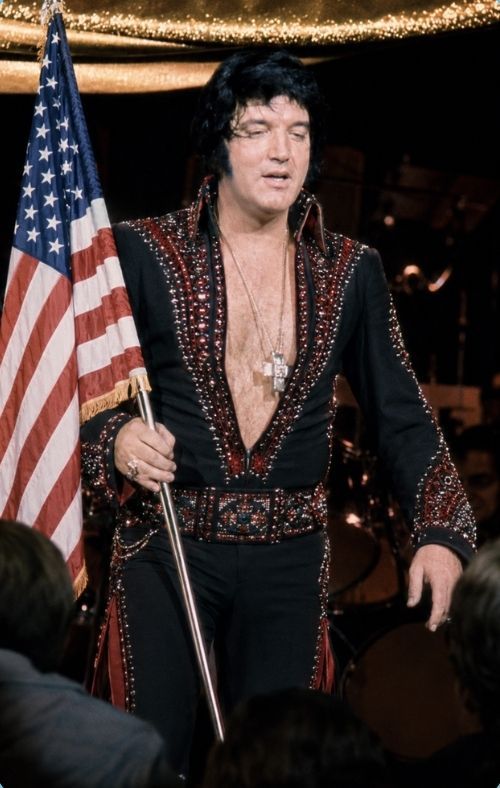
Why did Elvis Presley gain so much weight in his final years? For decades, one of the easiest explanations has been to point toward Elvis Presley’s well-known preference for rich Southern food. Yet reducing the dramatic changes in his appearance to eating habits alone overlooks a much more complicated and deeply human story. By the mid-1970s, his body was dealing with serious health problems, chronic digestive difficulties, prescription medications, exhaustion, irregular sleep, and declining physical activity. Behind the glittering jumpsuits, powerful orchestra arrangements, and the roar of sold-out audiences stood a performer whose physical condition was becoming increasingly difficult to manage.
What was really happening to Elvis behind the stage lights? The answer appears to involve several pressures working together rather than one simple cause. Elvis had spent more than two decades living at an extraordinary pace. Recording sessions, motion pictures, rehearsals, travel, personal appearances, and eventually demanding touring schedules had placed enormous strain on a man who had rarely experienced anything resembling an ordinary routine. By the 1970s, long stretches of touring were often followed by periods of extreme fatigue, making regular exercise, predictable meals, and consistent sleep increasingly difficult.
His eating habits certainly formed part of the picture. Elvis grew up with traditional Southern cooking and remained fond of filling, comforting meals throughout his life. When someone is exhausted, sleeping irregularly, and moving less than before, even familiar foods can contribute to significant physical changes. But food alone cannot adequately explain what audiences were seeing during Elvis’s final years.
Chronic digestive difficulties were another important factor. Accounts of Elvis’s health have long described persistent gastrointestinal problems, including severe constipation. Such conditions can cause considerable discomfort, abdominal swelling, and changes in how the body appears. They may also reduce a person’s desire or ability to remain physically active. When those problems are combined with irregular schedules and medication, maintaining a stable weight can become extremely difficult.
Prescription drugs further complicated the situation. Elvis was taking multiple medications during different periods of his later life, many of them prescribed for legitimate medical complaints such as pain, sleep problems, and other health concerns. Some medications can influence appetite, energy, fluid retention, digestion, or metabolism. Others can leave a patient sleepy and physically inactive. In Elvis’s case, the interaction between medication, existing illnesses, interrupted sleep, and relentless professional demands created a situation far more complicated than the popular image of a superstar simply eating too much.
There was also exhaustion. Photographs from different concerts during the 1970s reveal striking fluctuations in Elvis’s appearance. On some evenings he looked comparatively lean and energetic; at other times his face and body appeared noticeably swollen. These variations are important because they suggest that what audiences saw was not necessarily straightforward, steady weight gain. Fluid retention, medication effects, illness, inactivity, and changes in diet could all potentially influence appearance from one period to another.
Yet perhaps the most remarkable part of the story is that Elvis continued performing.
Listen to recordings from his final years and there are moments when the familiar power suddenly returns. His voice could still rise above an orchestra with astonishing authority. Songs such as “How Great Thou Art,” “Hurt,” “My Way,” and especially his late performances of “Unchained Melody” reveal something photographs alone cannot explain. Whatever physical difficulties he was experiencing, his instinct as a singer remained deeply rooted.
That contrast makes Elvis’s final chapter so compelling. The public saw the famous white jumpsuits and heard the unmistakable voice, but backstage there was an increasingly tired man attempting to fulfill enormous expectations. The concerts continued, the crowds continued arriving, and Elvis repeatedly walked beneath the spotlight even when his physical condition was visibly deteriorating.
It is therefore misleading to turn his changing appearance into a joke or a simple lesson about food. Elvis Presley’s changing weight was likely the visible result of several overlapping pressures: health problems, digestive illness, medication, disrupted sleep, reduced activity, dietary habits, and years of relentless physical and emotional strain.
Nearly half a century later, the question is worth reconsidering with greater compassion and historical perspective. Elvis Presley was not merely an image on a Las Vegas poster. He was a working musician whose body was struggling while his career demanded that he continue appearing larger than life.
And that may be the most haunting contradiction of his final years: the world expected Elvis Presley to remain “The King,” even as the man inside the legend was becoming increasingly exhausted.