Introduction
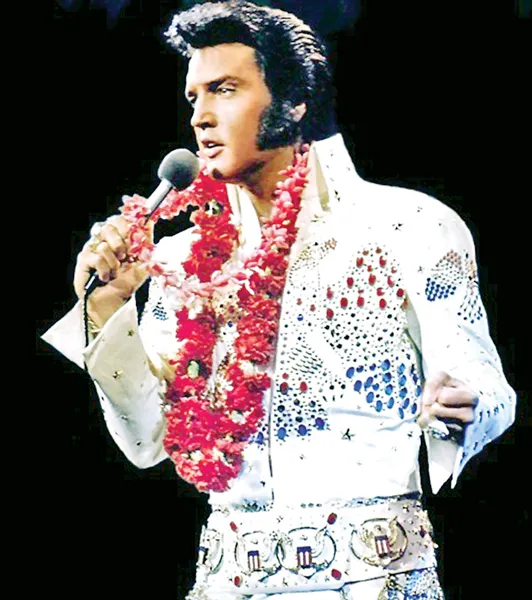
Many people still believe the answer is yes. Looking at Elvis Presley, especially during his incredible comeback in 1969, it is easy to understand why. His piercing blue eyes, perfectly styled dark hair, confident smile, and effortless charisma made him unlike anyone else. But those who knew him best always said his greatest attraction was not his appearance. It was his kindness, humility, and the warmth he showed to everyone around him.
There are certain photographs of Elvis Presley that seem almost frozen outside ordinary time. Images from the late 1960s in particular capture a man who appeared to have rediscovered not only his confidence but also his sense of purpose. After years in Hollywood, Elvis returned to serious live performance with a presence that immediately reminded audiences why he had once changed popular music almost overnight. The famous black leather outfit, the carefully styled hair, the unmistakable smile and those intensely expressive eyes created an image that remains instantly recognizable generations later.
Yet reducing Elvis Presley to physical appearance would miss the quality that made his appeal so enduring.
Thousands of handsome performers have walked onto stages since Elvis first became famous. Many possessed remarkable voices, polished appearances and commanding personalities. Very few, however, created the emotional connection Elvis seemed capable of establishing with audiences. Even when surrounded by enormous crowds, he often performed as though he were speaking directly to one person. A raised eyebrow, a quiet smile or a simple word of thanks could make an enormous auditorium suddenly feel surprisingly intimate.
That ability may explain why discussions about Elvis’s appearance eventually become discussions about his personality.
Linda Thompson once said Elvis looked “like a god,” yet she also explained that his true beauty came from the man behind the famous face. Such memories offer an important perspective on a performer whose public image became larger than life. Away from the stage lights, Elvis was remembered by many acquaintances as someone capable of remarkable generosity. Stories of gifts, spontaneous assistance and thoughtful gestures became part of his legend almost as much as his gold records and sold-out concerts.
Friends remembered how he listened with genuine interest, helped people without expecting anything in return, and never forgot the humble boy from Tupelo who dreamed of singing. That connection to his beginnings mattered. Elvis knew poverty before he knew luxury. He understood what it meant to stand outside the world of privilege and dream of something better. Even after fame transformed almost every aspect of his life, traces of that young Mississippi boy remained visible in the way he spoke about his parents, his childhood, gospel music and the people who had supported him before the world knew his name.
Perhaps that contrast was one of the secrets of his magnetism. Elvis could appear almost impossibly glamorous beneath the stage lights and yet reveal an unexpected shyness moments later. He could command an arena with extraordinary confidence before offering a modest “thank you very much” that sounded sincere rather than rehearsed. The combination made him difficult to categorize. He was simultaneously a superstar and, in certain moments, remarkably human.
His voice deepened that connection. By the late 1960s and early 1970s, Elvis possessed a richness and emotional weight that gave ballads, gospel numbers and dramatic performances remarkable authority. He did not merely look memorable. He sounded unmistakable. A few notes could identify him immediately.
That is why the fascination continues.
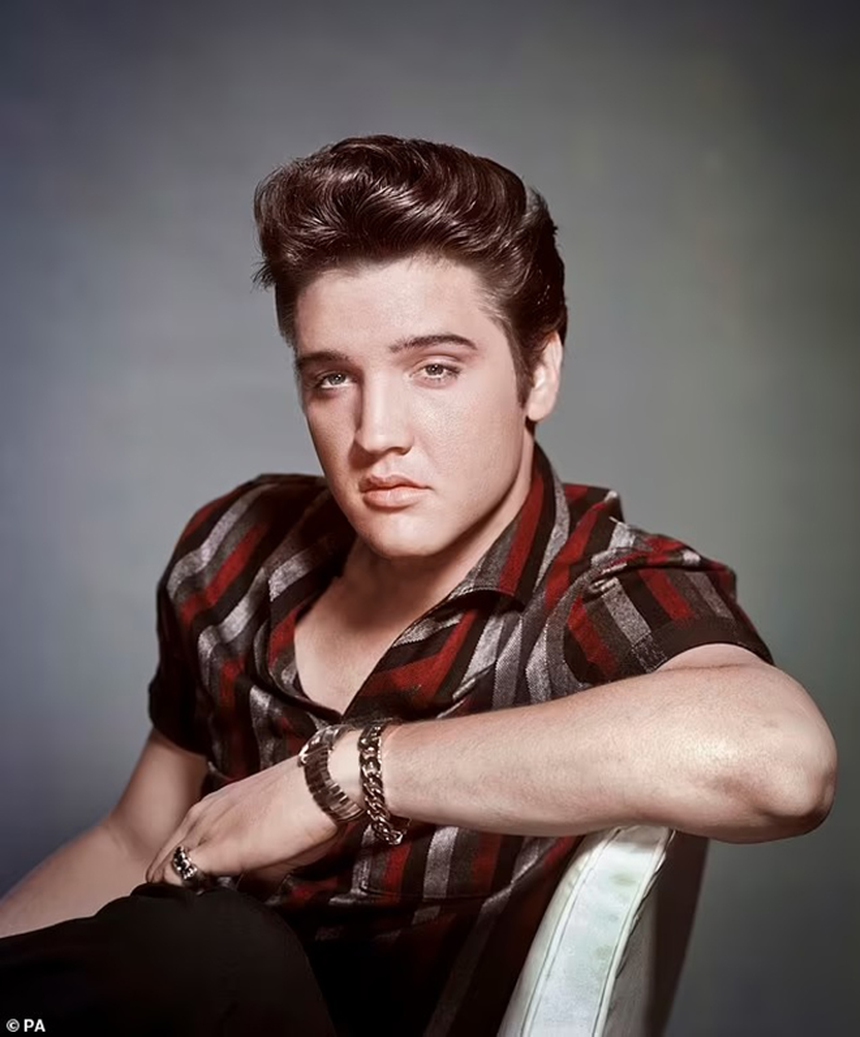
Nearly fifty years after his passing, people still admire Elvis not only because he was one of the most handsome men who ever lived, but because his voice, his heart, and his generosity made him unforgettable. Photographs naturally preserve the youthful face. Recordings preserve the voice. Concert footage preserves the movement and charisma. But memories from those who encountered him preserve something cameras could never completely capture: the impression he left upon people.
And perhaps that is the most meaningful definition of beauty.
Physical perfection belongs to a moment. Photographs age. Fashion changes. Standards of appearance shift from one generation to another. Character leaves a different kind of mark. Kindness can remain in a family’s memory for decades. Generosity becomes a story passed from parents to children. Music can return someone instantly to a particular year, room or person they once loved.
True beauty fades with time, but the way Elvis made people feel has never faded at all.
That may ultimately explain why Elvis Presley remains such an extraordinary cultural figure. People remember the face because it was remarkable. They remember the voice because there has never been another quite like it. But they continue returning to Elvis because somewhere beneath the hair, the stage clothes, the lights and the legend was a human being whose greatest gift may have been making ordinary people feel that, for a few unforgettable moments, they mattered.