Introduction
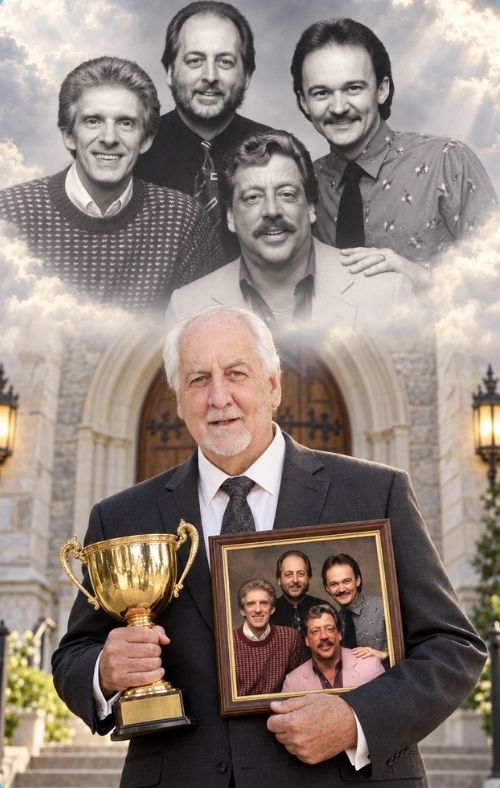
For listeners who grew up with the Statler Brothers, their music rarely felt like something heard only on a radio. It belonged to family journeys, Saturday evenings, church gatherings, and those quiet moments when an old song could bring an entire chapter of life back into focus. Their harmonies carried humor, tenderness, and an understanding of ordinary people that never needed much explanation. When the group retired from touring in 2002, many fans struggled to imagine that such a familiar presence could simply choose to stop.
The transcript accompanying “Don Reid Finally Explains What Fans Never Understood About the Statler Brothers Split” explores that lingering question. Its central theme is deeply human: after decades of performing, the men wanted time to enjoy the lives they had built. In an interview, Don Reid described retirement as an opportunity to pursue the books he had long wanted to write. His publisher likewise connects the end of the group’s traveling years with the expansion of his writing career.
For anyone who has spent a lifetime working, raising children, and postponing personal ambitions, that desire needs little translation. There comes a point when another achievement may matter less than an unhurried morning or an evening spent at home. The emotional force of this story comes from recognizing that performers experience those same wishes, even when audiences would happily keep listening forever.
To understand why their departure mattered so much, it helps to consider the character of their singing. Don Reid’s lead voice offered a clear center around which the other parts could gather. Harold Reid’s bass provided weight and personality, while Phil Balsley’s baritone helped give the blend its warm, settled foundation. The tenor tradition established by Lew DeWitt and continued by Jimmy Fortune supplied the lift that made their harmonies so immediately recognizable.

Their finest performances rewarded attention without demanding it. A phrase could sound conversational and still carry considerable feeling. A humorous passage could open the door to something unexpectedly reflective. They understood how to let a lyric reach its listener.
Songs such as “The Class of ’57,” “Do You Remember These,” and “Flowers on the Wall” also reveal how varied their musical world could be. Familiar names, remembered places, passing years, and solitary thoughts became material for songs with distinct personalities. Their appeal reached beyond nostalgia because the feelings beneath those details remained recognizable.
That is what makes the retirement story a meaningful introduction to their music. Listeners already familiar with the records may hear an added tenderness in them: an awareness that time is precious, that companionship matters, and that every season eventually asks something different of us.
Don Reid’s move toward books offers a fitting continuation. The storyteller who had communicated through melodies found more room to work on the page. His publisher describes that progression from songwriting and scriptwriting into authorship as a natural development of his creative life.
For longtime admirers, the goodbye will always carry some sadness. Yet there is dignity in the wish expressed throughout the supplied account: to return home while there was still time to enjoy being there. Listen again to the Statler Brothers, and that choice feels entirely consistent with the humanity that made their music worth keeping.