Introduction
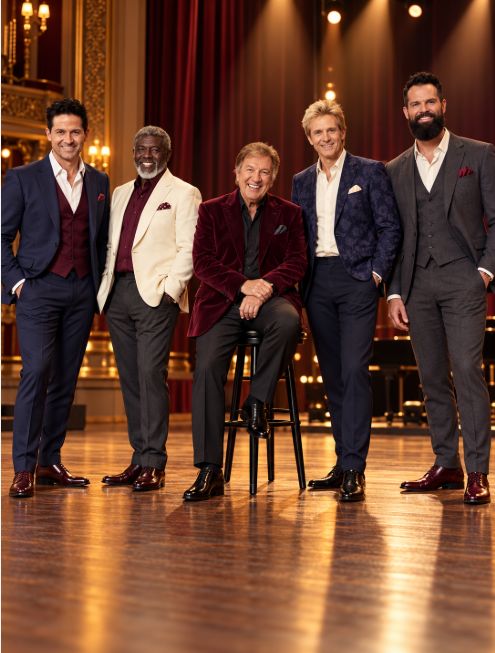
There is a particular sadness in hearing a familiar song and realizing that the voice you once expected to hear is no longer part of the group. For more than four decades, the Gaither Vocal Band has given gospel listeners performances tied to worship, family memories, and difficult seasons of life. A change in its lineup can therefore feel personal. Yet the group’s many farewells reveal something more interesting than a simple story of singers leaving: they show how a musical home can remain meaningful even as the people within it grow.
Bill Gaither built a group whose identity could survive a change of voices. That is a remarkable achievement in vocal music, where listeners often become attached to a particular blend. One singer supplies the ringing high notes; another gives the harmony its warmth; another makes the audience laugh between songs. Put them together long enough, and the arrangement begins to feel permanent. Then someone leaves, and even a beloved hymn sounds different.
The temptation is to search for a dramatic explanation. Was there an argument? Did success pull the singers apart? Individual departures deserve their own individual stories, and it would be unfair to assign every artist the same motive. Still, the demands of touring and the opportunities that follow a prominent place in the Gaither Vocal Band help explain why change has been a recurring part of its history. A singer can value the group deeply and still reach a point when solo work, ministry, creative goals, or time with family calls for a different schedule.
Consider how distinct the voices have been. Michael English brought a powerful emotional immediacy. Guy Penrod became closely associated with a much-loved era of the group. David Phelps offered extraordinary range and control, while Mark Lowry brought humor and an unmistakable presence. Russ Taff contributed to the group’s early story with a style all his own. Each gave listeners something specific to remember. Their paths also remind us that membership in a group is one chapter of an artist’s life, however important that chapter may be.
That distinction can be hard to accept from the audience. We see the concert, the smiles, and the effortless exchange of harmonies. We do not experience all the travel, preparation, and decisions that surround a performance. When a singer steps away, the listener loses a familiar part of the sound; the singer may be responding to years of changing responsibilities. Both experiences can be real at once.

The music makes those departures especially affecting. Gospel songs often accompany moments when people are looking for courage, comfort, or a way to express gratitude. Someone may remember a Homecoming performance because it played in a parent’s living room. Another may associate a harmony with a church service or a long drive through a hard year. A singer’s voice becomes attached to those memories. Its absence from the next recording can stir grief well beyond a preference for one lineup over another.
And yet change has also allowed the Gaither Vocal Band to keep making music across generations. New members bring fresh colors to familiar arrangements. Former members remain part of the group’s history, whether or not they stand in its current lineup. No single era needs to erase another for listeners to value what comes next.
Perhaps that is the most generous way to hear the group’s story. The farewells matter because those voices mattered. The continuing music matters, too. Bill Gaither’s legacy includes both: a place where distinctive singers could make something lasting together, and a body of songs strong enough to welcome the next voice when the time came.