Introduction
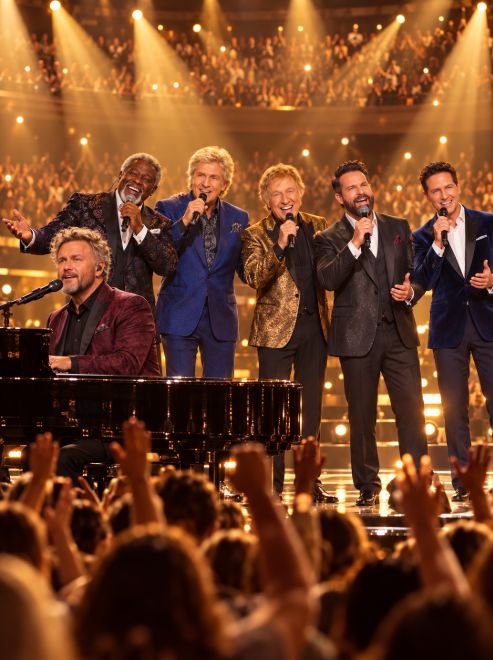
For listeners who have followed the Gaither Homecoming recordings over the years, David Phelps has a voice they recognize almost at once. His tenor can rise with astonishing force, yet its most affecting moments often come when he draws back and lets a phrase settle. Now, at 56, he is heard on a new Gaither recording, singing “These Are They” with Shane McConnell. The song is part of You Are Loved: A Tribute to the Songs of Bill & Gloria Gaither, scheduled for release on September 25, 2026.
The return carries a second surprise for longtime fans: Mark Lowry is featured on the same collection. Lowry joins Wes Hampton and Reggie Smith for “Go Ask.” Phelps and Lowry do not share a track on the published list, but their presence on one project recalls a period when their distinct personalities helped shape the sound of the Gaither Vocal Band. Phelps brought soaring intensity; Lowry brought warmth, humor, and an unusually direct way of telling a story. Both knew how to make a familiar song feel personal.
That history makes Phelps’s performance worth hearing closely. “These Are They” is a song rooted in the Gaithers’ language of faith and endurance. A singer can approach such material as a display of vocal power, but its deeper appeal lies in the people it asks listeners to remember: those who have suffered, persevered, and found hope beyond hardship. Phelps has the range to fill a room. What makes his singing compelling here is the possibility of hearing that strength serve a song about lives larger than the performer’s own.
The album’s wider idea is equally meaningful. Bill and Gloria Gaither have written songs that many listeners have carried through church services, family gatherings, difficult years, and times of celebration. You Are Loved brings more than 250 Homecoming artists together to revisit that catalog. Alongside Phelps and Lowry, its track list includes songs such as “Because He Lives,” “Something Beautiful,” “He Touched Me,” and “I Am Loved.” These titles may sound familiar enough to be taken for granted. Returning to them with different voices gives listeners a reason to notice what each song has meant across generations.
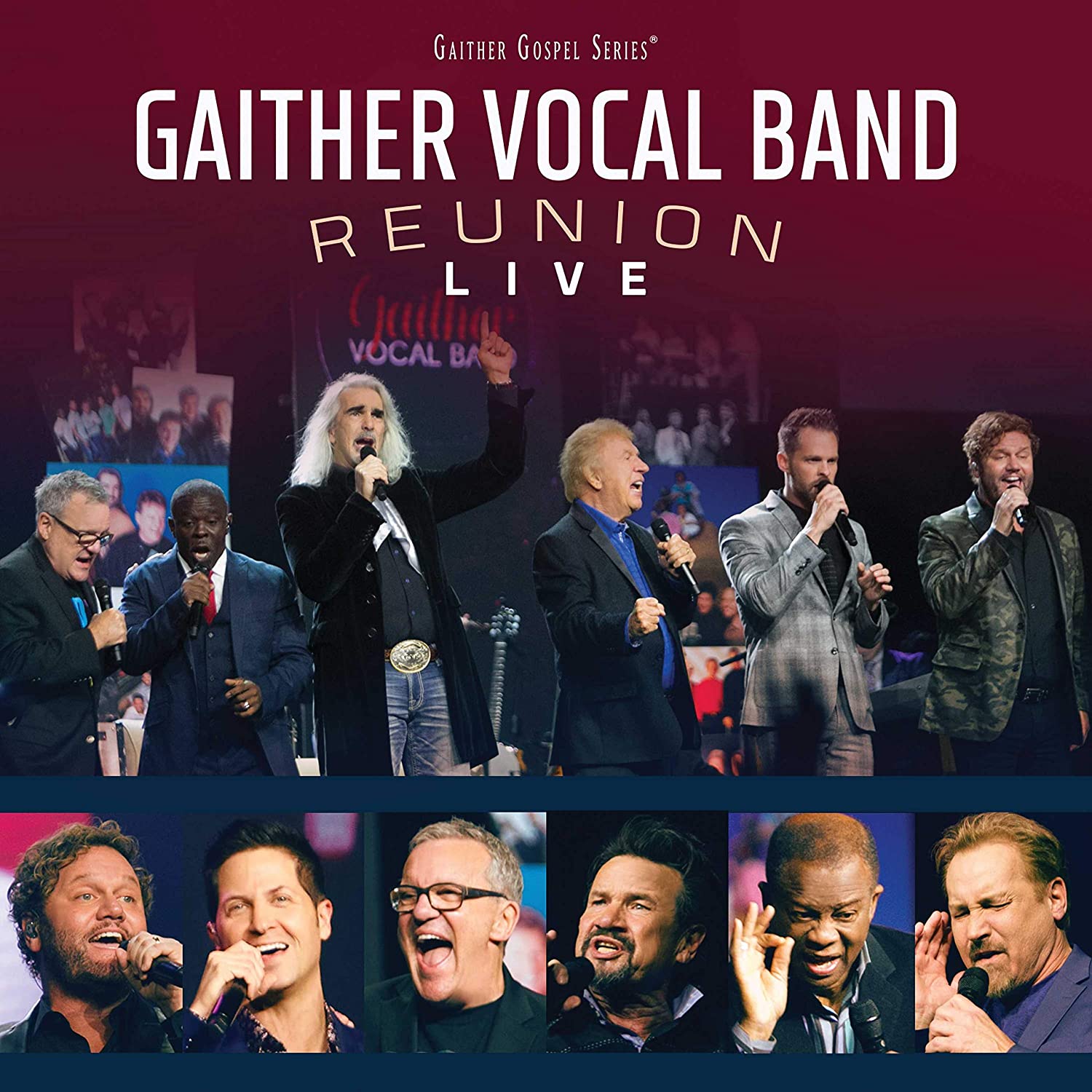
There is a particular pleasure in hearing a veteran singer return to music that helped define an earlier chapter of his career. The listener remembers the voice as it was, then meets it in the present. Time may change an artist’s choices: where to press a note, where to leave space, and how much emotion a quiet line can carry. That is the human interest in Phelps’s appearance. It invites us to listen to a song, while also hearing the years that stand behind it.
The published credits establish a recording reunion, not a new Gaither Vocal Band lineup or tour. That is enough. In “These Are They,” Phelps and McConnell give a Gaither song another life; elsewhere on the collection, Lowry lends his own voice to the same body of work. For listeners who grew older with these recordings, their return offers something more lasting than the thrill of seeing familiar names together: a chance to hear familiar music anew.