Introduction
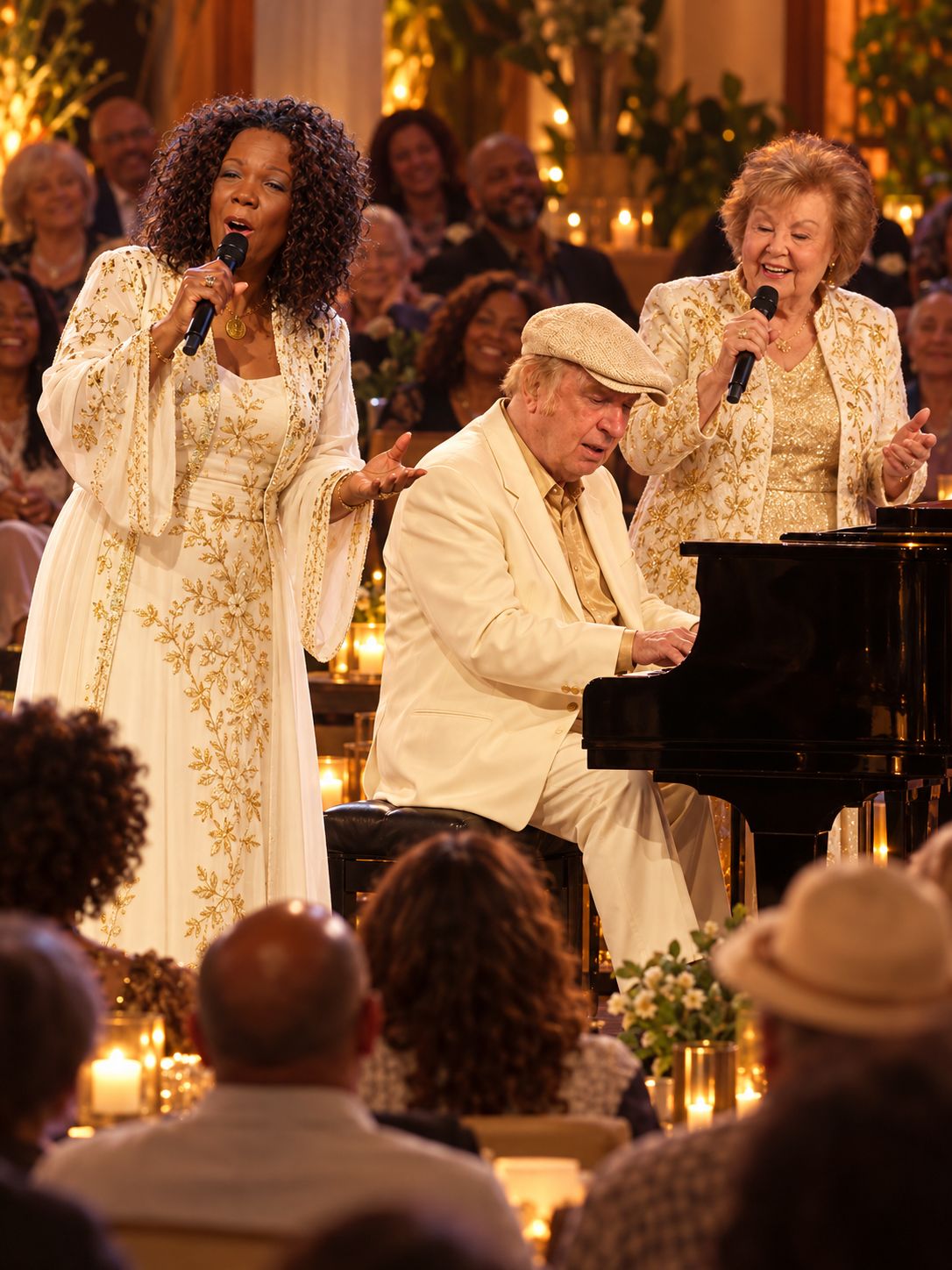
Some gospel songs meet us in moments of celebration. Others become companions when life grows difficult and the answers we once trusted seem harder to find. “God On the Mountain,” presented in the Bill & Gloria Gaither musical tradition and featuring Lynda Randle, belongs to that second, deeply meaningful category. Its strength lies in a message that requires little explanation yet invites a lifetime of reflection: changing circumstances do not have to mean the loss of an enduring faith.
Lynda Randle has a close association with this song. Gaither’s official catalog identifies “God On the Mountain” as the title track of her 2005 album and notes that her performances in the Homecoming videos helped make it popular. That connection matters because the song suits the warmth and gravity of her musical character—a voice capable of offering reassurance without making hardship sound small.
At the center of the song is the familiar contrast between the mountain and the valley. The mountain represents those seasons when gratitude comes readily: the family is well, the future seems manageable, and prayer feels as natural as breathing. The valley introduces uncertainty, disappointment, and the uncomfortable discovery that confidence can be fragile. Through these images, the song expresses its central Christian conviction: God’s presence remains constant through both joy and adversity.
be
For older listeners, that contrast may carry considerable personal weight. After enough years, most people understand that a life cannot be measured only by its happiest chapters. There are difficult conversations, empty places at the table, responsibilities that arrive without warning, and plans that quietly change. A song such as “God On the Mountain” offers room for those experiences. Its reassurance is especially moving because listeners can bring their own memories to it rather than having every emotion explained for them.
As an interpretation, Randle’s rich, grounded voice gives the message a sense of human closeness. Her lower register suggests steadiness, while the warmth of her phrasing makes the song feel conversational. The emotional appeal comes from the relationship between that reassuring vocal character and the vulnerability contained in the words. One hears a declaration of belief, but also an invitation to keep going when belief requires effort.
The live presentation gives that invitation an additional dimension. Gospel music can become particularly affecting when a personal statement of faith is offered within a shared gathering. The listener is drawn into the possibility of belonging—of hearing a familiar truth alongside others who may have needed it for very different reasons. Within the Gaither Homecoming setting, this song fits a tradition of music that values testimony, fellowship, and the sustaining power of a message carried from one generation to another.
Musically and emotionally, its accessibility is essential. The recurring central idea gives listeners something to return to, much as a familiar prayer can provide a point of steadiness during an unsettled day. Repetition here serves a purpose beyond memorability: each return allows the message to settle more deeply. What first sounds like a simple assurance can gradually become a thoughtful examination of where faith finds its strength.
Ultimately, Bill & Gloria Gaither – “God On the Mountain” [Live], featuring Lynda Randle, offers a moving introduction to gospel music’s capacity for consolation. It asks listeners to consider what remains dependable when life changes around them. For anyone who has known both gratitude and uncertainty, its appeal is easy to understand: sometimes the song we need most is the one that helps us take the next step with a little more courage.