Introduction

Kacey Musgraves pays tribute to Dolly Parton with MTV VMAs performance—a phrase that describes the occasion, but hardly its emotional weight. At the 2026 MTV Video Music Awards, Musgraves honored Parton with a rendition of “I Will Always Love You.” The tribute opened with footage of Dolly singing before Musgraves carried the song forward. For a few minutes, an awards show built around spectacle made room for remembrance.
It was a meaningful choice of song. “I Will Always Love You” has the shape of a farewell, yet its heart is generous. Its message is that leaving someone does not erase affection or gratitude. Heard after Parton’s death, those words take on another meaning: a singer can be gone, while the care she put into a song remains available to anyone who needs it.
Musgraves approached that responsibility with restraint. Rather than trying to reproduce Parton’s unmistakable voice, she let the melody and the words carry the moment. The piano-led arrangement gave her room to sing with clarity. It also gave listeners room to remember the voice they had heard in the opening footage. That passage from Dolly’s recording to Kacey’s performance was the tribute’s most moving idea: one artist’s song finding life in another artist’s hands.
For older listeners, the performance may have brought back more than memories of a familiar record. Dolly Parton’s music has accompanied ordinary passages of life for decades: long drives, family gatherings, difficult departures, and mornings when a cheerful song made the day easier. Her gift was to write in plain language without making the feelings seem small. She could offer comfort while acknowledging that some things cannot be repaired.
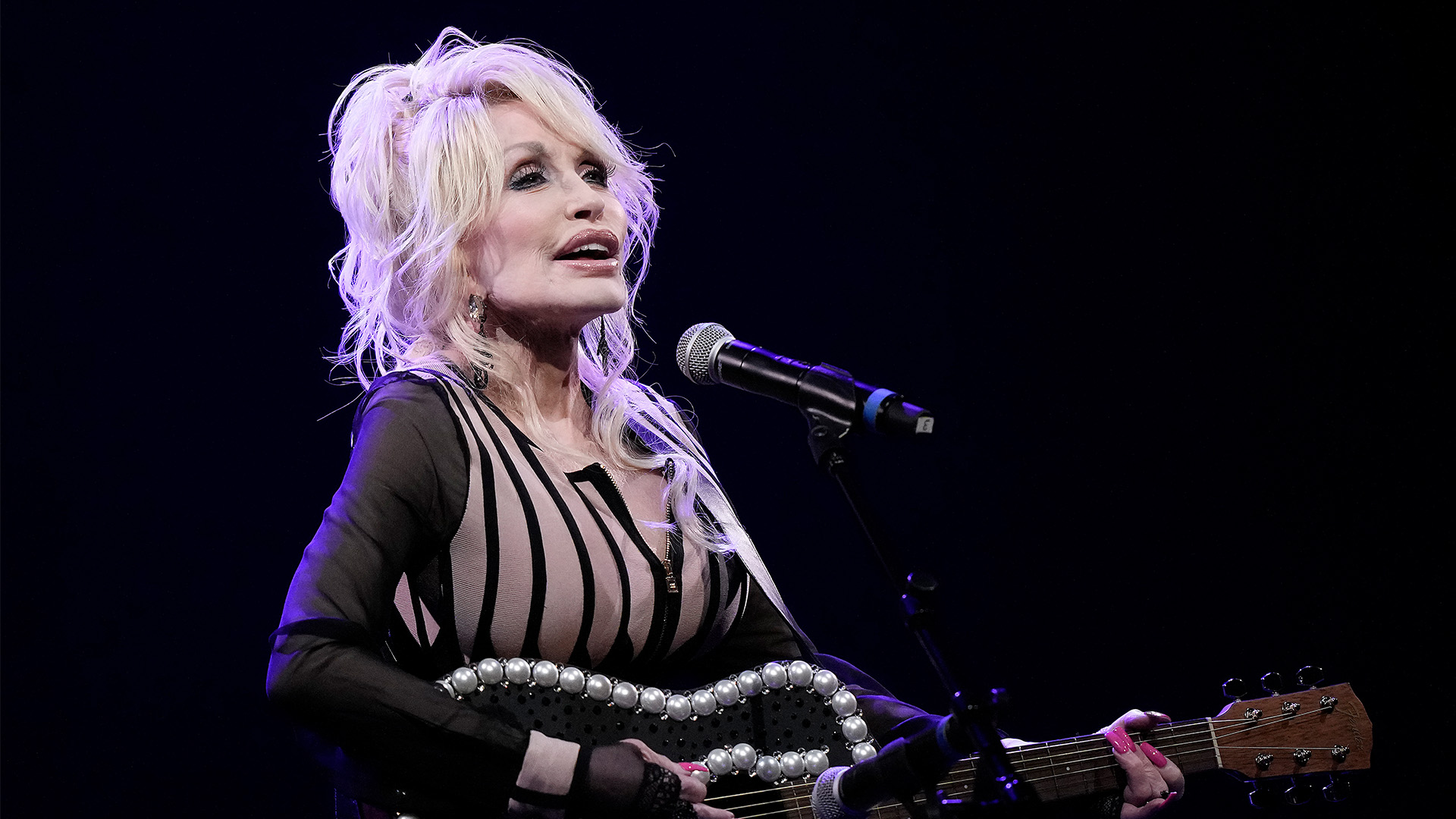
That quality helps explain why Musgraves was a compelling choice for this tribute. She, too, understands the force of an understated line. Her best performances often leave a thought suspended just long enough for listeners to recognize something of their own lives in it. Singing Dolly’s song at the VMAs, she appeared to trust that the audience already knew whom they had come to honor. The performance did not need to tell them what to feel.
The setting made that trust especially striking. Country songs do not always receive such a quiet hearing on a major pop awards broadcast. Yet Parton’s work has long reached beyond the boundaries of any one genre. The VMA tribute reflected that reach without asking the song to become something else. Its familiar melody, direct language, and tender sense of parting were enough.

There is sadness in watching a younger artist sing a song so closely associated with someone we have lost. There is comfort in it, too. Musgraves could not give the audience another Dolly Parton performance. What she could do was listen closely to what Dolly had made and offer it back with care. On a night devoted to the newest images in music, that simple act reminded viewers how long a beautifully written song can endure.