Introduction
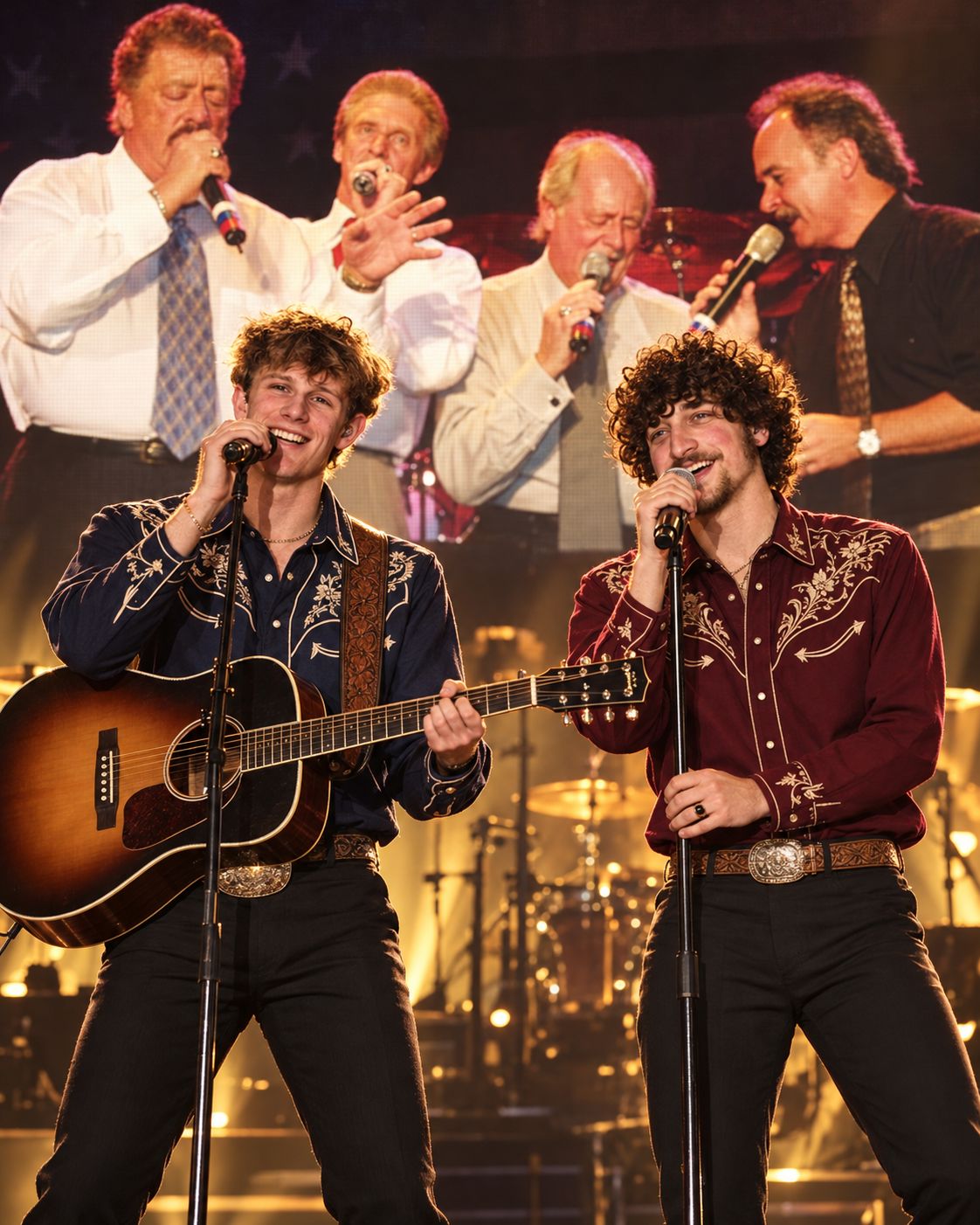
For many longtime country music listeners, The Statler Brothers represent something deeply personal: familiar voices on the radio, evenings spent with family, and songs that seem to remember the people we once were. For Jack and Davis Reid, however, that celebrated musical heritage began with ordinary family moments. Before they understood what those harmonies meant to America, they knew the men behind them as their grandfathers—companions on errands, familiar faces around the dinner table, and people whose fame mattered far less than their presence.
That distinction gives their story its warmth. In the supplied radio interview, Jack Reid describes a childhood in which music was simply part of everyday life. School talent shows, theaters, and festivals felt natural because performing was what his family did. Only later, as he and Davis began meeting listeners themselves, did he fully appreciate the emotional weight their family name carried.
Jack and Davis Reid, cousins who grew up as close friends, also belong to the next chapter of the Wilson Fairchild family tradition. Yet their musical partnership did not arrive through a carefully arranged plan. According to Jack, he had spent years trying to persuade Davis to sing with him, without much success. The turning point came when Jack accepted an invitation to perform Christmas music downtown and wanted someone beside him.
He suggested that Davis could provide a little rhythm—even on a shoebox. Then Davis called him over with something unexpected to share: he had learned to play “Saturday in the Park.” As Jack remembers it, a modest holiday engagement suddenly opened the door to a partnership neither cousin had fully anticipated. It is an appealing beginning because it contains the ingredients that often make lasting musical relationships work: friendship, curiosity, encouragement, and the pleasure of discovering what another person can do.
For listeners raised on classic country, the most intriguing part of their approach may be the balance between musical inheritance and individual identity. Jack explains that their performances include Statler favorites, original material, and influences drawn from country music of the 1970s through the 1990s, alongside older rock. The interviewer hears echoes of The Everly Brothers, while Jack acknowledges that others have mentioned The Louvin Brothers. Those comparisons suggest a tradition in which the relationship between voices matters as much as the strength of an individual singer.
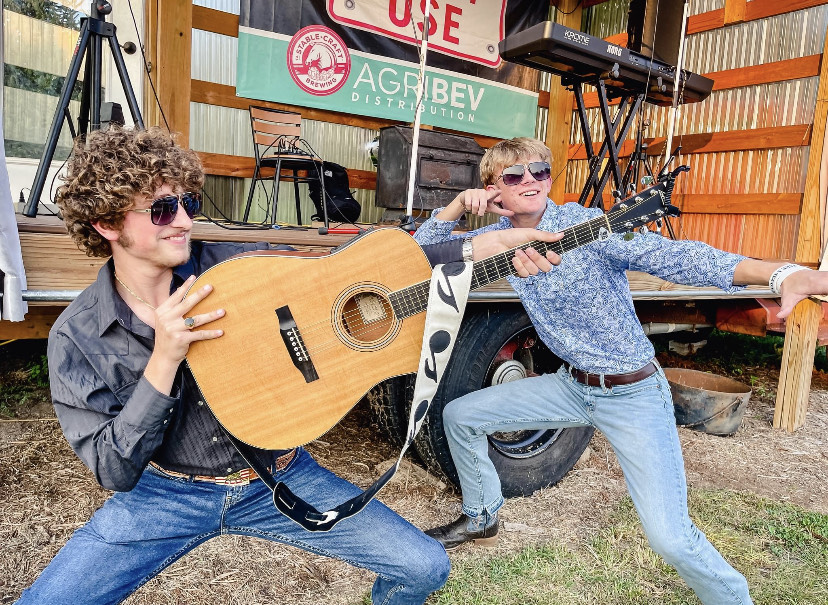
But this interview is not a close examination of one particular recording. Its real subject is what happens when a younger generation discovers that familiar family music has become part of strangers’ lives. Jack describes performing with their fathers and occasionally joining together in four-part harmony. Afterward, listeners sometimes approach them in tears. What might feel like a family musical moment onstage can carry decades of memory for someone standing in the merchandise line.
There is humor here, too, and it deserves attention. Jack’s easy jokes and his insistence that audiences should feel free to laugh reveal an understanding of entertainment that extends beyond singing accurately. Their stated goal is to involve the crowd and send people away smiling. For an audience that remembers country shows as evenings of songs, stories, and shared laughter, that promise has considerable appeal.
Perhaps the most meaningful advice Jack recalls from his father and grandfather is also the simplest: be yourself. Sing about what you understand. Write from experience. Allow listeners to decide whether they connect with it.
That principle gives Jack and Davis Reid a compelling place within their family’s continuing story. The famous name may encourage people to listen, but their own warmth, humor, and musical choices must sustain the connection. In this conversation, the strongest invitation is to hear two cousins discovering how much a song can mean—first at home, and then to everyone who carries it home with them.