Introduction
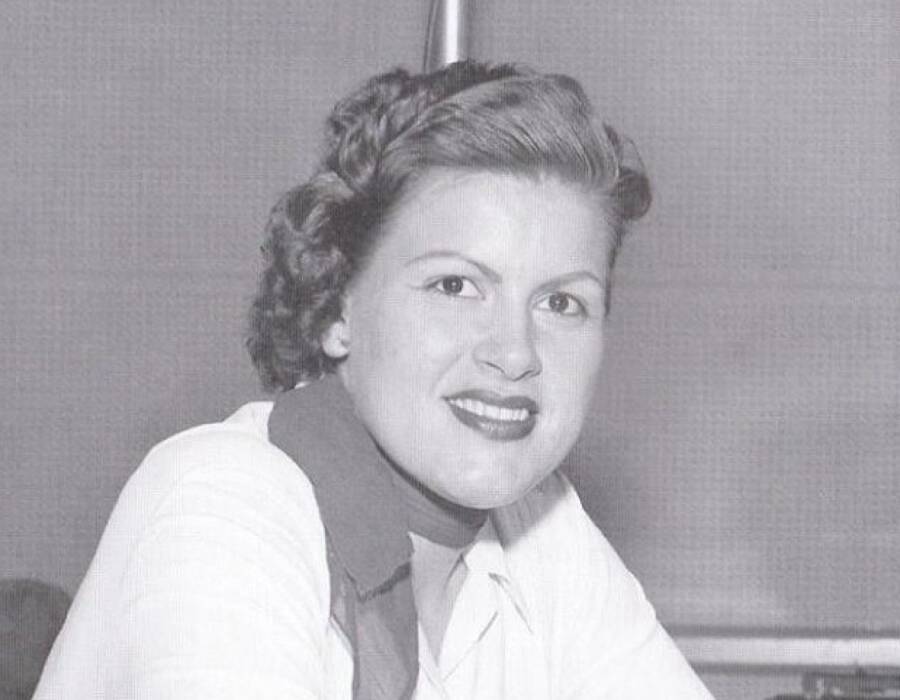
Few voices in American music history carry the emotional weight, elegance, and lasting influence of Patsy Cline. Born Virginia Patterson Hensley in Winchester, Virginia in 1932, she rose from modest beginnings to become one of the most important singers country music has ever produced. Her career was brief, but her impact was enormous. More than sixty years after her passing, her recordings still sound remarkably alive — polished, heartfelt, and deeply human.
Patsy Cline, born Virginia Patterson Hensley in Winchester, Virginia in 1932, was a pioneering country music singer who helped shape the Nashville Sound by blending country and pop music. That sentence captures the foundation of her legacy, but it only begins to explain why she remains unforgettable. Patsy did not simply sing country songs. She expanded what country music could sound like. With rich orchestration, smooth arrangements, and a voice capable of both strength and tenderness, she helped carry the genre beyond regional boundaries and into the hearts of mainstream America.
At a time when female artists often faced narrow expectations, Patsy Cline brought authority, confidence, and emotional intelligence to every performance. She had a rare ability to sound both vulnerable and powerful in the same line. When she sang, the listener did not feel as though she was performing a role. They felt she was telling the truth.
Cline’s hits, including “Walkin’ After Midnight”, “I Fall to Pieces”, and “Crazy”, became national successes in the 1950s and 1960s. Each of these songs revealed a different side of her artistry. “Walkin’ After Midnight” introduced her smoky charm and restless longing. “I Fall to Pieces” showed her ability to transform heartbreak into graceful restraint. “Crazy,” written by Willie Nelson, became one of the most admired recordings in country music history because Patsy gave it a sophistication that still feels timeless today.
What made her voice so special was not only its beauty, but its emotional precision. She knew when to lean into a phrase and when to hold back. She could make a simple lyric feel like a private memory. Older listeners often recognize in her music the sound of a more patient era — a time when songs were built around melody, meaning, and the unmistakable character of a singer’s voice.
Her influence also reached far beyond the studio. She was the first female artist to headline her own show and to be inducted into the Country Music Hall of Fame. These milestones matter because they show how deeply she changed the place of women in country music. Patsy Cline was not merely a successful singer. She was a trailblazer who opened doors for generations of women who followed.
Today, her legacy continues because her music does not feel trapped in the past. It still speaks to love, loss, dignity, memory, and resilience. For educated and mature listeners, Patsy Cline represents something increasingly rare: artistry with grace, emotional honesty without excess, and a voice that could turn three minutes into a lifetime of feeling.
That is why Patsy Cline remains more than a name in country music history. She remains a standard — a reminder of what happens when talent, courage, and truth come together in one unforgettable voice.