Introduction
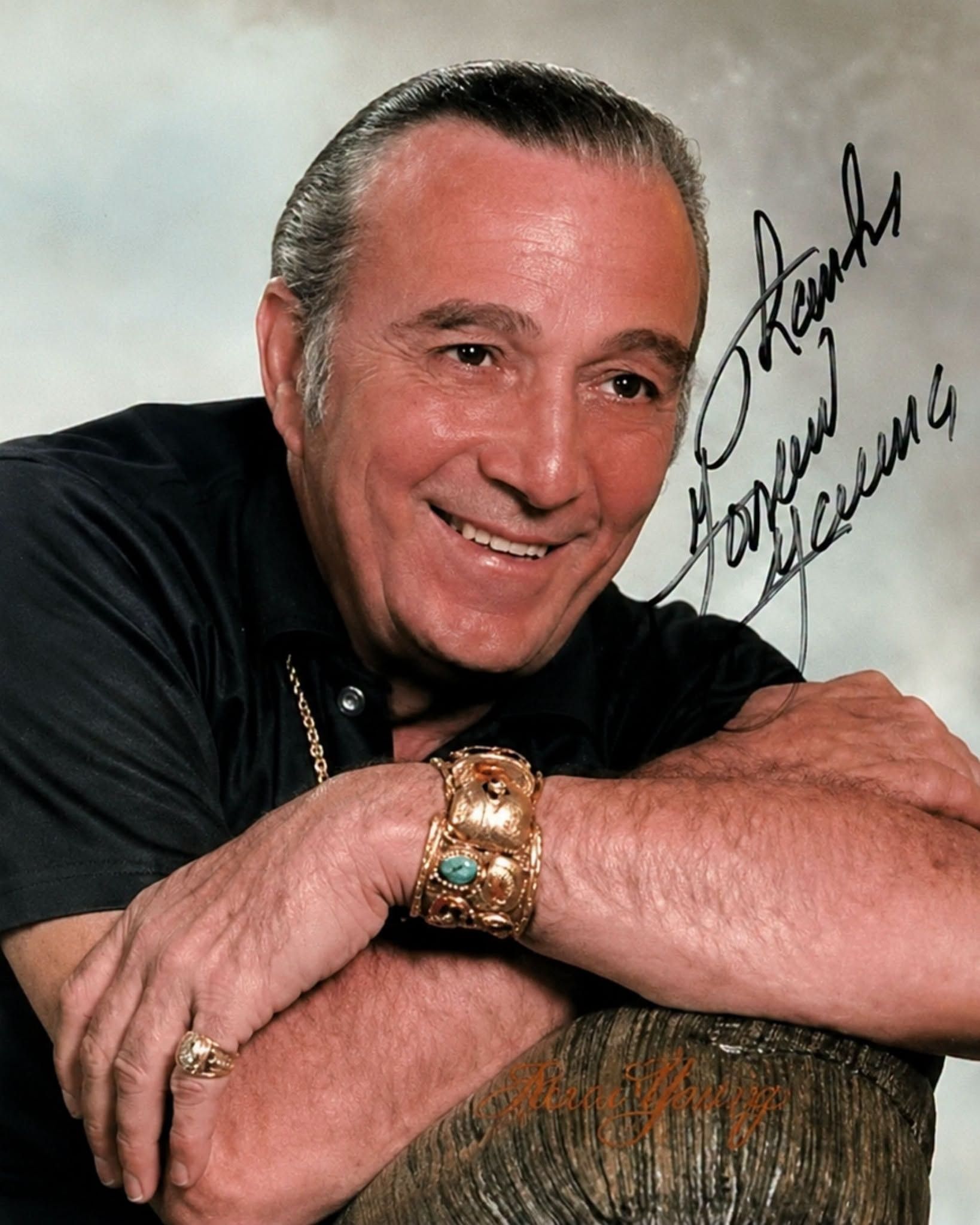
THE FIRST VIDEO CMT EVER PLAYED WAS FARON YOUNG SINGING “IT’S FOUR IN THE MORNING.” THIRTEEN YEARS LATER, HE DIED BELIEVING COUNTRY MUSIC HAD MOVED ON WITHOUT HIM.
When Country Music Television began broadcasting in 1983, the first music video it introduced to viewers was Faron Young performing “It’s Four in the Morning.” It was an appropriate beginning. Few singers represented the confidence, elegance, and restless energy of traditional country music more completely than Young. His performance carried the sound of another Nashville era—an era built around jukeboxes, radio towers, crowded dance halls, sharp suits, and singers whose voices could make an ordinary line feel like a private confession.
Yet there is a painful contrast hidden inside that historic distinction. The artist whose image helped open CMT’s first broadcast would eventually feel increasingly distant from the industry he had helped create. Thirteen years after that landmark television moment, Young died in Nashville at the age of sixty-four. By then, country music had entered a new commercial age, and one of its most recognizable pioneers reportedly believed that the world had moved ahead without him.
Faron Young had never entered a room quietly. Raised in Shreveport, Louisiana, he emerged from the influential Louisiana Hayride with talent, ambition, and a personality too large to be ignored. Known as the “Young Sheriff,” he brought a polished boldness to honky-tonk music. His voice could sound playful, wounded, commanding, or deeply lonely, sometimes within the same performance. He did not merely sing country songs; he gave them movement and character.
In 1955, “Live Fast, Love Hard, Die Young” reached No. 1 and established Young as more than another promising performer. It gave him an identity that followed him throughout his career: energetic, fearless, and unwilling to fade politely into the background. Six years later, “Hello Walls” became one of his defining recordings. Written by a then-struggling Willie Nelson, the song helped introduce Nelson’s extraordinary songwriting to a national audience while giving Young another major success.
“Hello Walls” revealed something essential about Faron Young’s artistry. Beneath the public swagger was a singer capable of expressing loneliness without exaggeration. Speaking to the walls, the window, and the ceiling of an empty room, the narrator tries to disguise heartbreak with conversation. In Young’s hands, the unusual idea never became a novelty. He sang it with enough restraint to make the emptiness believable.
A decade later, “It’s Four in the Morning” returned him to the top of the country chart. Written by Jerry Chesnut, the song unfolds during that uneasy hour when darkness has not ended and morning has not truly begun. It is a song about regret, divided loyalties, and the consequences of choices that can no longer be ignored. Young’s delivery is controlled and mature. He does not force the emotion. Instead, he allows the melody and the words to settle slowly, giving listeners room to recognize their own disappointments within the story.
That recording became one of the greatest achievements of his career. It also became the performance through which a new television network chose to announce itself. For viewers watching CMT’s first moments, Faron Young represented country music not as a museum piece, but as a living tradition worthy of its own national screen.
Young’s importance extended far beyond his records. He appeared in films and on television, invested in publishing, supported songwriters, and co-founded Music City News, a publication that became an important voice within the country community. He understood Nashville as both an artistic home and a working business. For many years, he was not standing outside the machinery of country music. He was helping to operate it.
However, the industry that celebrates youth, momentum, and new sounds can be unforgiving to the artists who built its foundations. As the decades passed, Young’s chart success slowed. Radio formats changed. New stars arrived with different production styles, different public images, and different relationships with the audience. His long marriage to Hilda ended, and his health declined. The unmistakable voice that had once poured from radios and jukeboxes across America was no longer the sound commercial country stations were urgently seeking.
By the 1990s, Nashville had become larger, wealthier, and more polished than the city Young had first entered. Country music was reaching enormous new audiences, but some of its older architects were being pushed toward the edges of the conversation. For a performer as proud and active as Faron Young, that loss of relevance must have been especially difficult. The silence surrounding a once-famous voice can be heavier than applause ever was.
On December 9, 1996, Young died by suicide in Nashville. His death remains a tragic reminder that professional achievement does not protect a person from illness, despair, or isolation. It should not be reduced to a dramatic ending or treated as the final definition of his life. His legacy belongs in the recordings, the writers he encouraged, the institutions he helped build, and the generations of singers who benefited from the country music world he helped shape.
Four years after his death, Faron Young was inducted into the Country Music Hall of Fame. The honor confirmed what his finest records had already proven: he was not a temporary star and not merely a colorful figure from Nashville’s past. He was one of the voices that gave postwar country music its confidence, humor, sorrow, and unmistakable personality.
The industry did remember him. The sorrowful truth is that its most permanent public recognition arrived after he could no longer hear it. Today, when “It’s Four in the Morning” begins and Young’s voice returns with effortless clarity, the years seem to fall away. The singer CMT chose first is still there, standing beneath the lights, reminding us that country music’s history is not only a record of changing styles. It is also a record of human beings who gave everything they had to be heard—and who deserved to know, while they were still here, that listeners had never truly stopped listening.