Introduction
There’s something quietly heartbreaking about the story behind one of Patsy Cline’s final recordings. On the surface, “Back in Baby’s Arms” is a bright and reassuring country song about two people putting their differences behind them. Yet when the circumstances surrounding its recording and release are remembered, its cheerful message takes on a deeper and more haunting meaning.
Written by songwriter Bob Montgomery, the song captured the simple, hopeful feeling of reconciling after a fight — the relief of returning to someone you almost lost. Its story is easy to understand because it speaks to an experience shared by many people. Pride has been set aside, harsh words have lost their power, and the distance between two hearts has finally disappeared. Instead of dwelling on bitterness, the song celebrates forgiveness and the comfort of being welcomed home.
In Patsy Cline’s hands, that familiar story became something special. Her voice carried confidence without sounding forceful and tenderness without becoming overly sentimental. She possessed the rare ability to make a carefully arranged studio recording feel like a private conversation. Every phrase appeared natural, as though she were not simply performing the song but remembering the emotions herself.
Cline recorded her version with her usual warmth and confidence, never knowing it would become one of the last songs tied to her voice. That knowledge changes the way many listeners hear the recording today. The lively rhythm remains, and the lyrics still express happiness, but beneath the surface there is an unavoidable sense of farewell. Her voice sounds wonderfully present, yet history reminds us how little time remained.
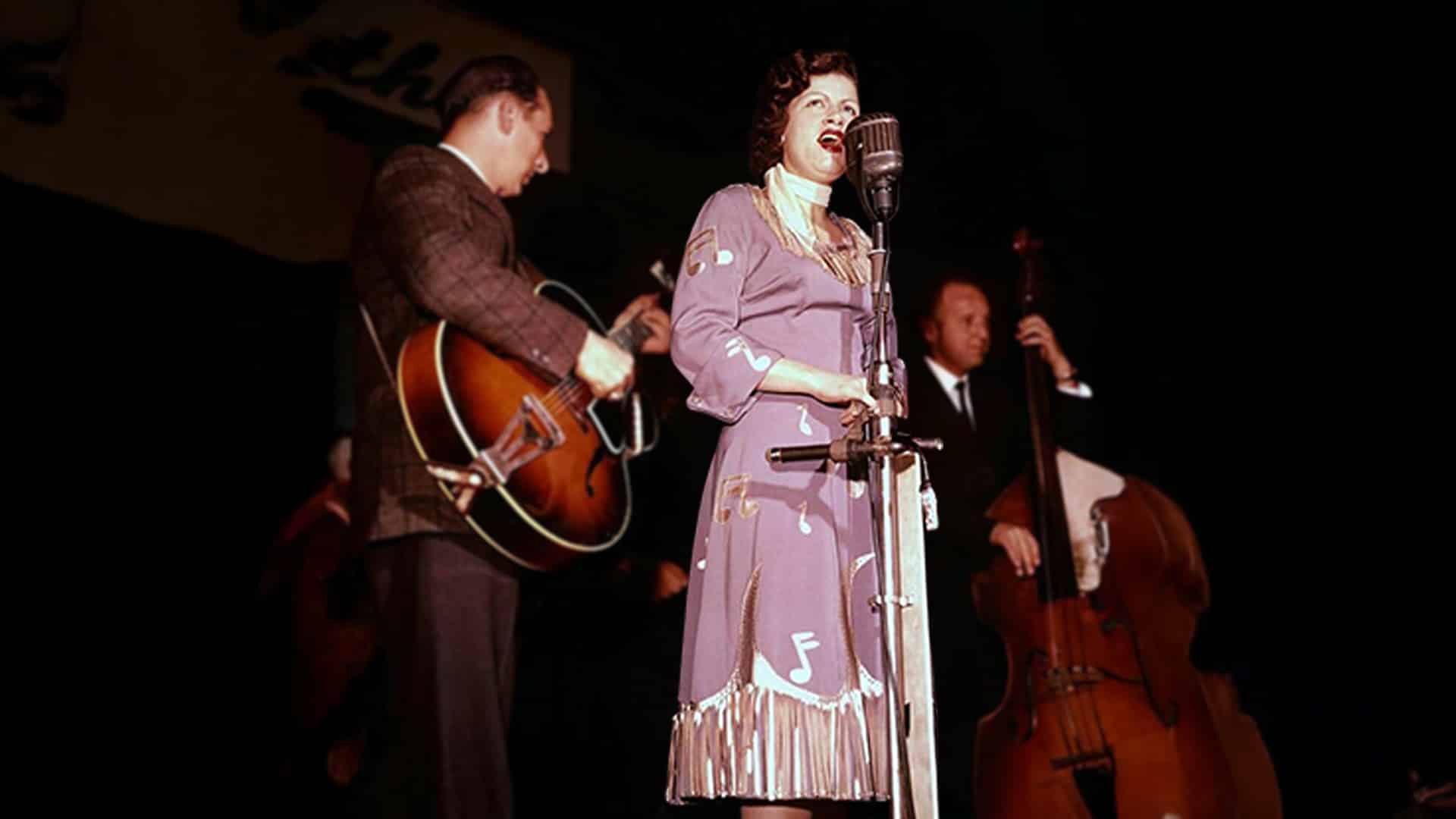
Just weeks after she finished the recording, Cline was killed in a tragic plane crash in March 1963, cutting short a career that was still climbing toward even bigger success. She had already overcome serious personal and professional difficulties and had established herself as one of the most distinctive voices in American popular music. Her ability to move comfortably between country and pop arrangements suggested that her influence would continue expanding for many years.
The tragedy of her passing was therefore not only the loss of a celebrated singer. It was also the loss of all the recordings she might have made, the stages she might have commanded, and the artistic directions she might have explored. Patsy Cline had reached remarkable heights, but there was every reason to believe that even greater achievements were still ahead of her.
The single was released only weeks later, in April 1963, turning what was meant to be a simple love song into something far more emotional for the fans who heard it for the first time after her passing. Listeners were no longer hearing an ordinary story of reconciliation. They were hearing the familiar voice of an artist who could never return to the studio, step onto another stage, or greet her audience again.
This contrast gives “Back in Baby’s Arms” its lasting emotional power. The arrangement moves forward with optimism, while the history behind it encourages reflection. It is a recording filled with happiness that arrived during a season of mourning. Few songs illustrate so clearly how circumstances can transform the meaning of music without changing a single word or note.

Even today, visitors who walk through the small museum dedicated to her life in Nashville often mention how this particular recording feels different, knowing the timing behind it. Photographs, costumes, personal objects, and career memorabilia can tell the story of Patsy Cline’s life, but her voice remains the most powerful connection. Recordings such as this one allow each new generation to encounter not merely a famous name from country music history, but a living and emotionally immediate presence.
Her performance also reminds us why Patsy Cline’s influence has endured. She did not depend on elaborate vocal displays to command attention. Her greatness came from phrasing, restraint, clarity, and an instinctive understanding of the emotional center of a song. She could make strength sound gentle and vulnerability sound dignified. That balance remains difficult to imitate.
It’s a song about coming home to love — released just as the world was saying goodbye to the woman who sang it. That painful irony has followed “Back in Baby’s Arms” for more than six decades. The song promises reunion, comfort, and another chance, while its history tells us that some goodbyes cannot be reversed.
Perhaps that is why the recording continues to touch listeners so deeply. It allows Patsy Cline to return whenever the music begins. For a few precious minutes, the tragedy recedes, the years disappear, and her unmistakable voice is once again full of warmth, assurance, and life.

Curious how Cline’s voice carries that bittersweet timing? Listen closely not only to the words, but also to the calm confidence behind them. What begins as a cheerful song of reconciliation gradually reveals itself as something more lasting: a final reminder that while a life may end unexpectedly, a truly unforgettable voice can always find its way home.