Introduction
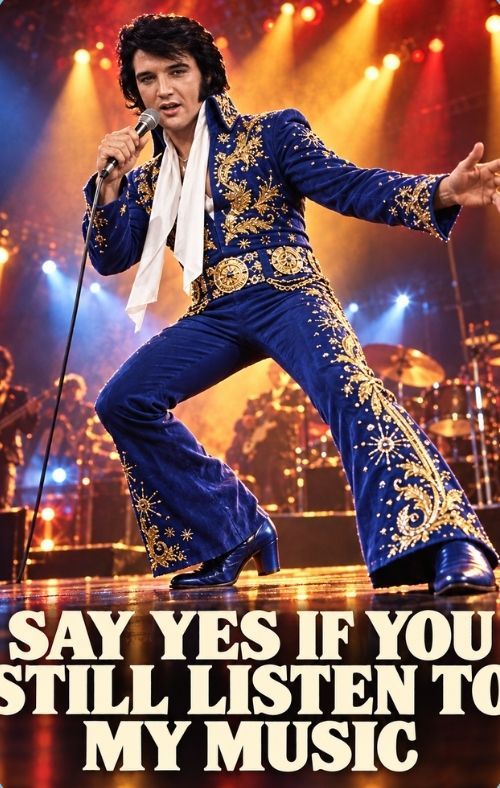
Some songs announce their meaning with a dramatic opening. Others draw us in with a pleasant melody, then quietly reveal that something is wrong beneath the surface. Elvis Presley – (You’re The) Devil In Disguise belongs to that second, wonderfully memorable category. It is lively, polished, and immediately appealing, yet its cheerful sound carries a story about disappointment, mistaken trust, and the unsettling discovery that appearances can deceive.
For listeners who grew up with Elvis on the radio, this recording brings back a particular pleasure: hearing a familiar voice turn a simple popular song into a performance full of personality. For those discovering it later, the appeal is just as clear. Here is a singer who understands how to tell a story without weighing it down. He gives us surprise, frustration, and a touch of humor, all within a brisk and beautifully shaped musical setting.
The song’s most effective feature is the contrast between its gentle introduction and its more forceful refrain. At first, Elvis Presley sings with an easy warmth, allowing the melody to suggest admiration and confidence. Then the mood changes. The rhythm becomes more insistent, and his delivery gains a sharper edge as the narrator recognizes the difference between what he believed and what he has experienced. That shift gives “(You’re The) Devil In Disguise” its dramatic spark. We hear the realization taking shape in the voice itself.
Elvis handles this change with impressive restraint. He does not need to shout or overstate the narrator’s disappointment. A change in emphasis, a firmer attack on a phrase, and a slightly knowing tone are enough. His performance reminds us that expressive singing is often a matter of proportion: understanding which words deserve weight and when a lighter touch will make the story more convincing.

The backing voices are equally important to the recording’s character. They help create its bright, sociable atmosphere while reinforcing the chorus with a memorable sense of lift. Against that polished background, Elvis remains unmistakably at the center. The arrangement moves with confidence, giving the song energy without crowding the vocal or obscuring its narrative.
For an older listener, the subject may feel familiar in a broader sense. Most of us eventually learn that charm and sincerity are not always the same thing. A reassuring manner can conceal unreliable intentions, and first impressions sometimes need revision. “Devil in Disguise” turns that ordinary human lesson into something tuneful and surprisingly enjoyable. Its disappointment is recognizable, but the performance keeps it from becoming bitter.
There is also something refreshing about the recording’s economy. Every musical change serves a purpose. The gentle opening establishes the illusion; the stronger refrain breaks it; the recurring melody makes the discovery linger. Nothing requires a lengthy explanation because the relationship between the words, rhythm, and vocal delivery communicates so much.
Ultimately, Elvis Presley – (You’re The) Devil In Disguise endures because it balances storytelling with sheer listening pleasure. Beneath its buoyant surface lies a small drama of trust reconsidered, delivered by a singer whose timing and character remain compelling. It is a reminder that Elvis could make a warning sound irresistible—and leave listeners smiling even as they recognized the truth behind it.