Introduction
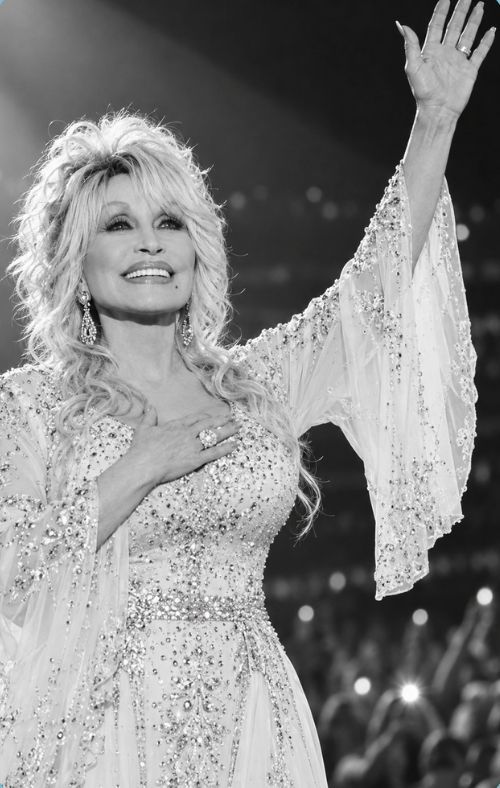
There are certain voices we assume will always be somewhere in the world, singing through a radio, appearing on a television screen, or offering a familiar word of encouragement when life feels uncertain. Dolly Parton possessed one of those voices. Her passing marks more than the end of an extraordinary musical career. It closes a remarkable chapter in American cultural history—one written with melody, humor, generosity, faith, determination, and an uncommon ability to make millions of strangers feel personally welcomed.
Global icon and humanitarian, Dolly Parton, known to the world as a beloved singer, songwriter, philanthropist, actress, playwright, and author died peacefully today in Nashville, Tennessee. She was 80 years old. For admirers who followed her journey from the mountains of East Tennessee to the greatest stages in the world, those words are difficult to absorb. Dolly seemed to belong to that rare category of entertainer who had somehow moved beyond fame itself. She was not simply a celebrity people watched; she became part of family memories, road trips, weddings, Sunday afternoons, old record collections, and songs passed quietly from one generation to another.
For seven decades, Dolly proved that a beautifully written song could carry the weight of an entire life. Songs such as “Coat of Many Colors,” “Jolene,” and “I Will Always Love You” endured because beneath their memorable melodies stood a songwriter who understood ordinary human emotion with extraordinary clarity. She could write about leaving, belonging, hardship, gratitude, ambition, family, and hope without making those subjects feel artificial. Her greatest songs sounded less like performances than conversations with someone who understood.
Yet measuring Dolly Parton only by records sold, awards received, or songs written would leave much of her story untold. Her public life was equally distinguished by generosity. Vanderbilt University Medical Center remembered her after her death for decades of support that contributed to pediatric care, infectious-disease research, and other medical work. Her literacy efforts also placed books into the hands of children on a scale few entertainers could ever have imagined.
Behind that enormous public life was also a deeply private devotion. Dolly is preceded in death by her beloved husband of 59 years Carl Thomas Dean (1942–2025), her mother Avie Lee Caroline Owens (1923–2003), and father, Robert Lee Parton, Sr. (1921–2000). Carl Dean spent most of their marriage far from the spotlight, creating one of the fascinating contrasts in Dolly’s life: one partner became internationally recognizable while the other preferred privacy. Through decades of extraordinary fame, their marriage remained one of the enduring foundations of her personal story.
Perhaps this is why Dolly’s passing feels unusually intimate even to people who never met her. She understood how to be spectacular without becoming unreachable. The rhinestones, elaborate costumes, unmistakable hair, and quick humor were part of the presentation, but underneath them stood a remarkably disciplined songwriter and a woman who never appeared embarrassed by where she came from.
A rhinestone life that shone bright enough for the world to see, indeed—but the brightness was never limited to the stage.
What survives now is something more durable than celebrity. Dolly Parton’s legacy is one of love, compassion, and resilience. Her songs remain available to every future listener who discovers that a melody written decades earlier can somehow explain a feeling they are experiencing today. Her charitable work will continue touching families who may know little about country music. And generations of performers will continue studying the remarkable way she combined artistic independence, business intelligence, humor, and humanity.
With a seven-decade career, she inspired multiple generations of artists and fans with her music and an unwavering commitment to making the world a better place. Few descriptions capture her significance more completely.
The stage may now be quieter, but Dolly Parton did not leave silence behind. She left songs. She left stories. She left books in children’s hands and opportunities in communities that mattered to her. She left generations of musicians who learned from her courage as a songwriter. Most importantly, she left an example of what can happen when enormous ambition is accompanied by enormous generosity.
The rhinestones may no longer catch the stage lights, but the woman who wore them built something far more lasting.
Her songs will continue to resonate with people of all ages, and her philanthropic work will have a lasting impact.
For Dolly Parton, perhaps that is the most fitting final measure of a remarkable life: the music continues, the kindness continues, and somewhere, someone who never had the privilege of meeting her will still feel as though Dolly was singing directly to them.