Introduction

Willie Nelson is now the only one left to sing the harmonies that four men built together on a tour bus back in 1985. Whenever he performs a song connected to The Highwaymen, listeners hear more than an aging country legend revisiting an old success. They hear the surviving voice of a remarkable brotherhood—four fiercely independent artists who discovered that sharing the spotlight did not diminish their individuality. Instead, it made each of them sound even stronger.
When Waylon Jennings, Johnny Cash, Kris Kristofferson, and Willie Nelson recorded their first album together, they were already towering figures in American music. Each man possessed a voice that could be recognized within seconds. Cash brought biblical gravity and an unmistakable sense of authority. Jennings carried the restless defiance of the outlaw movement. Kristofferson sang with the thoughtful weariness of a poet who understood disappointment. Nelson’s fragile, behind-the-beat phrasing made every lyric feel intimate and deeply human.
They should have been too different—and perhaps too famous—to function as a group. Yet that tension became the source of their power. They traded verses in the spotlight and shared stories during long overnight drives across the country. Their performances did not feel like carefully manufactured collaborations. They resembled conversations among old friends who had survived the unpredictable machinery of Nashville and earned the right to sing without asking anyone’s permission.
The recording of “Highwayman” gave this brotherhood its defining anthem. Written by Jimmy Webb, the song follows one enduring spirit through several lives: a highwayman, a sailor, a dam builder, and a traveler beyond the atmosphere. In the hands of these four singers, the composition became something larger than its original story. Each verse seemed perfectly matched to the man delivering it, while the final harmony suggested that no voice—or friendship—truly disappears.
The inevitable decline of that era began with the death of Waylon Jennings in 2002 following years of serious health struggles. The surviving members understood that he could not simply be replaced. Waylon had not occupied a position that another singer could inherit; he had brought a history, temperament, and sound that belonged to him alone.
Years later, when Shooter Jennings stepped toward a microphone to sing his father’s verse during a tribute performance, the emotional meaning was unmistakable. A son was not attempting to become his father. He was carrying one small but sacred part of the song forward. As the spotlight found him, the familiar words became a bridge between generations—and a reminder of the chair that could never truly be filled.
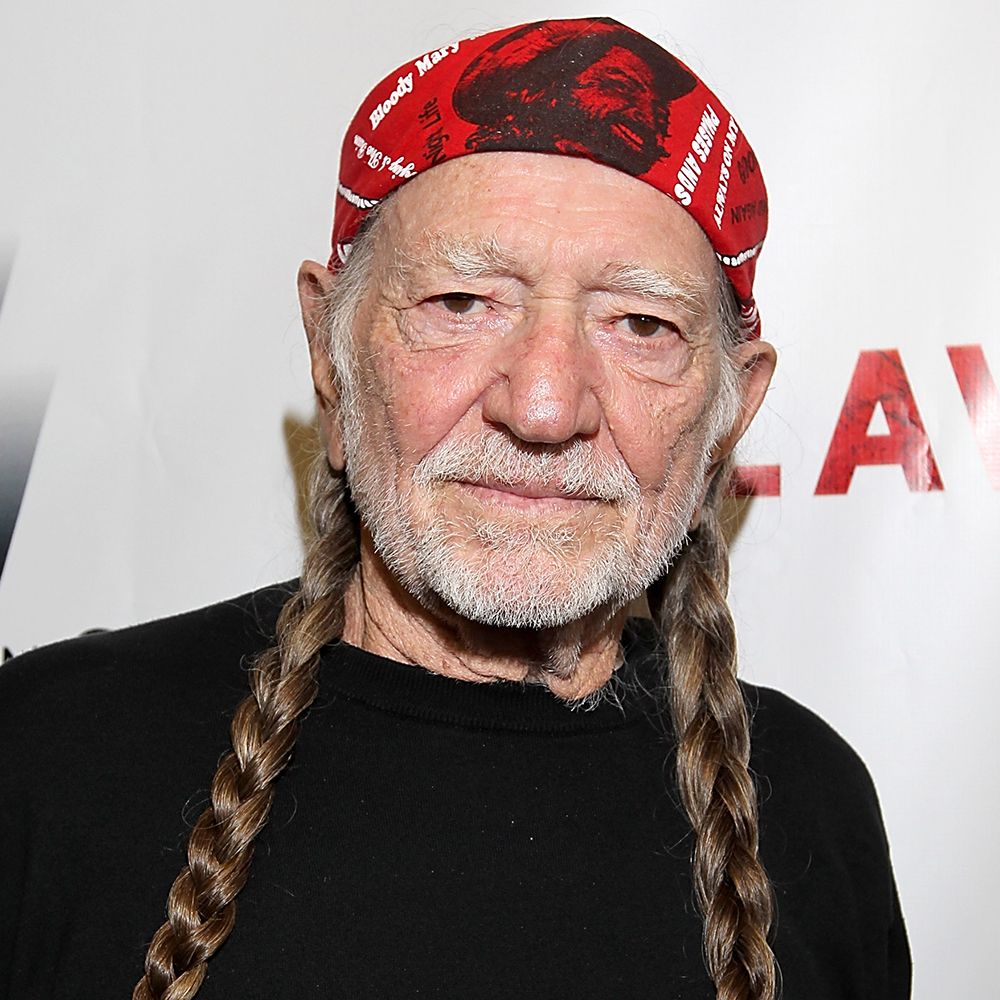
Johnny Cash died the following year, leaving behind one of the most commanding voices in American culture. With his passing, The Highwaymen became less a continuing group than a living memory. Then, in 2024, Kris Kristofferson joined Jennings and Cash, transforming the quartet’s once-lively fellowship into a legacy now carried by a single surviving member.
Today, Willie Nelson continues to perform with the accumulated weight of those absent voices beside him. He does not need theatrical gestures to remind audiences of what has been lost. A familiar guitar introduction, a slight pause before a verse, or the mention of an old friend can make the empty spaces seem suddenly visible.

The detailed history of how these fiercely independent artists first decided to share a single stage reveals what kept them united for so long. It was not merely commercial success, rebellion, or nostalgia. It was respect. They understood one another’s scars, admired one another’s survival, and recognized that the road felt less lonely when traveled together.
That is why The Highwaymen remain important. Their music preserves a rare vision of friendship among men who never surrendered their individual identities. And whenever Willie sings those harmonies today, he is not standing completely alone. Somewhere inside the song, Waylon, Johnny, and Kris are still answering him—one unforgettable verse at a time.