Introduction
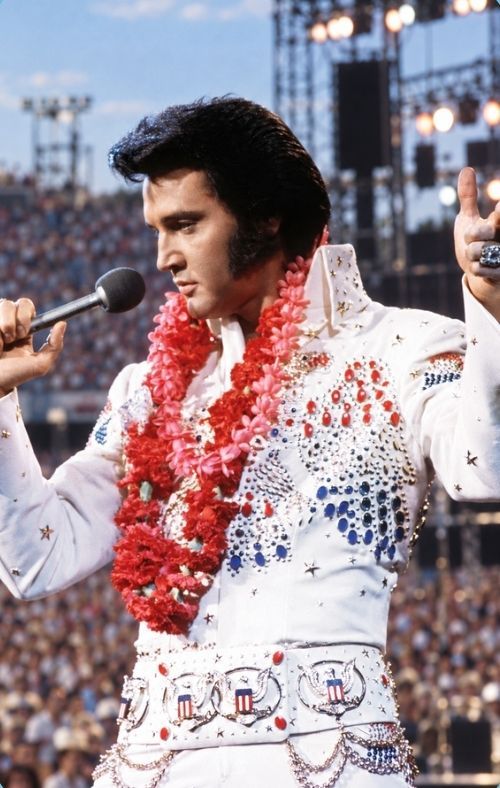
Some songs remain with us because they recall a happy season of our lives. Others endure because they ask a question we have never quite managed to answer. Elvis Presley – In the Ghetto belongs to that second, more troubling category. Beneath its gentle melody lies a story about poverty, childhood, and the consequences of looking away. Even after repeated listening, its sadness retains an unsettling intimacy: we hear about a life unfolding at a distance, yet somehow feel that it concerns us personally.
Written by Mac Davis and released as a single in 1969, “In the Ghetto” emerged from Elvis’s return to recording in Memphis. It also appeared on From Elvis in Memphis, an album that offers a compelling setting for this thoughtful performance. Elvis’s official archive describes the song as a choice whose social commentary caused concern even within his own circle. That context makes the tenderness of his delivery especially meaningful. He approached a difficult subject with remarkable sensitivity.
The narrative follows a child born into hardship in Chicago. His mother already struggles to provide for her family, and the boy grows up facing hunger, limited opportunities, and an increasingly dangerous world. As the story moves toward its tragic conclusion, the listener is invited to consider how early neglect can shape an entire life. The ending returns us to another birth, suggesting that the same pattern may begin again.
What gives the recording its emotional authority is Elvis Presley’s restraint. He allows the story to develop at its own pace, giving each phrase enough space to register. There is sorrow in his voice, but also a steady, almost conversational warmth. He sounds like someone asking us to pay attention to a person whose suffering might otherwise pass unnoticed.
The arrangement supports that approach beautifully. The gentle guitar figure establishes a sense of movement, while the fuller accompaniment and supporting voices gradually deepen the atmosphere. The melody is immediately accessible, which makes the difficult narrative all the more affecting. A listener can be drawn in by the beauty of the music before fully realizing the weight of the story.
For older listeners, “In the Ghetto” may also prompt reflection on the years between first hearing it and hearing it again today. Experience changes the way we understand its central figures. A mother’s exhaustion, a child’s vulnerability, and a community’s failure to intervene can feel more immediate after decades of watching families struggle, raising children, or witnessing opportunities distributed unevenly.

There is room, too, to recognize the song’s limitations. A brief popular ballad cannot explain every cause of poverty or represent every life within a struggling neighborhood. Its power rests in the attention it asks us to give one imagined child. The narrative opens a door to reflection rather than providing a complete account of a complex social problem.
That is why Elvis Presley – In the Ghetto remains such a rewarding recording to revisit. Its musical grace holds us close to a story we might find easier to avoid. When the final notes fade, the most lasting impression is the fragile possibility that someone’s life could have unfolded differently—if help, understanding, and opportunity had arrived in time.