Introduction
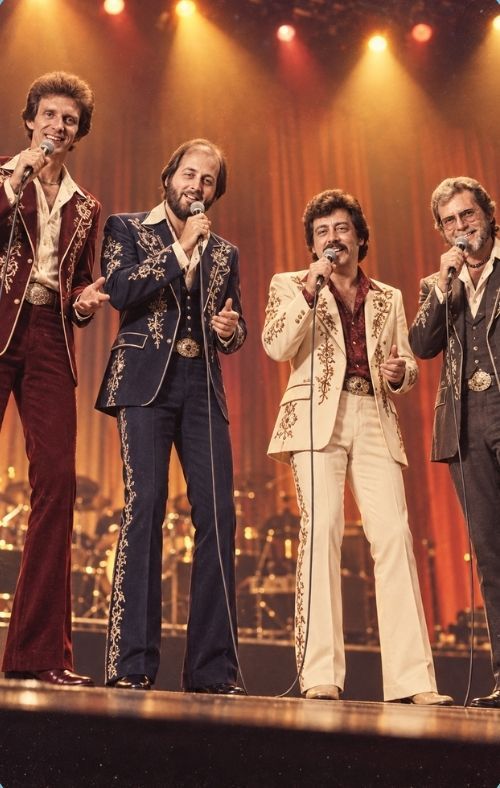
Some songs bring back a particular summer, a familiar road, or the sound of a radio playing in the kitchen. Others remind us of the people who made difficult years easier to bear. The Statler Brothers – “I’ll Be The One” belongs comfortably in that second company. Its appeal rests on a promise most of us understand more deeply as we grow older: being there for someone means more than finding the right words. It means giving those words a life through patience, loyalty, and everyday care.
Written by Don Reid and Debo Reid, and released in 1987 on Maple Street Memories, “I’ll Be The One” reached number 10 on the US Billboard Hot Country Songs chart. That success gives the recording its place in the group’s history, but the reason to return to it is musical and personal. The song offers the reassuring pleasure of voices working together, carrying a straightforward sentiment with warmth and conviction.
For The Statler Brothers, harmony was an essential part of storytelling. Their blended sound could make a declaration feel supported, as though the feeling expressed by one voice had found understanding in the others. In “I’ll Be The One,” that quality suits the central idea particularly well. A promise of dependable companionship gains emotional weight when delivered through singing that itself depends on cooperation, balance, and careful listening.
The title is simple, but it invites a thoughtful question: what does it take to be the person another human being can count on? Early in life, such a promise may sound easy. With experience, we recognize the responsibility it carries. There are disappointments to weather, ordinary obligations to meet, and moments when affection must express itself through attention rather than eloquence. Heard from that perspective, “I’ll Be The One” has a quiet seriousness beneath its approachable country sound.
The songwriting benefits from that directness. Don Reid and Debo Reid give the listener an idea that requires little explanation, leaving the performance room to establish its emotional credibility. A song built around reassurance needs singers who can make familiar language feel considered. The Statlers’ vocal blend helps achieve that: the pleasure of the sound encourages us to linger over a sentiment we might otherwise take for granted.
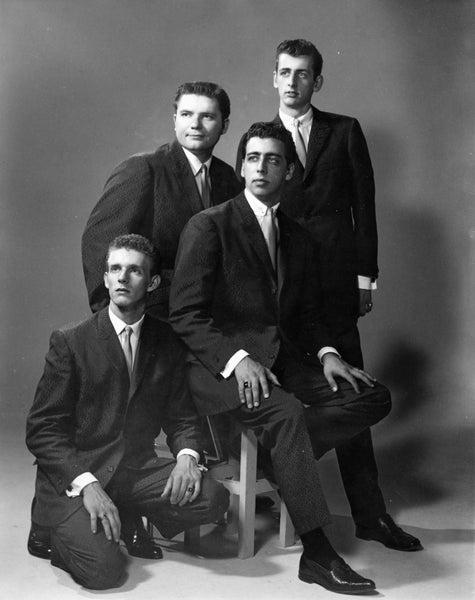
For older listeners, this can be especially meaningful. Years of friendship, marriage, and family life teach us to value consistency. We remember who called when the news was difficult, who stayed to help, and who understood when conversation became impossible. Those experiences can deepen our response to a song about being present. The recording leaves room for such memories without demanding that every listener bring the same story.
There is also considerable enjoyment in listening simply for the harmony. Notice how the voices contribute to the character of the performance, giving it both familiarity and emotional depth. The group’s distinctive sound makes the song welcoming, while the promise at its center gives that welcome a purpose.
“I’ll Be The One” deserves another listen because its subject remains part of daily life. We still need people whose assurances we can trust, and we still hope to offer that trust to others. The Statler Brothers turn that enduring wish into a song whose warmth feels earned—a reminder of how much a modest promise can mean when someone is prepared to keep it.