Introduction
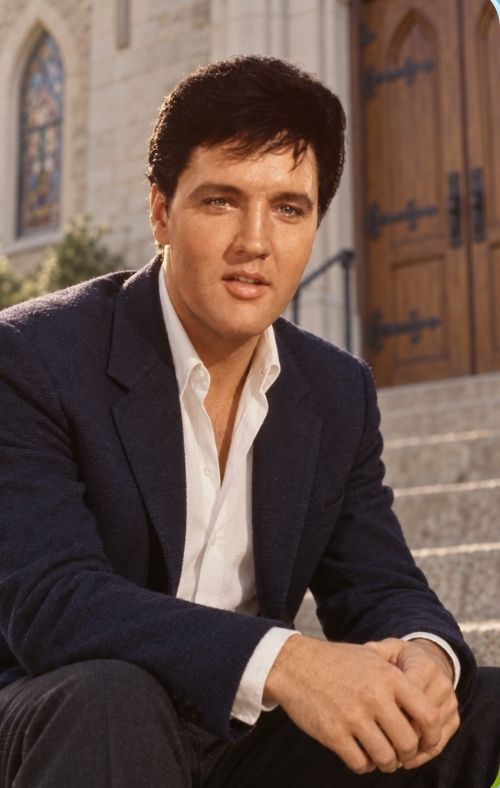
Elvis Presley did not simply become a famous man. He became a presence the world could never quite forget. From the moment he stepped beneath the stage lights, something in the atmosphere changed. His voice carried authority, tenderness, danger, and longing, often within the same song. His movements appeared instinctive, his confidence seemed effortless, and the intensity of his gaze could make an enormous auditorium feel strangely intimate.
Audiences did not merely observe Elvis; they responded to him emotionally. They screamed, laughed, cried, and sometimes stood completely still, trying to comprehend what they had witnessed. Long before the age of social media, his performances traveled through television screens and radio speakers with a force that turned a young singer from Tupelo, Mississippi, into an international phenomenon.
What made Elvis extraordinary was not simply his voice or appearance. It was his ability to bring several American musical traditions together without stripping them of their emotional power. He carried the spiritual conviction of gospel, the sorrow and strength of the blues, the storytelling honesty of country music, and the excitement of rhythm and blues into the center of popular culture. He did not invent these traditions, but he absorbed them deeply and introduced their energy to an audience that had never encountered such a combination in one performer.
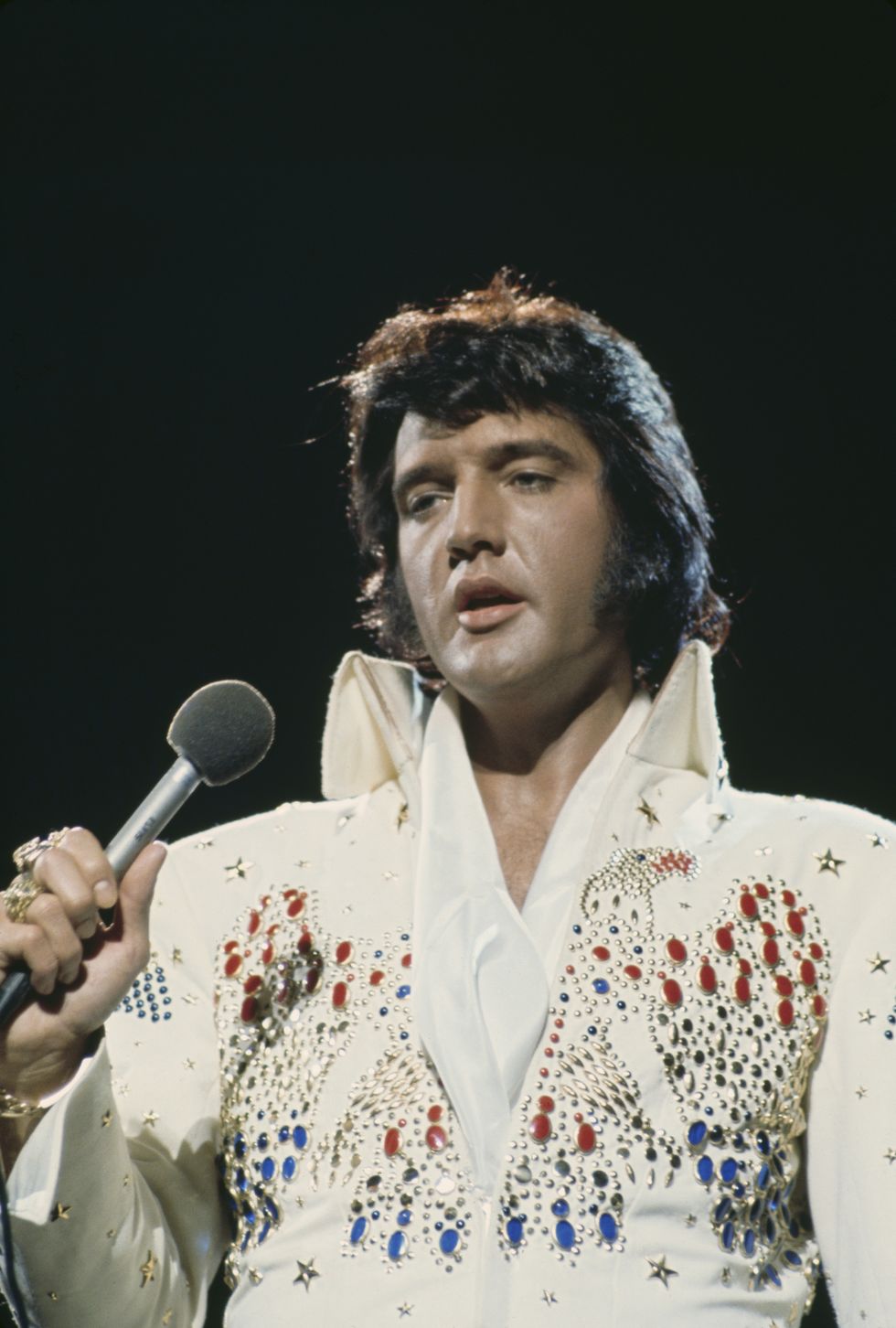
To some adults in the 1950s, he was shocking. To millions of young people, he was freedom. His performances challenged the careful manners and social expectations of the period. Yet the public image of the fearless rebel concealed a remarkably different private personality. Away from the stage, Elvis was often described as polite, sensitive, humorous, and unexpectedly shy.
That contrast was essential to his appeal. The same man who could command an arena with a single gesture could spend hours quietly singing gospel music around a piano. Those late-night sessions were not publicity exercises. Gospel represented home, faith, family, and emotional refuge. When the applause disappeared, those songs allowed Elvis to return to something more personal and enduring.
His generosity revealed another side of his character. Elvis frequently gave away cars, jewelry, money, and expensive gifts, sometimes to friends and sometimes to people he barely knew. These gestures could be extravagant, but they were rooted in a memory he never completely escaped. Fame had made him incredibly wealthy, but it never erased the poor boy from Tupelo who understood what it meant to struggle. Giving became one of the ways he expressed affection, gratitude, and perhaps even his own disbelief at how dramatically life had changed.
There was sadness beneath that generosity. Elvis possessed nearly everything success could provide, yet fame also surrounded him with pressures few people could fully understand. The larger the legend became, the more difficult it was for the man behind it to live an ordinary life. This vulnerability did not weaken his legacy. Instead, it made his story more human—and more moving.
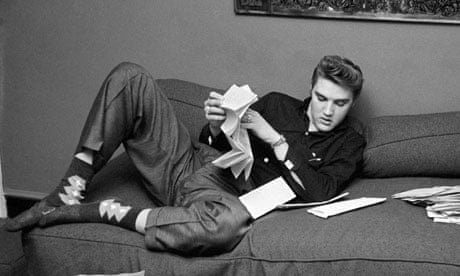
Decades after his death, new generations continue to discover him. They watch the youthful confidence of the 1950s, the grandeur of the 1968 Comeback Special, or the commanding maturity of his 1970s concerts and ask the same question: What was it about this man?
The answer cannot be found in record sales alone. Records can be broken, fashions can disappear, and yesterday’s celebrities can gradually fade from public memory. But some artists become so deeply connected to culture that they stop belonging to a particular era. Elvis became one of those rare figures.
He was powerful yet vulnerable, rebellious yet deeply sentimental, glamorous yet haunted by the humble world from which he came. Many performers achieved fame, and a smaller number became legends. But Elvis Presley became something even harder to achieve: unforgettable.