Introduction
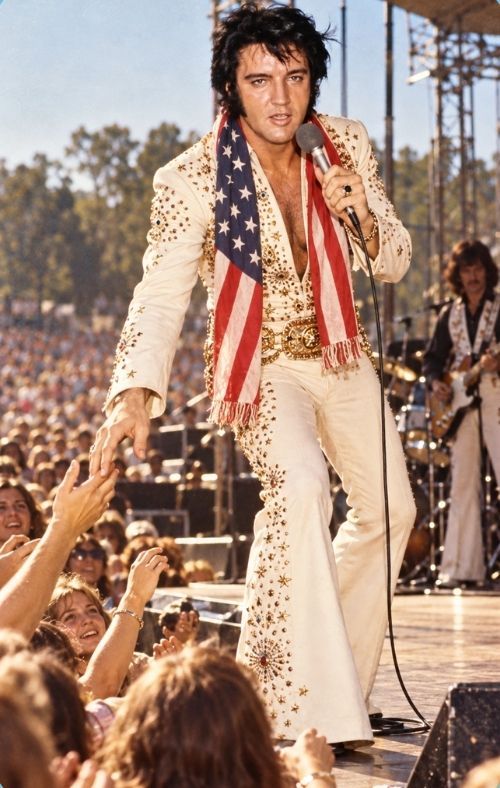
The public knew Elvis Presley through a voice that could turn a familiar song into something deeply personal. His family knew a man whose life continued after the curtain fell: a father, a relative, an employer, and someone whose choices were shaped by loyalties outsiders could not always see. That difference gives Donna Presley’s recollections their appeal. She offers a family perspective on questions that have followed Elvis for decades, even when no single memory can settle them.
Consider Colonel Tom Parker. It is easy to look back at Elvis’s career and ask why he remained with a manager whose decisions have drawn so much criticism. Donna’s perspective invites a more human question: what did Elvis believe Parker had done for him, and how difficult would it have been to break a working relationship built over so many years? Loyalty can explain a choice without proving that every choice was wise. The distinction matters when judging a life lived under extraordinary public pressure.

Then there is Scatter the chimpanzee, a story that can sound almost comic until accounts of his frightening behavior enter the picture. Its place in Elvis lore says something about the unusual household surrounding him. Graceland was a family home, but it was also a place filled with visitors, employees, sudden impulses, and incidents that grew larger each time they were retold. Donna’s answers are valuable here because they bring the conversation back to the people who had to live with the consequences of those incidents.
Her reflections on Elvis’s final years carry greater weight. His health struggles and demanding performance schedule should not be reduced to a neat explanation for everything that happened. Nor should his determination to appear before fans and support those who worked for him make the strain disappear. Listening to a late Elvis recording, one can hear why audiences remained devoted to him: the dramatic phrasing was still there, as was his ability to make a lyric feel immediate. The performer’s commitment and the man’s difficulties belong in the same account.
Questions about Lisa Marie Presley’s early family arrangements and Priscilla Presley’s possible final resting place at Graceland call for particular care. Family memories can illuminate how people understood those relationships, but a recollection about a private arrangement or a possibility is not the same as a confirmed decision. Graceland holds deep meaning for the Presley family and for fans; that meaning deserves accuracy as well as feeling.

Perhaps Donna’s change of heart about Elvis impersonators offers the most revealing ending. A tribute performer cannot recreate Elvis, but a thoughtful performance can introduce someone to the songs again. That is where the music reclaims its place in this story. Behind every debate about Parker, Graceland, or the final years remains a singer whose recordings still prompt people to listen closely.
Donna Presley does not need to provide a final verdict on the King to make her perspective worth hearing. Her recollections remind us that the most famous version of Elvis was only one part of a complicated family life. The questions endure because people still care about the man behind the voice.