Introduction

FOR 21 YEARS, JIMMY FORTUNE SANG TENOR FOR THE STATLER BROTHERS. HE GOT THE JOB BECAUSE THE MAN HE REPLACED HANDED IT TO HIM. It is a sentence that sounds almost too gracious to belong to the competitive world of professional music. Yet behind those words lies one of country and gospel music’s most moving stories—a story not simply about replacing a singer, but about friendship, courage, artistic responsibility, and one man’s willingness to place the future of a beloved group above his own desire to remain in the spotlight.
Before Jimmy Fortune became known for his soaring tenor voice, heartfelt songwriting, and gentle stage presence, that place in The Statler Brothers belonged to Lew DeWitt. Lew had been part of the group from its earliest days, helping to shape the distinctive four-part harmony that made the Statlers instantly recognizable. His voice was not merely one element in the arrangement; it was part of the group’s identity. His creative importance was equally profound. He wrote “Flowers on the Wall,” the unforgettable crossover success that introduced the Statlers to listeners far beyond traditional country audiences and helped earn them their first Grammy Awards.
For many performers, such achievements might have created an understandable determination to protect their position at any cost. Lew, however, faced circumstances that demanded a deeper kind of strength. For years, he had struggled with Crohn’s disease, enduring pain and uncertainty while continuing to perform. By late 1981, the illness had become so severe that he was hospitalized and faced an extended period of recovery. The future of the group could not simply be placed on hold, but neither could Lew’s health be ignored.
What happened next revealed something extraordinary about his character. Instead of treating another singer as a threat, Lew DeWitt opened the door himself. He remembered hearing a young Virginia performer named Jimmy Fortune singing at a ski resort. Jimmy possessed a clear, expressive tenor and an emotional sincerity that could not be manufactured. Lew believed the young singer might be able to help the Statlers continue during his absence, so he gave the group Jimmy’s name.
That recommendation changed several lives at once.
Jimmy traveled to Nashville to audition, carrying little more than his voice, his hope, and the unexpected confidence of the very man he might replace. He performed his first concert with the group in Savannah on January 28, 1982. By August of that year, he had become a permanent member of The Statler Brothers. What began as an uncertain opportunity grew into a musical partnership lasting more than two decades.
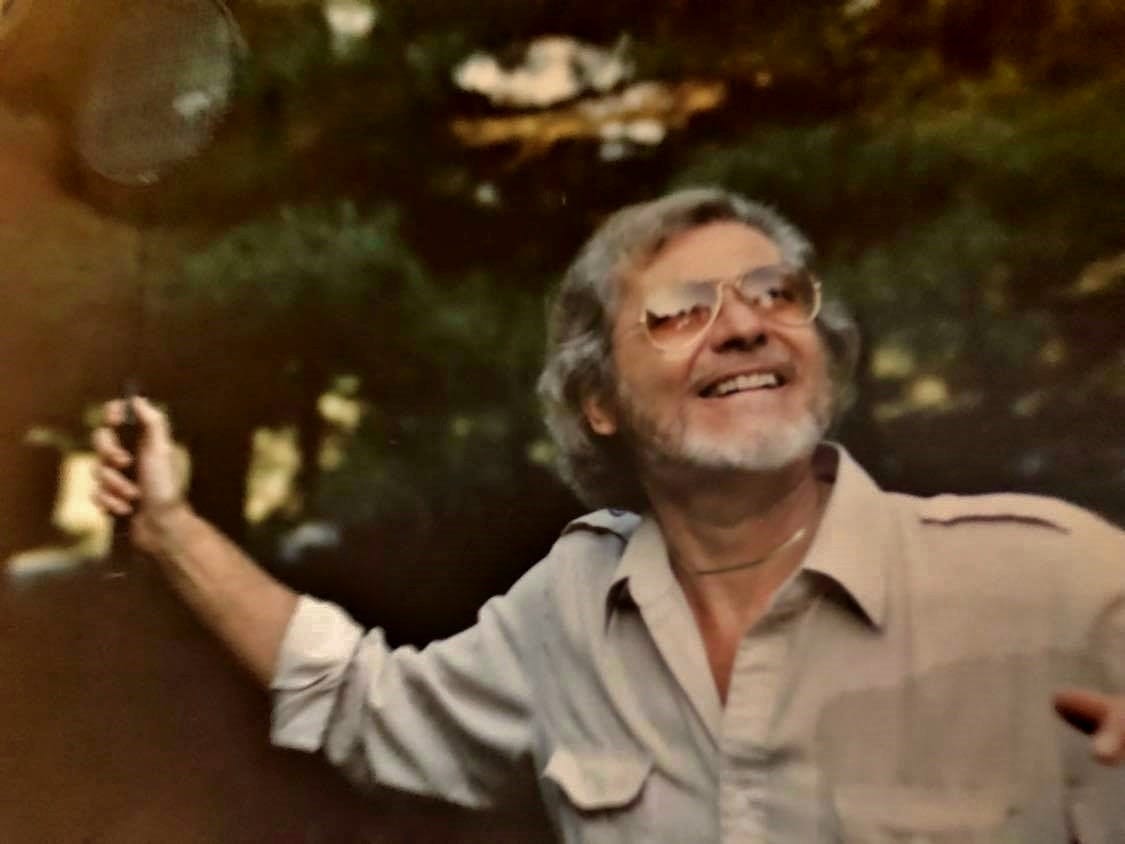
During those 21 years, Jimmy did far more than sing the high harmony parts. He became an essential part of the group’s evolving sound and wrote three of their number-one country songs. His compositions carried the emotional clarity that had always distinguished the Statlers’ finest work. They spoke about devotion, memory, family, sacrifice, and the quiet moments that often reveal the deepest truths. Jimmy’s voice gave those songs tenderness, but his writing gave them permanence.
Yet his success never erased the importance of the man who had recommended him. Lew DeWitt’s decision was not a simple passing of responsibility from one musician to another. It was a profound act of generosity. He understood that the music they had built together deserved a future, even if illness prevented him from fully sharing in it. He could have guarded his position, withheld Jimmy’s name, or allowed uncertainty to surround the group. Instead, he chose continuity over pride and possibility over fear.
Lew was eventually able to return for a time, but his health never allowed him to reclaim his former place permanently. He died in 1990 after his long struggle with Crohn’s disease. His passing closed an important chapter in the history of The Statler Brothers, but the door he had opened remained wide. Through Jimmy Fortune’s performances, songs, and enduring connection with audiences, part of Lew’s generous spirit continued to travel from stage to stage.
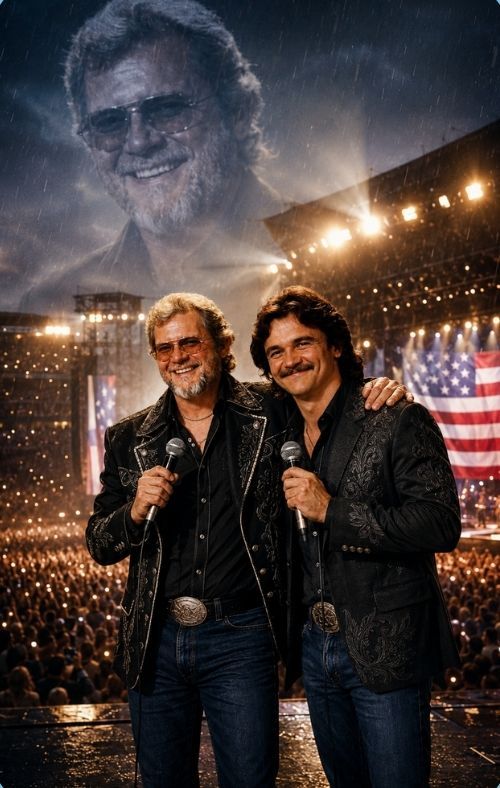
This is why the story resonates so strongly decades later. It reminds us that musical history is not shaped only by chart positions, awards, or sold-out concerts. Sometimes it turns on a private decision made during a period of pain—a telephone call, a recommendation, or a name offered without bitterness.
Jimmy Fortune’s 21-year journey with The Statler Brothers began because Lew DeWitt chose to open a door instead of closing it. In doing so, Lew protected the harmony he had helped create, gave a gifted young singer the opportunity of a lifetime, and demonstrated a lesson greater than any song: a true legacy is not measured only by how long a person stands in the spotlight, but by what they make possible for those who follow.