Introduction

At an age when most performers have long since stepped away from the spotlight, Bill Gaither remains close to the piano, surrounded by familiar harmonies and guided by the same purpose that first shaped his music more than six decades ago. His story is not simply about longevity, awards, successful recordings, or sold-out concerts. It is about the remarkable endurance of a message—one built upon faith, hope, humility, and encouragement—that continues to speak to listeners across generations.
Born in the small community of Alexandria, Indiana, Bill Gaither grew up in a world where family, honesty, hard work, and church life formed the foundation of daily living. Nothing about those modest beginnings suggested that the quiet young man would eventually become one of the most influential figures in Christian and gospel music. Yet the values he learned during those early years would remain at the heart of nearly everything he later created.
Before international tours and celebrated television programs, Gaither worked as a teacher and wrote songs during his spare time. He did not begin with a carefully constructed plan to become famous. Instead, he wrote from personal conviction, attempting to express the truths that had carried him through his own seasons of uncertainty. Those early compositions were simple enough to be sung by an ordinary church congregation, yet meaningful enough to remain in the memory long after the final note had faded.
That sincerity became the defining strength of songs such as “Because He Lives” and “He Touched Me.” These were not written merely as performances. They were created as musical declarations for people facing grief, change, disappointment, illness, and fear. Over time, they moved beyond Gaither’s hometown and entered churches throughout America. Choirs learned them, families sang them together, and individuals turned to them during moments when spoken words no longer seemed sufficient.
The lasting power of Bill Gaither’s work cannot be separated from his extraordinary partnership with Gloria Gaither, his wife and closest creative collaborator. Together, Bill and Gloria developed a songwriting relationship that joined thoughtful, poetic language with melodies that could be remembered and shared. Their work never depended upon passing musical fashions. It remained rooted in universal experiences: the search for peace, the need for reassurance, the pain of loss, and the belief that darkness does not have the final word.
Their partnership also became an example of how a shared calling can sustain both a marriage and a career. For more than six decades, they built a life around music, family, ministry, and service. Their songs were shaped not only in studios or rehearsal rooms, but through years of raising children, traveling, facing disappointments, welcoming new opportunities, and growing older together. That history gives their music a depth that cannot be manufactured.
Bill Gaither’s influence extended far beyond his own performances. Through the creation of the Gaither Vocal Band, he provided a platform for gifted singers whose voices might otherwise have remained unknown to wider audiences. He became not only a songwriter and performer, but also a mentor who understood that gospel music grows stronger when experienced artists open doors for the next generation.
The Vocal Band became known for its rich harmonies, emotional honesty, and deep sense of fellowship. Its concerts offered more than polished entertainment. They created the atmosphere of a gathering in which audiences felt welcomed, encouraged, and spiritually renewed. Singers came and went over the years, but the central purpose remained unchanged: to communicate a message larger than any individual performer.
Perhaps no project captured Bill Gaither’s vision more completely than the Gaither Homecoming series. What began as a gathering of gospel singers developed into an international phenomenon. Legendary performers sat beside younger voices, sharing songs, memories, laughter, and testimonies. The programs felt less like formal television productions and more like family reunions where everyone understood the same musical language.
For many older viewers, the Homecoming recordings became treasured companions. Families watched them together on Sunday evenings. Familiar hymns brought back memories of parents, grandparents, country churches, and voices that had once filled childhood homes. At the same time, the programs introduced younger listeners to artists and traditions they might never have discovered elsewhere.
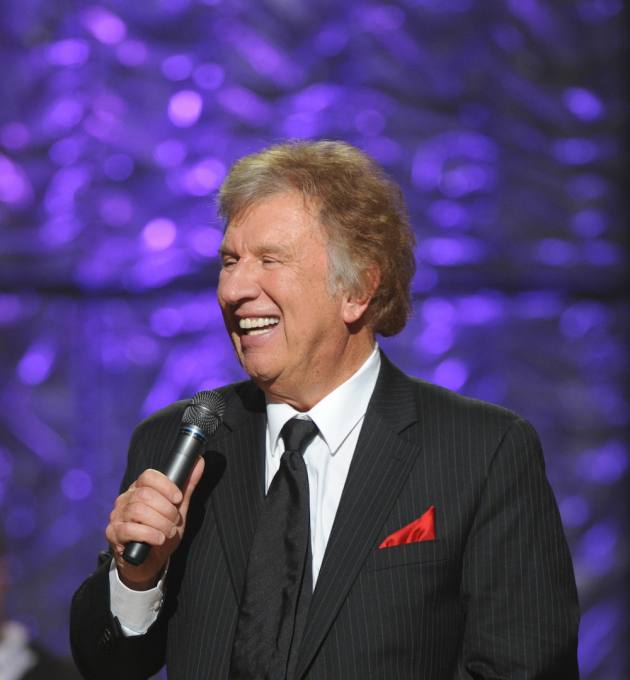
This ability to preserve the past without becoming trapped inside it is one of Gaither’s greatest achievements. His music carries history, but it does not exist only as nostalgia. Songs written decades ago continue to appear in churches, hospitals, nursing homes, memorial services, and family gatherings because they speak to needs that have not changed. People still search for comfort. They still need courage. They still hope to believe that tomorrow can hold something better than today.
At 90, Bill Gaither’s legacy is therefore measured by far more than sales figures or public recognition. It can be heard in a small choir preparing for Sunday worship, in a grieving family quietly singing “Because He Lives,” and in a younger performer who was given an opportunity because Gaither believed that the spotlight should be shared.
His greatest accomplishment may be that the music still feels personal. After more than sixty years, it continues to reach listeners not as a monument to one man’s success, but as an invitation to remember what matters most. Bill Gaither never needed to chase fame in order to leave a permanent mark. He simply continued writing honest songs, encouraging other voices, and returning to the piano with a message worth singing.
And even now, after a lifetime of music, the final note has not yet been played.