Introduction
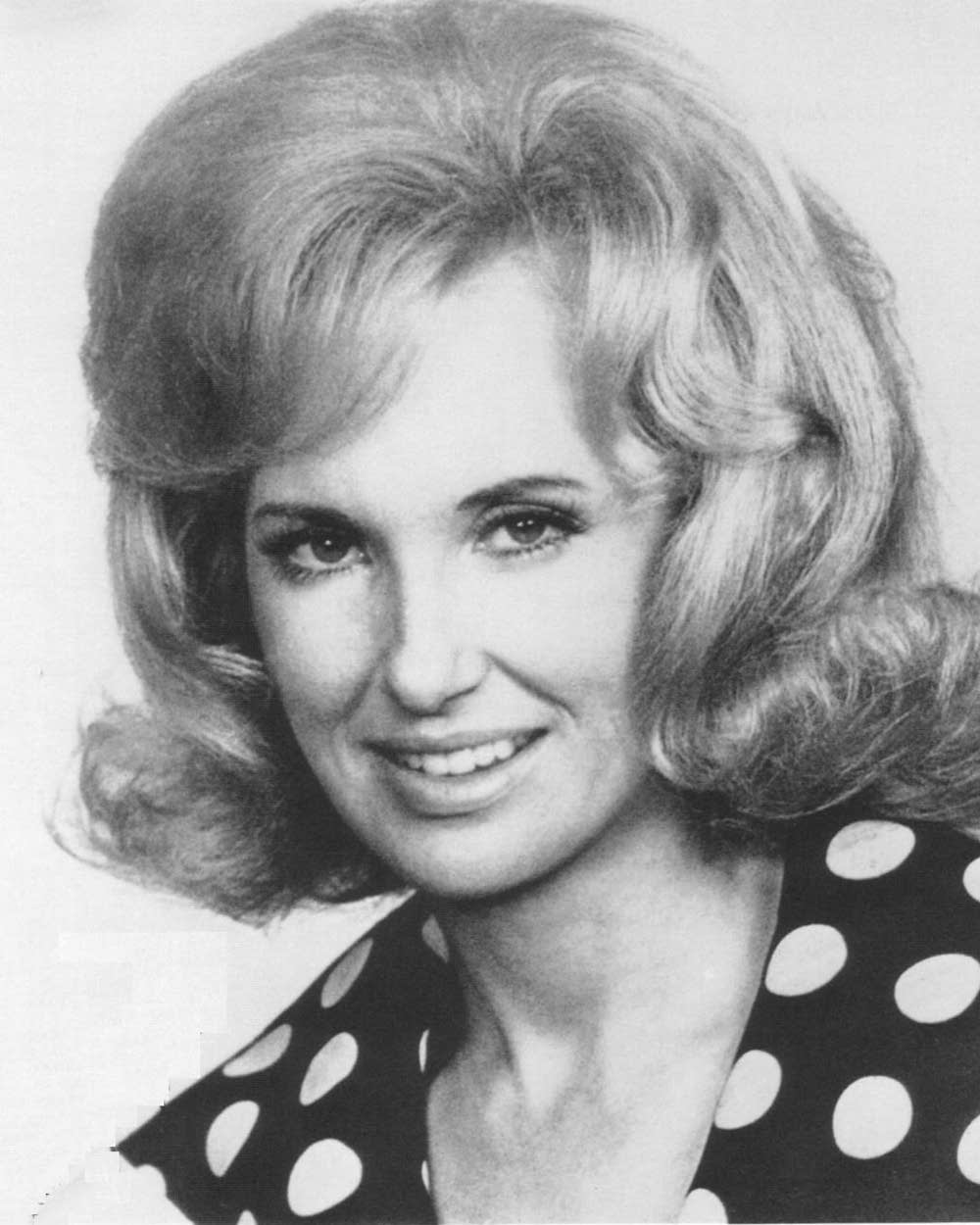
Remembering Tammy Wynette, born Virginia Wynette Pugh on May 5, 1942, in Tremont, Mississippi, and who passed away on April 6, 1998, means remembering far more than a celebrated singer with an unmistakable voice. It means looking back on a woman who transformed personal hardship, quiet endurance, and emotional honesty into some of the most enduring recordings in American country music. Decades after her passing, her songs continue to speak directly to listeners who recognize that life is rarely simple and that the strongest people are often those who keep moving forward while carrying burdens no one else can see.
Known throughout the world as the “First Lady of Country Music,” Tammy Wynette became one of the genre’s most recognizable performers and one of its biggest-selling female artists. Her voice was both delicate and powerful, capable of trembling with sorrow one moment and rising with remarkable determination the next. She did not simply perform the words placed before her. She seemed to inhabit every line, giving each song the emotional weight of a private confession.
Her most famous recording, “Stand by Your Man,” became one of the best-selling hit singles by a female country artist. The song’s sweeping melody and deeply committed performance made it instantly memorable, but its lasting importance lies in the conversations it has inspired across generations. Some listeners heard loyalty and devotion, while others heard a portrait of the difficult expectations placed upon women. Whatever interpretation one chooses, Wynette’s vocal performance remains impossible to dismiss. She sang with conviction, vulnerability, and the unmistakable authority of someone who understood that relationships could contain both comfort and disappointment.

Many of Tammy Wynette’s greatest songs explored loneliness, divorce, separation, family struggles, and the difficult choices ordinary people face. She approached these subjects without pretending that every story would end happily. Her music offered no easy answers. Instead, it provided companionship. Listeners heard their own experiences reflected in her voice and discovered that their private pain was not theirs alone.
During the late 1960s and early 1970s, Wynette achieved an extraordinary run of commercial success, placing 23 songs at No. 1 on the country charts. Yet statistics alone cannot explain her influence. Alongside Loretta Lynn and Dolly Parton, she helped redefine the place of women in country music during the 1970s. These artists had different personalities and musical approaches, but each demonstrated that a woman could command the stage, shape her own artistic identity, and address the realities of life with intelligence and courage.
Wynette’s music was especially powerful because she never sounded distant from the people listening. Even when orchestral arrangements surrounded her voice, she retained the intimacy of someone singing across a kitchen table. Her songs could fill a theater, yet they also felt perfectly at home on a quiet radio late at night. That rare quality allowed her to reach listeners from different backgrounds and generations.
Her marriage to fellow country music legend George Jones in 1969 added another important chapter to her public and musical story. Their relationship, which ended in divorce in 1975, fascinated country audiences and created one of the genre’s most famous musical partnerships. Like Johnny Cash and June Carter Cash, Jones and Wynette became a couple whose personal lives and professional performances seemed closely connected in the public imagination.
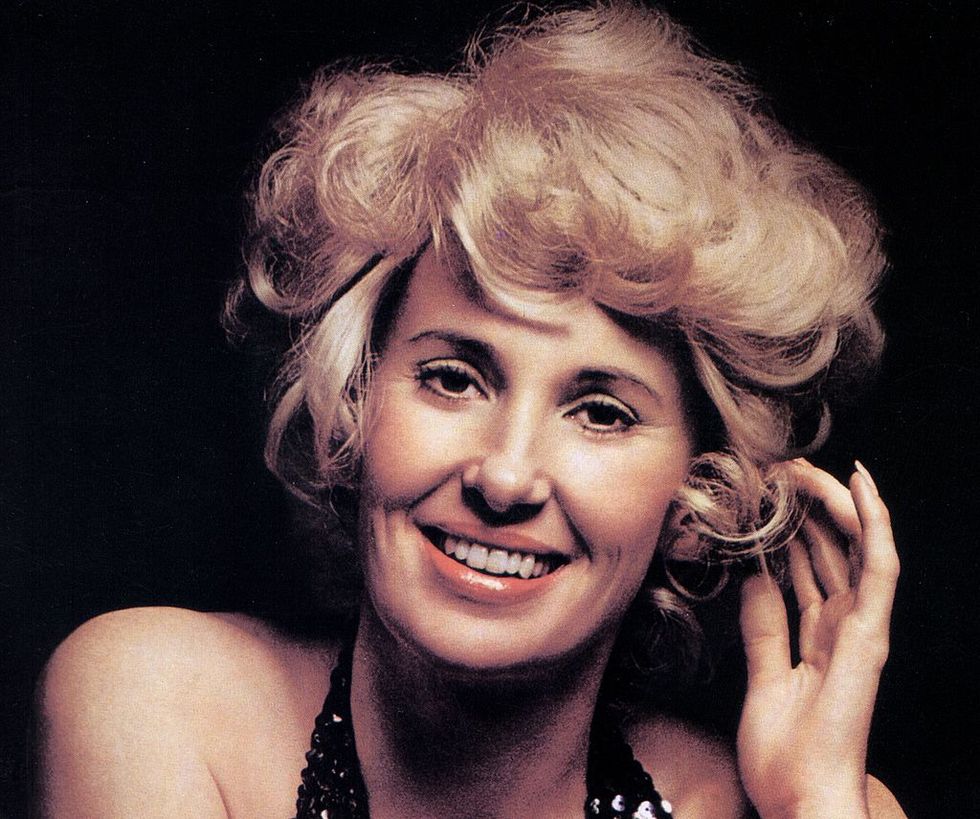
Together, George Jones and Tammy Wynette recorded a succession of albums and singles that reached the charts throughout the 1970s and into the early 1980s. Their voices were strikingly different yet wonderfully suited to one another. Jones brought his weathered, deeply expressive phrasing, while Wynette answered with elegance, clarity, and emotional strength. When they sang together, the music often sounded less like a polished duet and more like a conversation between two people who knew both the tenderness and the difficulties of sharing a life.
Their partnership endured musically even after their marriage had ended, demonstrating the extraordinary bond created when two distinctive voices understood how to listen and respond to one another. Their recordings remain important not merely because of the couple’s fame but because of the honesty carried in every exchange. They could turn a simple lyric into a complete human drama.
Today, Tammy Wynette’s legacy remains secure. She helped create a language through which country music could speak about sorrow, responsibility, loyalty, disappointment, and survival. Her recordings remind us that emotional honesty does not weaken a performer; it gives the music lasting strength.
To remember Tammy Wynette is to remember a woman who stood at the center of country music during one of its most important eras and refused to hide the complicated realities of life. Her voice still rises from those classic recordings with the same dignity, ache, and determination that first captivated audiences. The First Lady of Country Music may have left the stage on April 6, 1998, but the stories she sang—and the listeners who found comfort within them—ensure that her voice will never truly fall silent.