Introduction

A familiar voice can bring back a place more vividly than a photograph. For generations of Irish country music listeners, Margo O’Donnell has been that kind of voice: warm, direct, and closely tied to memories of home. Her recordings speak to people who have lived long enough to know that an ordinary line in a song can carry an extraordinary amount of feeling.
Margo’s music has often drawn its strength from plain words. In songs such as “Shanagolden” and “The Parting Glass,” she gives the story room to breathe. She does not need to press every phrase for emotion; her steady delivery lets listeners bring their own experiences to it. A song about leaving can recall a departure decades ago. A song about gratitude can bring to mind someone whose kindness was never properly acknowledged. That trust in the listener is part of what makes her performances endure. Her official site includes both songs among the performances featured in its retrospective of her career.

Her career also tells a larger story about country and Irish music. The style connected the narrative clarity of country songs with audiences whose lives were shaped by family, community, faith, migration, and distance. Margo became one of its defining voices, building a career that began in her youth in County Donegal and continued across decades. An RTÉ archive of an early gold-disc presentation offers a glimpse of how established her place in Irish music had already become by the 1970s.
That history is worth hearing in the recordings themselves. Listen to the way she approaches a farewell: the words remain clear, the pace remains measured, and the feeling arrives without a grand gesture. It is easy to overlook how much judgment such restraint requires. A singer has to know when to hold a note, when to release it, and when the story has said enough. Margo’s best performances make those choices sound effortless.
Her connection to American country music is part of that story, too. Her official album listings document recordings with other artists, including her brother Daniel O’Donnell. More recently, she spoke publicly about her long friendship with Dolly Parton, recalling a musical bond that crossed the Atlantic. Those connections help explain the reach of her work, but its lasting appeal begins with the sound of her own voice.
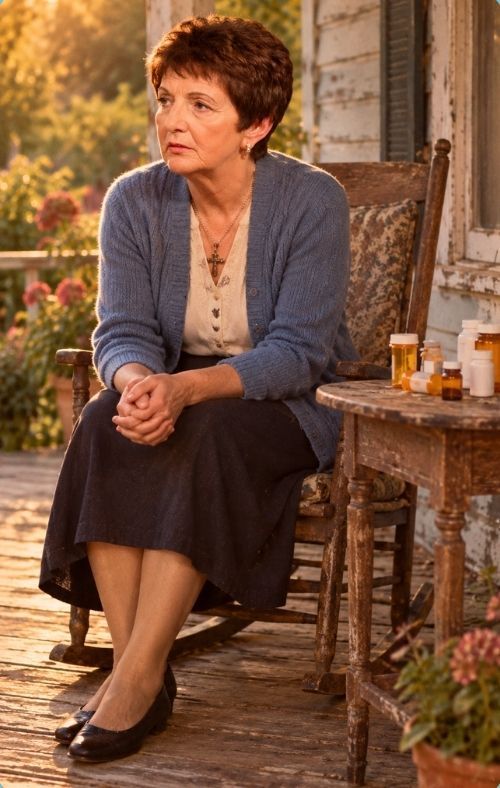
Reports about an artist’s health can prompt sincere concern. They also deserve careful checking, particularly when a claim concerns a terminal diagnosis. I found no reliable confirmation of the diagnosis in the prompt, so it should not become the headline through which readers encounter Margo’s work.
There is plenty to say about Margo O’Donnell without asking her songs to stand in for an unverified story. Put on one of her recordings and listen to its patience. The voice carries the words; the words make room for memory. That is the quiet achievement at the heart of a long musical life.