Introduction
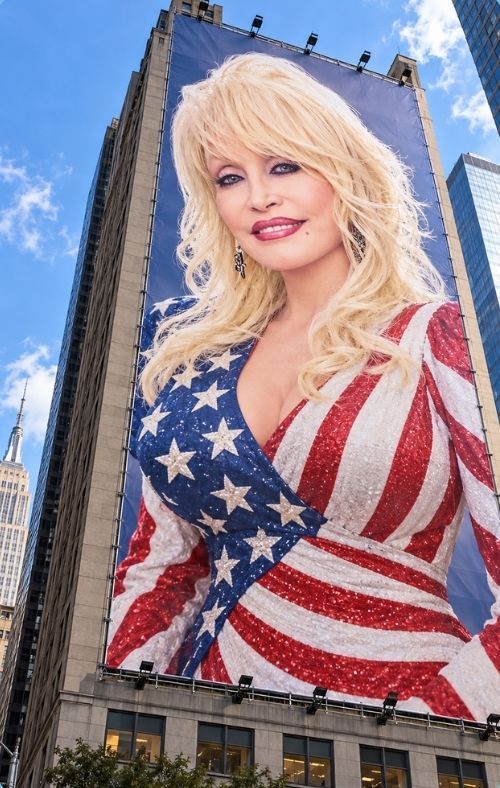
Some singers give us songs we remember. Dolly Parton gave people with very different lives a reason to listen together. Her audience included churchgoing traditionalists, progressive activists, small-town families, and city dwellers who might otherwise have struggled to find common ground. Understanding How Dolly Parton had support across the political spectrum means looking beyond her familiar smile and remarkable voice. It means considering the relationship between her music, her mountain upbringing, and her instinct for treating people with dignity. Her ability to reach across political and cultural boundaries has been a recurring subject of thoughtful examinations of her career.
The strongest explanation begins with the songs themselves. “Coat of Many Colors” takes a childhood experience of poverty and turns it into a meditation on love, pride, and the pain of being judged. A listener does not need a particular political affiliation to understand a child’s embarrassment or a mother’s determination to provide something beautiful with limited means. The song invites recognition before disagreement has a chance to enter the room.
Then there is “9 to 5,” with its bright rhythm and unmistakable frustration at being overworked and undervalued. Its lasting appeal lies partly in that combination: the music is inviting, while the complaint has real weight. People may disagree about economic policy and still recognize the feeling of giving their best to a workplace that takes them for granted. Parton’s gift was to make that experience personal, memorable, and singable.
Her public manner reinforced the connection. She generally kept her private political preferences from becoming the organizing principle of her career. In interviews, she acknowledged having opinions while expressing caution about how she used her influence. That approach left room for listeners to encounter her as an artist without first passing a test of political agreement.
Yet broad affection cannot be explained by discretion alone. Her generosity gave people something tangible to trust. Through Dolly Parton’s Imagination Library, she helped put books into children’s hands. Her philanthropy also supported medical research, including work connected with the development of Moderna’s COVID-19 vaccine. The Carnegie Medal of Philanthropy recognized the reach of these efforts in 2022. For admirers, such work offered a practical expression of the concern for ordinary people that they heard in her songs.
Even the question of national honors illustrated her careful relationship with politics. In 2021, Parton explained that she had declined two offers of the Presidential Medal of Freedom during Donald Trump’s administration because of her husband’s illness and, later, pandemic concerns. Asked about potentially accepting the honor under Joe Biden, she worried that doing so might appear political. The episode showed how closely she guarded the independence of her public identity.
For older listeners especially, her appeal may feel rooted in a recognizable standard of character: remember where you came from, work hard, retain your humor, and help when you can. Her songs make those values emotionally accessible rather than abstract.
That is perhaps the most persuasive way to understand Dolly Parton’s unusual place in American culture. People could bring different convictions to her music and still find themselves welcomed by it. A mother’s handmade coat, a worker’s weary morning, a voice offering reassurance—these were experiences large enough to hold an audience whose members did not agree on everything.