Introduction
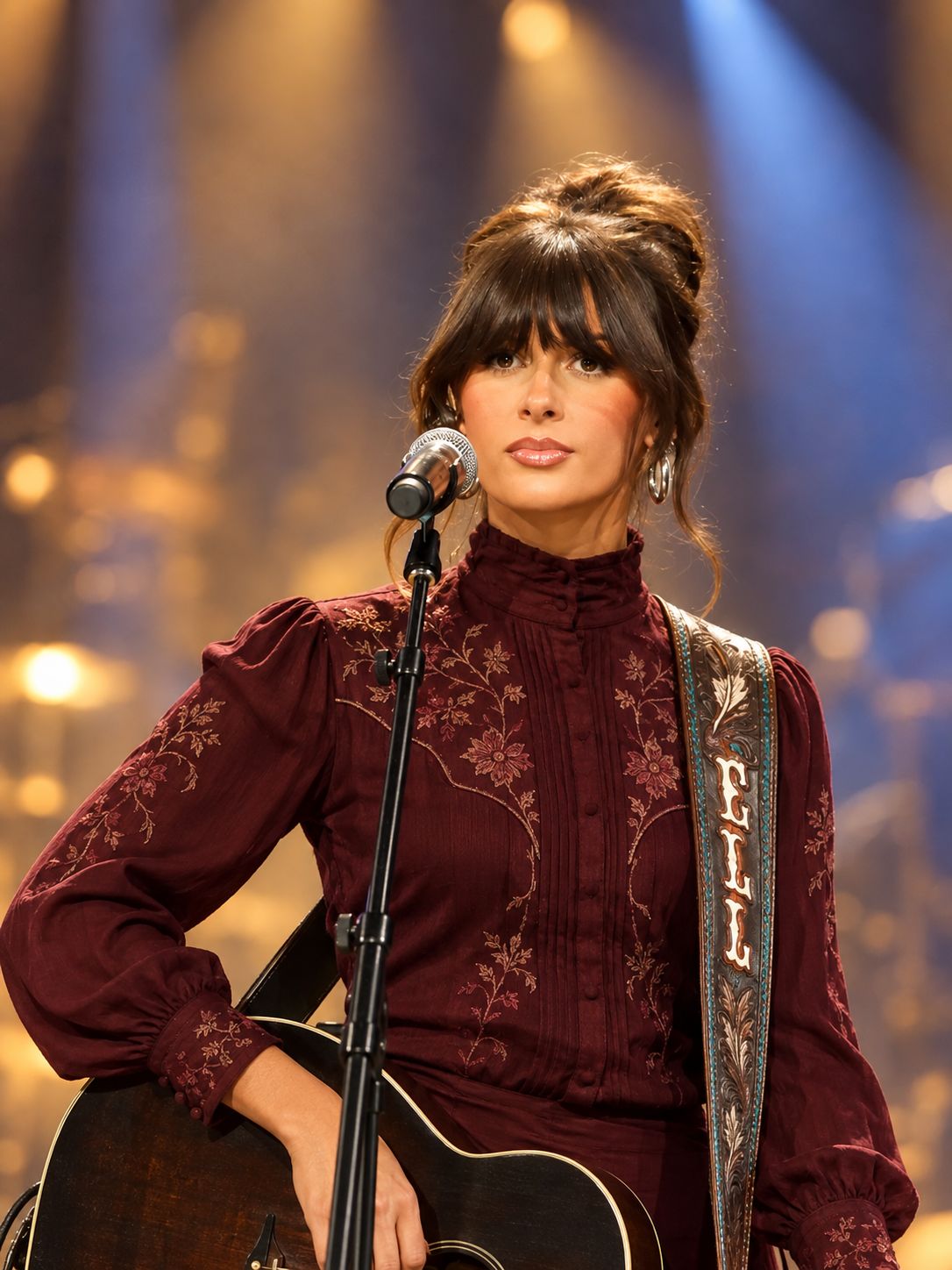
Success can change a singer’s life long before she has time to understand what has happened. Suddenly, every photograph invites a theory, every interview becomes a headline, and even a missing name on an Instagram following list can inspire an elaborate story. For Ella Langley, the attention surrounding her personal life has become a story of its own—sometimes competing with the music that brought listeners to her in the first place.
The provocative claim that Langley became famous and immediately “cut ties with four people” offers a dramatic explanation for that attention. But the available reporting presents a more complicated picture. Riley Green, Megan Moroney, John Sansone, and Tucker Wetmore have all appeared in conversations about her life, yet their connections to her cannot responsibly be described as four confirmed falling-outs.
For longtime country listeners, Riley Green is the most familiar name in this discussion. Their duet, “You Look Like You Love Me,” offered the conversational storytelling and memorable interplay that have helped country duets endure across generations. Their performances also encouraged speculation about a relationship. However, both singers publicly described their connection as friendship rather than a confirmed romance. More recently, reporting that Langley no longer followed Green on Instagram renewed questions, but that observation alone does not establish why their social media connection changed—or prove that their professional association ended.
Then there is Megan Moroney, whose name became part of a widely discussed romantic-triangle narrative. Such stories invite audiences to interpret songs, photographs, and brief comments as pieces of a hidden confession. Yet Langley previously responded approvingly to a comment questioning whether there was any genuine disagreement between the two women. That matters: a popular theory about rivalry should not become a statement of fact simply through repetition.
John Sansone, known for Farmer Wants a Wife, represents a different situation. In an April 2026 interview, he said that he and Langley had dated for a couple of months and were no longer together. His account provides support for a brief past relationship. It does not establish the dramatic fallout suggested by sensational headlines, nor does it demonstrate that her success caused their separation. Sometimes a relationship ends without the public ever knowing its private reasons.
The fourth name, Tucker Wetmore, particularly challenges the idea of four people being left behind. In September 2026, PEOPLE reported that multiple sources said Wetmore and Langley were dating. Representatives had not responded to the publication’s requests for comment. That reporting points toward a developing connection, rather than supporting a claim that she had cut him out of her life.
What makes this story worth considering is the pressure surrounding an artist whose audience is expanding. Country music has always drawn strength from personal experience, but listeners do not need unrestricted access to a performer’s private life to appreciate an honest song.
For Ella Langley, the lasting question is what she will express through her voice, her writing, and the choices that shape her work. Long after today’s speculation fades, those are the things listeners will return to—and the things most likely to explain why her music mattered to them.