Introduction
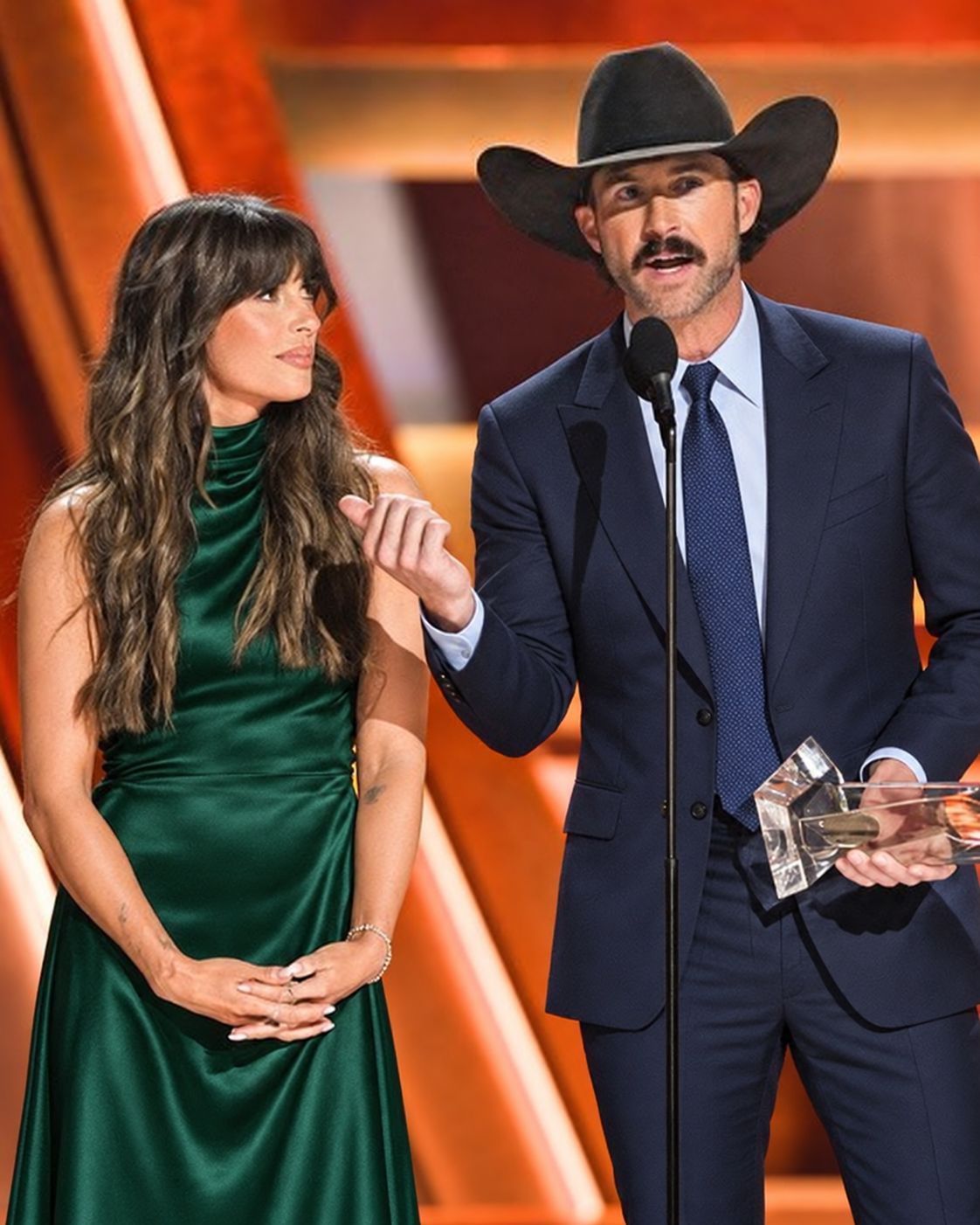
Country music has always understood the importance of a helping hand. An invitation to join a tour, a shared microphone, or an introduction to a new audience can change a young performer’s prospects. Yet there is something equally important to longtime listeners: giving an artist proper credit for the voice, determination, and years of work that made that opportunity count. That delicate balance sits at the heart of the recent conversation surrounding Ella Langley and Riley Green.
The discussion began with Green’s remarks on The Voice, where he referenced his touring history with Langley while encouraging sister duo Ferryn & Brinkley to join his team. He mentioned taking Langley on the road and noted that her career was going well. Some viewers heard an experienced performer pointing to a successful collaboration. Others interpreted the wording as suggesting that he deserved credit for her rise. Us Weekly reported both interpretations, underscoring how differently the same brief television moment could land with an audience.
Langley subsequently appeared to address that interpretation during an Instagram livestream. After a viewer asked about Green supposedly taking credit for her success, she expressed displeasure and described the situation as “typical.” The exchange attracted attention because listeners already associated the two performers with a fruitful musical partnership. However, the available reporting does not establish a verified public response from Green to her reaction; coverage published in mid-October said he had yet to address it publicly. A headline claiming that he has answered her would therefore go beyond what those reports support.
For listeners who came to know these artists through “You Look Like You Love Me,” the conversation invites a return to the music itself. Their appeal as duet partners rests on the interplay between two distinct personalities. Langley’s delivery carries an assertive, conversational quality, while Green provides a measured counterpoint. To my ear, the pleasure comes from hearing those differences fit together without either performer disappearing into the background.
Their collaboration on “Don’t Mind If I Do” offered another opportunity for audiences to hear that partnership. Both songs feature in reporting about their shared professional history, alongside Langley’s appearances on Green’s tours. Those connections help explain why fans have strong feelings about the recent exchange: the performers’ work reached listeners as a partnership, making questions about recognition particularly sensitive.
Still, artistic success rarely belongs to one person’s explanation. A tour can introduce a singer to thousands of potential supporters, but the singer must give those people a reason to listen again. A duet can attract attention, but an enduring career requires an individual musical identity. Recognizing someone’s assistance and recognizing another person’s achievement can comfortably exist together.
For older country fans, that principle will feel familiar. The genre’s most memorable partnerships have allowed listeners to appreciate both the shared performance and the people contributing to it. Generosity matters, and so does respect for the work behind a recognizable voice.
That is what makes this discussion worth approaching carefully. Ella Langley’s reaction and Riley Green’s original remarks can be reported without inventing a further confrontation or assuming private motives. Beyond the headlines, the more enduring question concerns fairness: how do we celebrate the people who open doors while honoring the artist who walks through them? Country music, at its best, has room to acknowledge both.