Introduction
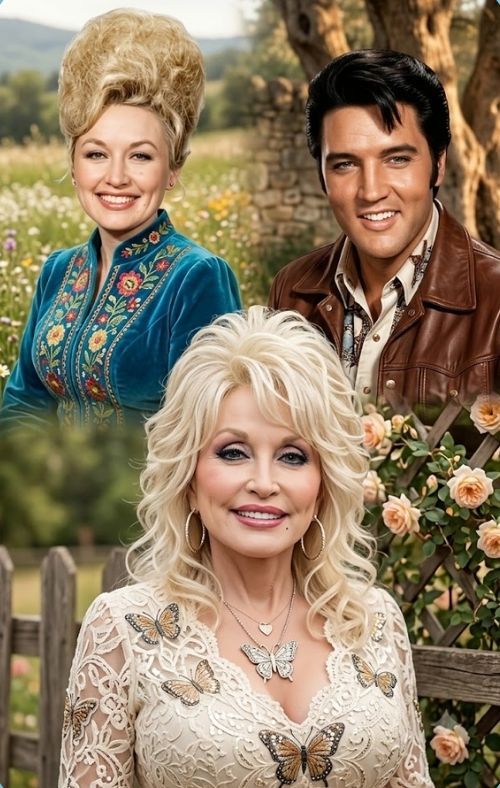
For more than half a century, Dolly Parton has been one of the most recognizable figures in American music. The towering hair, the sparkling costumes, the bright stage lights, and that unmistakable Tennessee warmth became part of an image known around the world. Yet anyone who listens closely to her songs eventually discovers something deeper. The rhinestones were never the real story.
The true power of Dolly Parton’s legacy has always rested in her extraordinary ability to notice people whom society too often overlooks.
Behind the humor and glamour stood a songwriter who understood hardship because she had lived close to it. Growing up in rural East Tennessee, Dolly learned early that dignity does not depend on wealth, social standing, or public recognition. Those lessons followed her into adulthood, and they became some of the strongest emotional foundations of her songwriting.
That is why so many of her greatest songs feel less like performances and more like conversations.
When Dolly sang about family, poverty, faith, heartbreak, sacrifice, aging, work, or leaving home, she rarely treated ordinary lives as ordinary. She gave them weight. A struggling mother, a lonely worker, a child wearing a homemade coat, or someone quietly trying to hold a family together could become the center of an unforgettable story.
This is what makes Dolly Parton’s greatest legacy larger than chart positions or awards.
Consider “Coat of Many Colors.” On the surface, it is a simple childhood memory about a coat stitched together from scraps of fabric. Yet beneath that modest story lies an enduring meditation on poverty, parental love, pride, and the difference between material wealth and emotional richness. Dolly does not ask the listener to pity the child in the song. Instead, she gives that child dignity.
That distinction matters.
Many performers have sung about hardship. Dolly had the rare ability to make hardship feel human without turning it into spectacle.
The same sensitivity can be heard throughout her catalog. Whether she was writing about a woman demanding respect, a person facing loneliness, or someone saying farewell to a chapter of life, Dolly repeatedly returned to one essential idea: every person deserves to be heard.
Perhaps that is why generations of listeners have felt that Dolly somehow understood them personally.
Her voice could fill an arena, yet many of her finest recordings feel as though she is singing across a kitchen table. There is very little distance between storyteller and listener. Even when surrounded by orchestration, harmony, and Nashville polish, the emotional center often remains remarkably intimate.
And that intimacy is where the deeper meaning of her public image becomes clear.
The glitter was real. The humor was real. The larger-than-life personality was real. Dolly never needed to apologize for enjoying beauty, costumes, laughter, or showmanship. But those things were never the foundation underneath her career.
Compassion was.
That compassion extended far beyond music. Her well-known commitment to literacy and education, particularly through initiatives that have placed books in the hands of children, reflects the same philosophy found in her songwriting: people should not be forgotten simply because they were born far from privilege.
There is a remarkable consistency between the woman who wrote about growing up with very little and the public figure who later used success to create opportunities for others.
That may ultimately explain why Dolly Parton occupies such an unusual place in American culture.
She became enormously famous without allowing fame to become the most interesting thing about her.
The awards matter. The hit records matter. The sold-out concerts and decades of influence matter. But statistics cannot fully explain why people from dramatically different generations and backgrounds continue to feel such affection for her music.
The answer lies somewhere inside the stories.
She sang about people who worked hard and rarely received applause. She wrote about families who measured wealth differently. She gave emotional importance to rural lives that popular culture sometimes treated as background scenery. Most importantly, she reminded listeners that kindness and dignity do not require an audience.
The world noticed the rhinestones because they sparkled.
But the people who truly listened discovered something far more lasting beneath them.
Dolly Parton’s greatest legacy was never simply becoming unforgettable herself. It was her remarkable gift for making forgotten people feel remembered.
And once her music is heard through that lens, songs that seemed familiar begin to sound different. They become more than country classics. They become small acts of recognition—stories telling ordinary people that their struggles, memories, families, hopes, and lives were always worthy of a song.