Introduction

There comes a time when a familiar voice begins to mean more than the songs it sings. It brings back people we once knew, roads we once traveled, and evenings when the radio seemed to understand something we could not quite put into words. For many listeners, Willie Nelson possesses that kind of voice. Weathered, conversational, and unmistakably his own, it invites us to think about the passing years with a little more honesty—and perhaps a little less fear.
The supplied account raises questions about how Nelson wishes to be remembered. Yet the most meaningful place to explore those questions is his music. Claims about private funeral arrangements require reliable evidence. His recordings, however, offer something we can actually hear: an artist approaching mortality, memory, and resilience with an expressive range that includes both tenderness and laughter.
A particularly revealing example is “Still Not Dead,” written with Buddy Cannon and included on Nelson’s 2017 album God’s Problem Child. His record label described the song as a humorous response to exaggerated reports of his death. That origin gives the recording a useful context: Nelson turns an unsettling subject into an opportunity for wit, refusing to let somebody else’s premature ending determine the mood of his song. 
What makes that approach appealing is its emotional restraint. There is no need for a grand declaration of courage. The humor does the work. For an older listener who has endured medical appointments, unexpected losses, or the uncomfortable experience of being underestimated, that lightness can feel familiar. Sometimes perseverance arrives as a determined speech. Sometimes it arrives as a dry remark over breakfast, followed by the decision to get on with the day.
As a singer, Nelson has long made room for that conversational intimacy. His phrasing often feels less like a formal presentation than a thought taking shape in the moment. A pause can suggest hesitation, recognition, or a private smile. His voice does not need to overwhelm the accompaniment to hold our attention; its character encourages us to listen more closely. That is part of the pleasure of returning to his recordings as we grow older ourselves. We may hear different meanings because we bring different experiences to them.
There is also an important distinction between a song about death and a song that surrenders to it. “Still Not Dead” belongs, in spirit, to the business of living. Its joke depends on the ordinary miracle of another morning. Beneath the amusement lies a perspective many mature listeners will recognize: the future is uncertain, but the present still contains work, companionship, and reasons to smile.
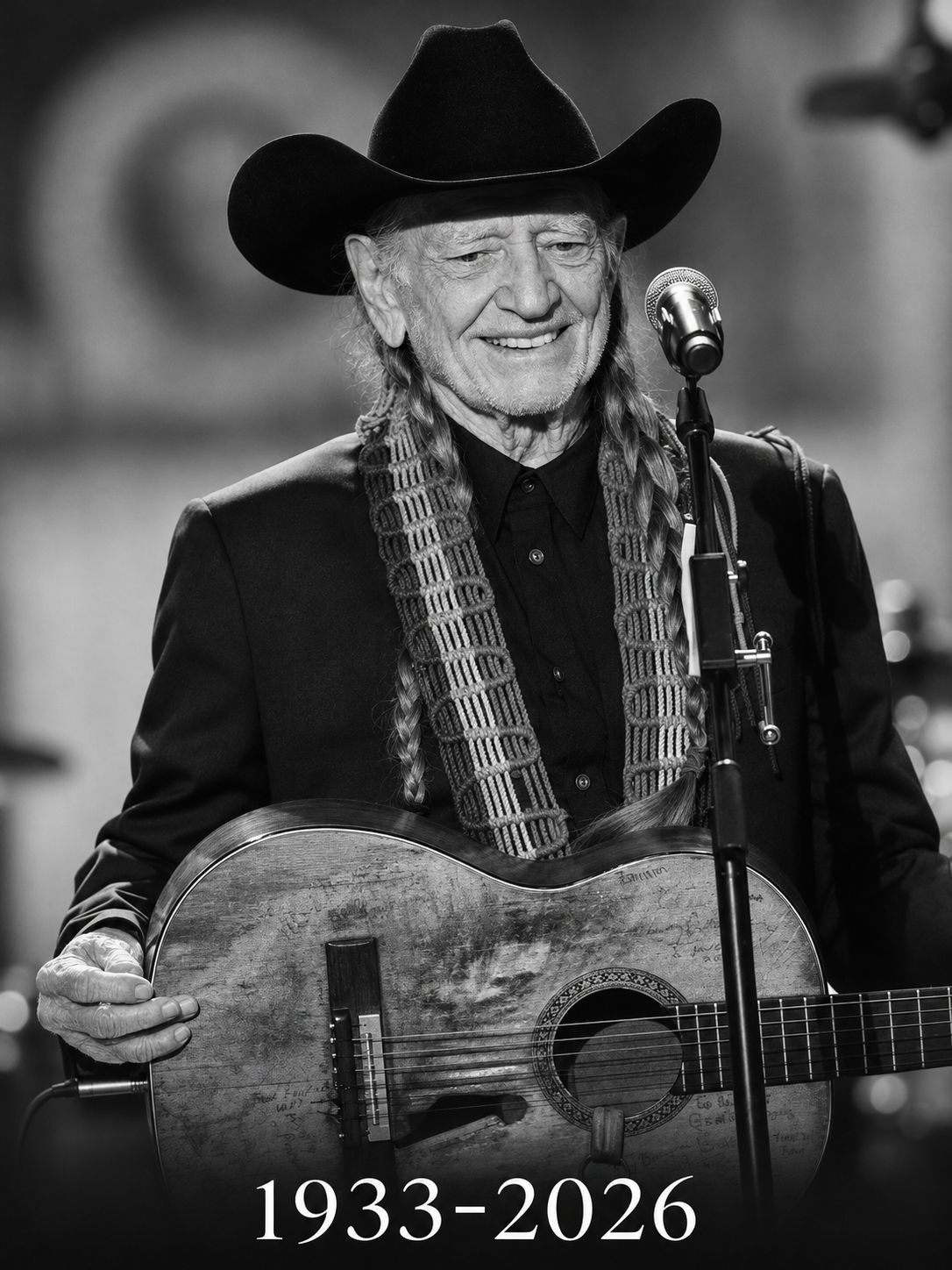
This is where Willie Nelson’s musical legacy becomes especially moving. His performances allow vulnerability and independence to occupy the same space. A person can acknowledge the years without losing curiosity. A voice can carry wear and still communicate delight. Reflection need not erase humor, and experience need not harden into bitterness.
For those who have kept his music close through changing seasons of their own lives, that may be the most rewarding introduction to this chapter of his artistry. Listen beyond the rumors and the dramatic predictions. Listen to the timing, the understatement, and the humanity within the performance. There is much to recognize there: the ache of remembering, the comfort of familiarity, and the quiet satisfaction of having another day in which to sing.