Introduction
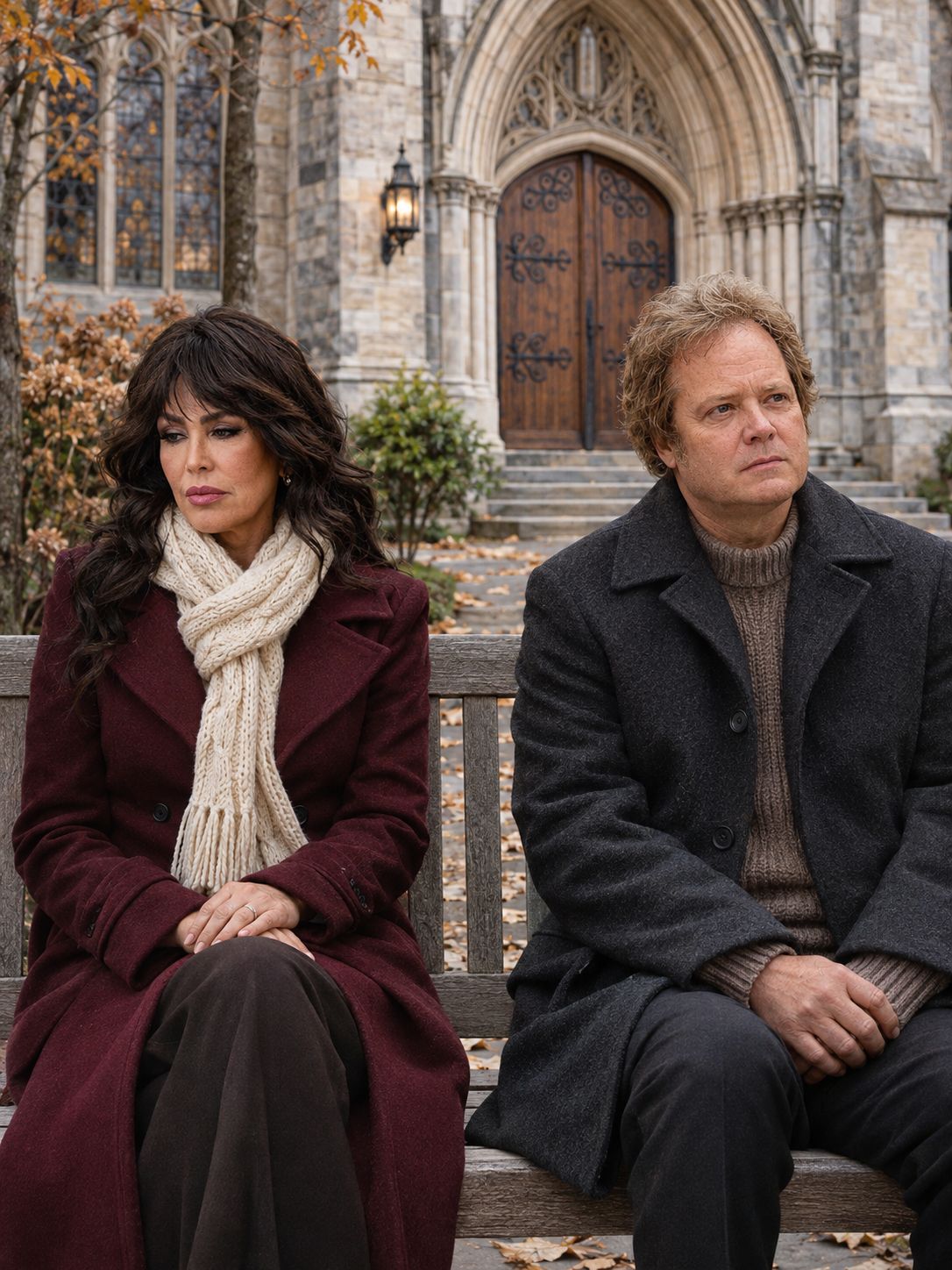
For generations of listeners, the Osmond name has carried the sound of harmony, the warmth of familiar television appearances, and memories of a time when music brought families together around the same screen. Yet behind those polished performances are brothers and a sister whose connection reaches far beyond applause. When Marie Osmond publicly expressed concern for her younger brother, Jimmy Osmond, her message reminded fans that even the most recognizable entertainment families face moments when everything becomes deeply personal.
The headline “At 66, Marie Osmond FINALLY Opens Up About Jimmy Osmond” suggests a recent revelation, but the available reporting does not establish a new interview or confession matching that description. There is also a date correction: born on October 13, 1959, Marie turned 67 in October 2026. What can be documented is her public support following Jimmy’s serious health crisis in December 2018—a moment that deserves to be remembered with care.
According to an official statement from Birmingham Hippodrome, Jimmy was taken to hospital after completing a performance of Peter Pan on December 27, 2018, and was diagnosed with a stroke. He had been appearing as Captain Hook, bringing his experience as an entertainer to a production that depended on energy, timing, and a lively connection with its audience. The announcement confirmed that he would take time away, while the theatre expressed affection for the performer who had won over audiences and staff alike.
Marie’s response was brief: “Prayers for my brother Jimmy.” Those five words, reported at the time, needed little explanation. Their emotional weight came from their simplicity. Here was a sister asking others to remember her brother during a frightening period, using the language of faith that many longtime Osmond admirers would immediately recognize.
For older listeners, that message may bring a particular kind of recognition. As the years pass, the people we once watched as youthful entertainers become part of our own understanding of time. Their familiar faces recall living rooms, family conversations, and songs heard during ordinary days that now seem precious. News of illness within such a family can therefore feel unexpectedly close, stirring memories of our own brothers, sisters, and the moments when their wellbeing became our greatest concern.
Viewed through a musical lens, the Osmond story also invites reflection on the difference between a performance and the relationships that sustain it. Audiences hear voices blending into a finished arrangement; they rarely see the years of shared experience behind that sound. Family music carries an additional resonance because listeners know those connections continue after the curtain falls. A short message of support can reveal another dimension of the warmth people have long associated with the name.
Jimmy Osmond’s place in those memories deserves to be considered beyond the circumstances of his illness. The theatre’s tribute to his work offers a meaningful reminder of his ability to connect with people through character, humor, and presence. Marie’s public words add something equally enduring: a glimpse of the affection surrounding the entertainer.
For those who grew up with the Osmonds, this is a story about family, faith, and the passing years. Its power rests in an ordinary human truth. However familiar a performer becomes to the public, to someone at home he remains a beloved younger brother—and sometimes a few sincere words convey that bond more clearly than any grand announcement.